
The growing dependence on websites for business operations, e-commerce, branding, and customer interaction has made online platforms the heart of digital success. Yet with this increasing reliance comes greater risks. Cybercriminals constantly look for weaknesses they can exploit, targeting businesses both big and small. The focus keyword “Free 25 Point Website Vulnerability Check” is not just a checklist—it is a comprehensive roadmap to safeguarding your website from hidden risks. By systematically examining your site against 25 critical security points, you can discover potential vulnerabilities before attackers do. This blog post explores in detail how a structured vulnerability check works, why it matters, and how it can help you strengthen your digital defense.
Introduction: Why Free 25 Point Website Vulnerability Check Matters
The internet is both a vast opportunity and a major threat for website owners. While it enables growth, connectivity, and new revenue streams, it also exposes businesses to hackers and malware. Every website, no matter its size or purpose, is a potential target. Some owners wrongly assume only large enterprises need robust cybersecurity, but research consistently shows that small and medium websites are even more at risk due to weaker defenses. A single breach can compromise sensitive customer data, disrupt operations, and damage reputation.
A Free 25 Point Website Vulnerability Check ensures that every critical aspect of your site is examined with precision. This includes software updates, plugin safety, SSL configurations, server security, password protection, database integrity, and malware detection. By analyzing 25 vital checkpoints, you receive a clear picture of where your site is strong and where it’s weak. This empowers you to act before attackers exploit your system.
This is where platforms like FixHackedSite step in to help. By providing a detailed and structured vulnerability analysis, they give business owners actionable insights to secure their websites. Whether you run an e-commerce store, a personal blog, or a corporate portal, this free check is an invaluable tool in ensuring long-term protection and building trust with your audience.
Understanding Website Vulnerabilities in the Digital Age
A website vulnerability is essentially a weak point in your online structure that hackers can exploit. These weaknesses can exist in multiple forms—coding errors, outdated software, insecure plugins, misconfigured servers, or even user-side mistakes. In the past, cybercriminals primarily focused on large corporations, but today automated tools scan millions of websites, looking for any vulnerable target regardless of its size.
The modern digital age has made vulnerabilities more dangerous than ever. Cybercriminals no longer rely only on manual attacks; they use sophisticated bots and AI-driven methods to identify and exploit weaknesses instantly. Even something as small as a forgotten update or an unused plugin can open the door to major breaches. Websites that do not actively monitor vulnerabilities are sitting targets for malicious activities like malware injection, phishing attacks, or data theft.
A Free 25 Point Website Vulnerability Check provides website owners with clarity and control. Instead of waiting for an attack to highlight weaknesses, the check actively identifies flaws across multiple layers of your website. From code analysis to SSL verification, it offers a holistic view of your security posture. Understanding these vulnerabilities is the first step toward building a resilient defense in an environment where cyber threats are constantly evolving.
Importance of Performing Regular Vulnerability Checks
Cyber threats are not static—they evolve rapidly. What was considered secure yesterday might already be outdated today. Performing vulnerability checks on a regular basis is critical to staying ahead of hackers. Without consistent checks, your website may unknowingly remain exposed, allowing cybercriminals to exploit overlooked gaps.
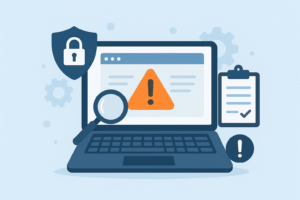 A Free 25 Point Website Vulnerability Check acts like a digital health check-up. Just as individuals benefit from regular medical exams to prevent serious illnesses, websites require consistent evaluations to identify issues before they escalate. Regular checks highlight outdated plugins, misconfigured servers, weak authentication systems, and potential malware infections, allowing you to address them before damage occurs.
Beyond security, regular checks also help maintain compliance with data protection regulations such as GDPR, HIPAA, or PCI DSS. These standards require secure handling of sensitive information, and non-compliance can lead to hefty fines and loss of customer trust. By conducting frequent vulnerability scans, you not only safeguard your business but also demonstrate to customers and regulators that you prioritize security.
Benefits of a Free 25 Point Website Vulnerability Check
The advantages of performing a Free 25 Point Website Vulnerability Check extend far beyond simply identifying risks. One of the primary benefits is early detection. By spotting vulnerabilities before attackers exploit them, you prevent potential financial losses, legal issues, and reputation damage. Early intervention is always less costly than dealing with the aftermath of a breach.
Another important benefit is improved website performance. Vulnerabilities such as malware or poorly configured servers can slow down your site. A detailed 25-point check identifies these performance-draining issues, allowing you to enhance both security and speed. A faster, more secure website improves user experience and can even positively impact search engine rankings.
Finally, regular vulnerability checks build customer trust. When visitors know that your site undergoes structured checks to keep it safe, they are more likely to engage, purchase, or share personal information. In today’s competitive digital space, demonstrating security commitment can set you apart and give you an edge in retaining loyal customers.
How Hackers Exploit Website Weaknesses
Hackers exploit vulnerabilities through various techniques, many of which are automated. These include SQL injections, cross-site scripting, brute-force attacks, and malware injections. Automated bots scan the internet 24/7, looking for weaknesses such as outdated plugins, weak login systems, or exposed directories. Once they find an opening, they launch attacks to steal data, disrupt services, or spread malicious software.
For example, a poorly sanitized input field can allow SQL injection, enabling hackers to access or manipulate sensitive databases. Similarly, cross-site scripting (XSS) vulnerabilities let attackers inject malicious scripts into webpages, often targeting users directly by stealing session cookies or redirecting them to phishing pages. Even a simple misconfiguration can lead to unauthorized access or complete site compromise.
A Free 25 Point Website Vulnerability Check identifies these common weak spots before hackers do. It inspects everything from code vulnerabilities and server setups to user authentication systems. By closing these loopholes early, you make it significantly harder for attackers to gain entry, reducing the chances of a successful breach.
The Role of SSL Certificates in Website Security
SSL certificates are one of the cornerstones of website security. They encrypt communication between a user’s browser and your website, ensuring that sensitive information like passwords and payment details cannot be intercepted. Without SSL, data is transmitted in plain text, making it easy for attackers to capture and misuse it.
Beyond protecting data, SSL certificates play an important role in building trust. Modern browsers now display a warning for websites that lack SSL, marking them as “Not Secure.” This instantly discourages visitors from interacting with such sites, which can result in lost traffic and conversions. SSL also improves SEO rankings, as search engines favor HTTPS-enabled websites.
A Free 25 Point Website Vulnerability Check reviews your SSL setup to confirm it is correctly configured and up to date. It checks for expired certificates, weak encryption standards, and misconfigurations that may still expose your site to risks. With proper SSL implementation, your website not only remains secure but also gains credibility with both users and search engines.
Detecting Malware Infections Through Vulnerability Checks
Malware infections are one of the most common yet hidden dangers websites face. Hackers often insert malicious code into a site’s files or database to steal data, hijack traffic, or spread infections to visitors. These infections can go undetected for months, silently damaging your website’s reputation and performance.
Detecting malware manually is extremely challenging, as it is often disguised within normal files. Some malware even regenerates after removal, making it persistent and dangerous. Left unchecked, it can get your website blacklisted by search engines, flagged by browsers, and distrusted by visitors.
A Free 25 Point Website Vulnerability Check scans for suspicious files, scripts, and database entries that may signal a malware infection. By identifying malicious code early, you can clean your website before it causes widespread harm. Regular checks ensure that your site remains trustworthy, preventing attackers from using it as a launchpad for further attacks.
Importance of Updating Plugins and CMS Platforms
Outdated plugins and CMS platforms are among the biggest causes of website breaches. Developers regularly release updates to fix bugs, patch vulnerabilities, and improve performance. However, when website owners ignore these updates, they leave their sites exposed to known exploits.
Hackers actively scan for outdated software versions, as they provide an easy gateway into websites. Even a minor plugin can be exploited to inject malicious scripts, steal customer data, or deface the site. Studies reveal that outdated components are responsible for a large portion of website compromises.
The Free 25 Point Website Vulnerability Check evaluates the status of your CMS, plugins, and themes. It highlights outdated or unsupported components, reminding you to update them immediately. By staying current with updates, you close known vulnerabilities and greatly reduce the risk of cyberattacks.
Server Misconfigurations: A Hidden Security Threat
Server misconfigurations are often overlooked but can have catastrophic consequences. These misconfigurations include improper file permissions, exposed directories, default passwords, or outdated server software. They often occur due to human error or lack of awareness and can be exploited to gain unauthorized access.
Hackers use automated tools to scan for misconfigured servers. Once discovered, they can exploit open ports, weak settings, or accessible files to steal information or compromise the entire system. Even a small misconfiguration can lead to devastating outcomes like ransomware attacks or full database breaches.
A Free 25 Point Website Vulnerability Check examines server configurations in detail. It ensures that permissions are correctly set, unnecessary services are disabled, and critical security protocols are enforced. By tightening server settings, you close hidden entry points that hackers often exploit.
Cross-Site Scripting (XSS) and Its Impact
Cross-Site Scripting (XSS) is one of the most common vulnerabilities affecting modern websites. It allows attackers to inject malicious scripts into your web pages, which are then executed in the browsers of unsuspecting visitors. Through XSS, hackers can steal cookies, hijack user sessions, and redirect traffic to malicious sites.
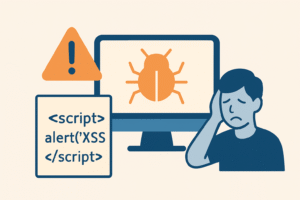 XSS attacks exploit the trust users place in your website. A visitor assumes they are interacting with a legitimate platform, but hidden malicious scripts compromise their experience and data. This not only endangers your users but also tarnishes your brand reputation, as people quickly lose trust in websites that expose them to security risks.
The Free 25 Point Website Vulnerability Check actively tests your site for XSS weaknesses. By identifying vulnerable input fields, poorly sanitized data, and insecure scripts, it enables you to take corrective action before hackers exploit them. Preventing XSS is critical for protecting your users and maintaining your website’s credibility.
The Role of SSL Certificates in Website Security
An SSL certificate is one of the most fundamental security measures every website must have. It encrypts the communication between your server and your visitors, ensuring sensitive data such as login credentials, payment information, and personal details remain secure from interception. Without SSL, attackers can easily perform “man-in-the-middle” attacks, intercepting and manipulating data exchanged between a user and a website. The Free 25 Point Website Vulnerability Check evaluates whether your website has a properly configured SSL certificate, as its absence is often one of the first warning signs for both users and search engines.
From an SEO perspective, SSL has become a mandatory ranking factor. Search engines like Google label non-SSL sites as “Not Secure,” immediately discouraging users from engaging with them. This not only decreases trust but also drives away traffic, reducing your ability to grow your online presence. Customers are highly sensitive about security, and seeing a “Not Secure” warning can instantly deter them from proceeding with a purchase or sharing personal details. By ensuring SSL implementation is included in the Free 25 Point Website Vulnerability Check, you guarantee that your website meets the baseline standard of online safety.
Beyond just basic encryption, SSL also plays a role in overall brand credibility. Many users today recognize the padlock symbol next to a web address as a sign of legitimacy. This simple yet powerful indicator reassures them that your business values their safety. By integrating SSL verification within the Free 25 Point Website Vulnerability Check, you establish not only technical security but also psychological trust, bridging the gap between security protocols and user perception.
Detecting Malware Through Vulnerability Checks
Malware infections are among the most common threats websites face today, often resulting from outdated plugins, vulnerable scripts, or weak server configurations. A Free 25 Point Website Vulnerability Check actively scans for suspicious files, unauthorized changes in your code, and hidden scripts that could be used to steal data or redirect visitors to malicious sites. Identifying these threats early ensures that they are removed before they can cause damage or spread further.
The consequences of malware can be devastating. Search engines may blacklist your website, warning visitors against accessing it, which can lead to massive drops in traffic and revenue. Additionally, malware infections erode trust as customers feel unsafe engaging with your website. Many businesses that fall victim to malware attacks struggle to recover their reputation even after resolving the issue. By running a Free 25 Point Website Vulnerability Check, you proactively detect malware before it escalates into a major crisis.
Furthermore, malware often operates silently, making it difficult for untrained eyes to notice. Hackers design malicious code to blend into normal website functions, only surfacing when the damage is significant. With a comprehensive vulnerability check, these hidden infections are revealed in real-time, allowing for quick remediation. This proactive measure not only restores security but also ensures the continuity of your business operations, protecting both you and your customers.
The Connection Between Website Speed and Security
Many people assume speed and security are unrelated, but the truth is they are tightly connected. A slow website is often a sign of deeper security problems, such as overloaded servers caused by brute force attacks, hidden malware running scripts in the background, or insecure coding practices. The Free 25 Point Website Vulnerability Check helps identify such issues by analyzing both security and performance metrics, ensuring that your website operates at optimal speed without compromising safety.
When your site is compromised, it frequently experiences reduced performance. For example, injected malicious scripts can consume server resources, leading to slower page load times. This directly impacts user experience and conversion rates since modern customers expect websites to load within seconds. A secure and optimized site not only prevents breaches but also enhances usability, which in turn drives higher engagement. The Free 25 Point Website Vulnerability Check ensures that hidden vulnerabilities affecting speed are detected and resolved promptly.
Another key aspect is that search engines prioritize fast, secure websites in their rankings. If vulnerabilities slow your site down, your SEO efforts suffer as a result. Customers also lose patience with sluggish sites, leading to higher bounce rates. By addressing these concerns through a vulnerability check, you strengthen both security and performance, creating a seamless digital experience for your users while safeguarding their data.
Importance of Regular Updates and Patch Management
One of the primary causes of website vulnerabilities is outdated software. Whether it’s your CMS, plugins, themes, or server software, outdated systems are easy targets for hackers who exploit known security gaps. A Free 25 Point Website Vulnerability Check evaluates whether your site is running on outdated versions and highlights areas that require immediate updates or patches. This ensures that your website benefits from the latest security enhancements provided by developers.
Failing to apply updates leaves your site exposed to known exploits. Hackers often scan the internet specifically looking for websites with outdated software versions. Once found, they can easily use automated tools to break in, inject malware, or steal sensitive information. Regular patch management reduces this risk significantly, but many businesses overlook updates because they fear downtime or compatibility issues. The Free 25 Point Website Vulnerability Check addresses this by pointing out critical updates while allowing you to schedule maintenance effectively.
Beyond security, updates often come with performance improvements, bug fixes, and new features that enhance user experience. By staying on top of updates, you not only secure your digital assets but also maintain a more reliable and efficient website. Regular checks provide the roadmap you need to ensure nothing is left outdated, keeping your business one step ahead of cyber threats.
Human Error as a Website Vulnerability Factor
Technology is not always the weakest link in website security—humans are. Mistakes such as weak passwords, accidental data exposure, and misconfigured settings can leave even the most advanced systems vulnerable. A Free 25 Point Website Vulnerability Check helps highlight common human-related security issues, reminding administrators of areas where better practices need to be enforced. For example, it may reveal accounts using default passwords or permissions that grant excessive access.
Human error often goes unnoticed because it doesn’t involve complex hacks or malicious code. Something as simple as uploading sensitive files to a public directory can expose an entire organization. Cybercriminals exploit these oversights because they are easier to target than advanced defenses. The Free 25 Point Website Vulnerability Check acts as a safeguard against such lapses, ensuring administrators and staff are alerted to weak practices that could lead to bigger problems.
Training and awareness programs are essential to complement technical checks. By combining regular security training for staff with automated vulnerability scans, businesses create a holistic defense system. This balance ensures that human error is minimized, while technical tools continue to monitor for threats, creating an environment where both people and systems work together to keep data secure.
The Future of Website Vulnerability Checks
As technology evolves, so do cyber threats. Future websites will need more advanced security measures to stay protected, and automated scans will become even more critical. The Free 25 Point Website Vulnerability Check provides a glimpse into how these practices are evolving, showing how artificial intelligence and machine learning can be integrated into security analysis for faster and more accurate detection of threats.
Emerging threats such as AI-powered hacking tools, automated botnets, and deepfake phishing attempts require equally advanced defense systems. Vulnerability checks of the future will go beyond basic scans, offering predictive analytics to identify not just existing threats but potential future risks. By embracing proactive monitoring today, businesses position themselves to stay ahead of these evolving dangers. The Free 25 Point Website Vulnerability Check represents the starting point of this transition into smarter, AI-driven security solutions.
In addition, as regulatory environments grow stricter, regular vulnerability checks will not just be recommended—they will become mandatory. Organizations will be required to demonstrate compliance with international standards, and automated vulnerability reporting will be key to meeting these demands. By implementing free checks now, businesses prepare themselves for the stricter requirements of tomorrow while safeguarding their websites today.
Why Small Businesses Need Free Website Vulnerability Checks
Small businesses are often under the false impression that hackers only target large corporations. In reality, small businesses are prime targets because they typically have weaker defenses. A Free 25 Point Website Vulnerability Check provides smaller organizations with enterprise-level security insights without the cost, making it a crucial tool for survival in today’s digital ecosystem.
 For small business owners, a single breach can result in financial collapse. Without the resources of large companies, recovery from such attacks is often impossible. Hackers understand this and deliberately focus on smaller targets. By offering free vulnerability checks, small businesses can identify weaknesses, patch them, and protect themselves from devastating losses. This makes security checks not a luxury but a necessity.
Additionally, small businesses often depend heavily on customer trust. A compromised website can instantly ruin that trust, driving loyal customers away. Running a Free 25 Point Website Vulnerability Check reassures both owners and clients that security is being taken seriously. For businesses competing in saturated markets, this assurance can be a key differentiator, allowing them to build stronger reputations while avoiding common pitfalls.
Integrating Vulnerability Checks into Your Security Routine
Performing a vulnerability check once is not enough. Cybersecurity must be an ongoing process, integrated into your overall security routine. A Free 25 Point Website Vulnerability Check should be run regularly, ideally after every major update, new plugin installation, or system change. This ensures that new vulnerabilities are detected immediately rather than after an attack occurs.
Establishing a routine allows businesses to track their progress over time. With repeated checks, you can measure improvements in your security posture and identify recurring weaknesses that need long-term solutions. This creates a culture of proactive defense, where security is not an afterthought but a core part of daily operations. A consistent routine reduces the chances of being caught off guard by an attack.
Integration also involves combining free checks with other security measures, such as firewalls, intrusion detection systems, and employee training. By layering defenses, businesses ensure that even if one system fails, others are ready to mitigate the impact. Vulnerability checks are the backbone of this layered defense strategy, providing the visibility needed to make informed security decisions.
Conclusion: The Long-Term Benefits of Free 25 Point Website Vulnerability Check
In conclusion, the Free 25 Point Website Vulnerability Check is more than just a quick security scan—it is a comprehensive tool that protects businesses from evolving cyber threats. By identifying weaknesses early, improving SEO, ensuring compliance, and building customer trust, these checks provide both immediate and long-term benefits. They empower businesses of all sizes to take control of their digital safety without incurring heavy expenses.
For business owners, neglecting security is no longer an option. The risks are too high, and the consequences too severe. Investing in regular vulnerability checks ensures that your website remains secure, fast, and reliable, safeguarding not just your digital assets but also your reputation. Customers today demand secure interactions, and providing them with that assurance translates into stronger loyalty and higher growth potential.
At FixHackedSite, we understand the critical importance of vulnerability checks and encourage every website owner to take advantage of free solutions available today. By embracing the Free 25 Point Website Vulnerability Check, you are not just defending against cybercriminals—you are building a resilient foundation for the future of your online business. Prevention, protection, and peace of mind all begin with this essential step.