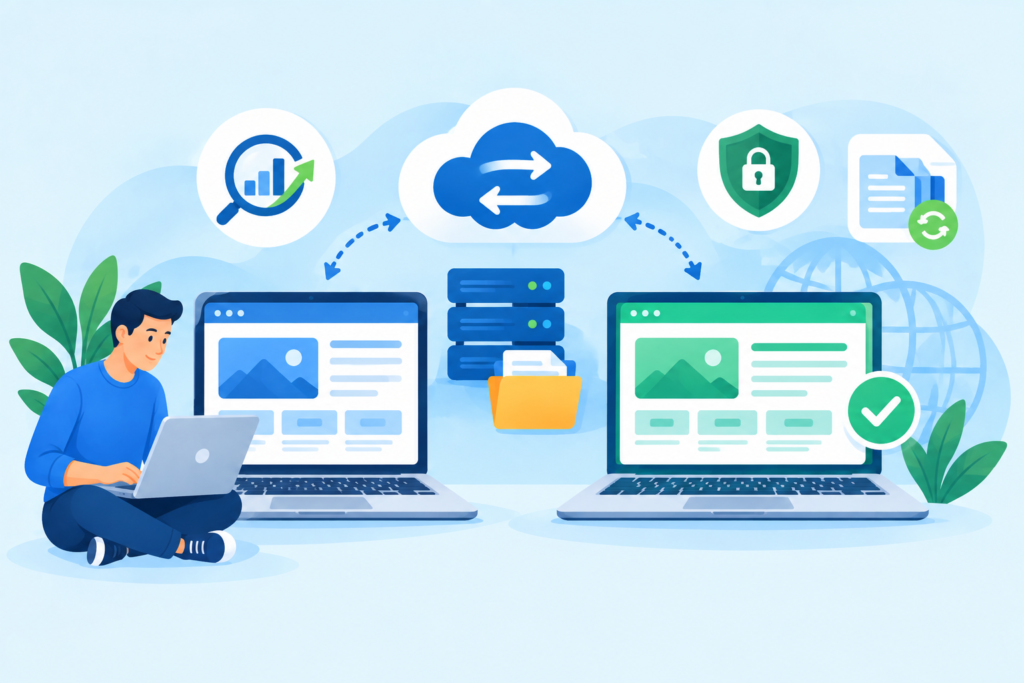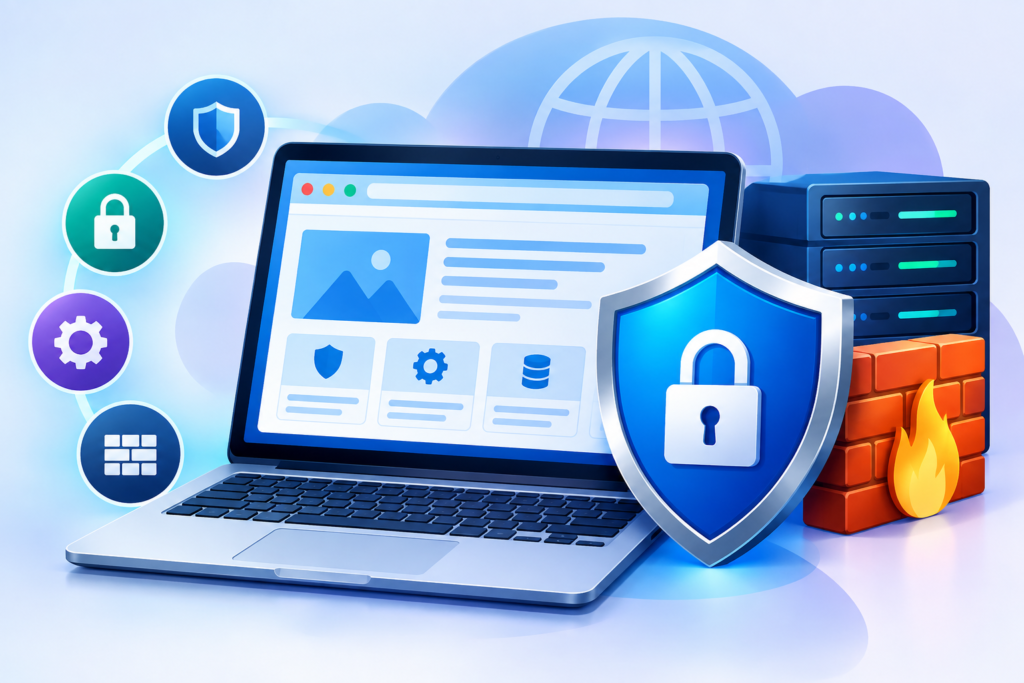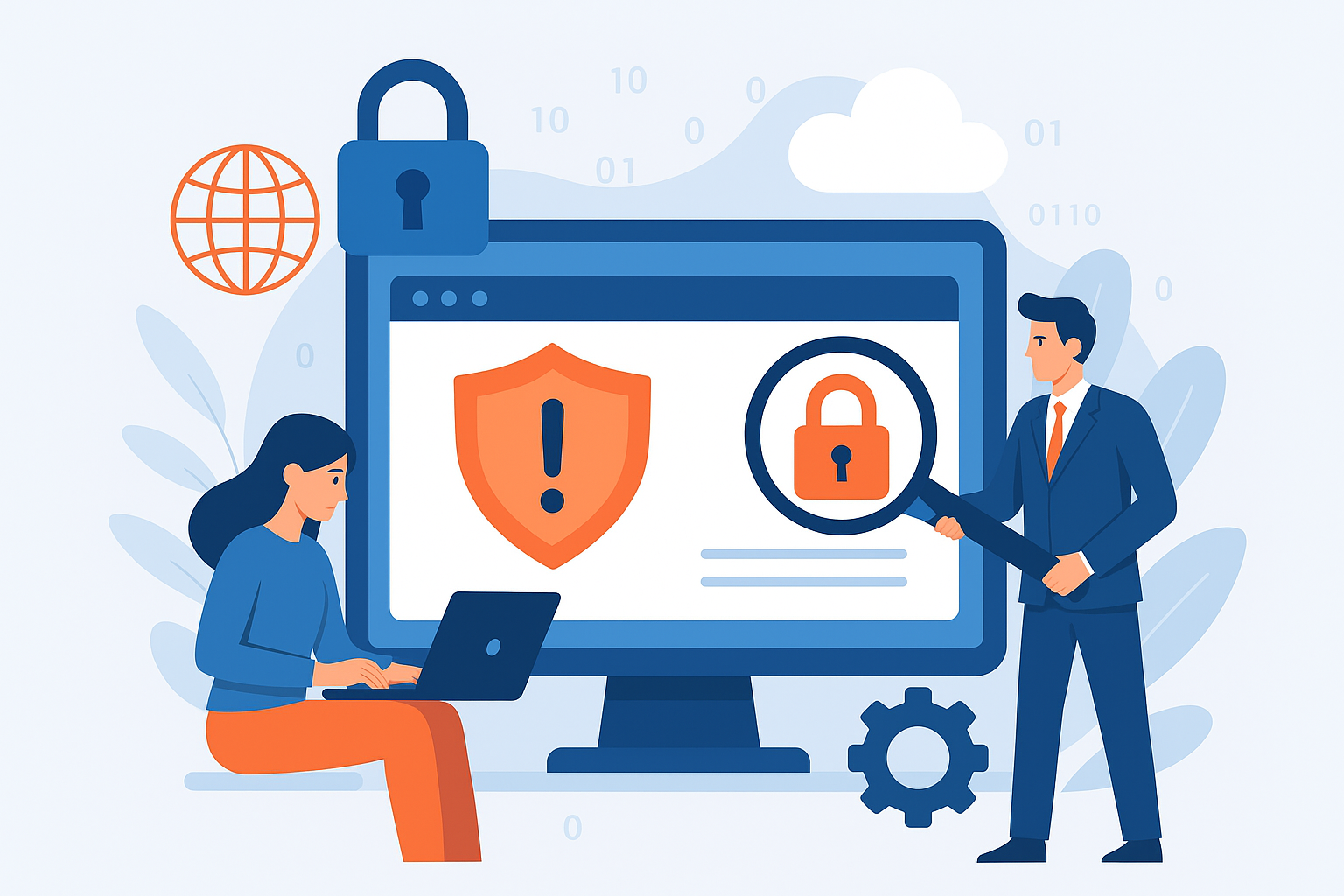
A Website Vulnerability Check is a comprehensive process of identifying, analyzing, and resolving weaknesses that could compromise the security of a digital platform. In today’s interconnected world, businesses rely heavily on websites not just for visibility, but also for customer engagement, data management, and revenue generation. Unfortunately, cybercriminals constantly look for loopholes in web applications, plugins, databases, and hosting environments to exploit. Performing regular vulnerability assessments ensures that sensitive data, customer trust, and operational continuity are protected against malicious activities such as malware injections, brute-force attacks, phishing campaigns, and SQL injections. By investing in a professional Website Vulnerability Check, organizations can proactively safeguard their online presence and significantly reduce the risk of devastating cyberattacks.
Introduction to Website Vulnerability Check
In the digital era, no business can afford to ignore the importance of securing its website. A Website Vulnerability Check is not just a technical routine but a critical security measure that helps identify flaws before hackers can exploit them. This process involves testing the website’s structure, code, and server configuration to uncover weak spots that may compromise its safety. It is designed to simulate real-world hacking attempts in order to evaluate whether the existing security mechanisms are sufficient. By doing so, businesses can gain valuable insights into potential risks and adopt immediate corrective measures.
For businesses of all sizes, ranging from startups to established enterprises, vulnerability checks provide a line of defense against the evolving landscape of cyber threats. Hackers continuously adapt their techniques, using advanced tools and strategies to bypass security systems. Without a proactive approach, websites can quickly fall victim to data theft, unauthorized access, or complete shutdown. A thorough vulnerability analysis ensures that no hidden weakness goes unnoticed, thereby creating a more resilient digital environment.
At FixHackedSite, our commitment is to help businesses identify vulnerabilities early, implement strong protective measures, and maintain a secure online experience. A vulnerability check is not a one-time task but an ongoing practice that should be integrated into every website maintenance plan. By doing so, businesses not only protect their data but also reinforce trust with their customers and maintain compliance with regulatory standards.
Why Website Security Matters in Today’s Digital Age
The significance of website security cannot be overstated in an age where businesses, governments, and individuals rely on the internet for virtually every aspect of communication and commerce. A single cyberattack can result in severe reputational damage, financial losses, and legal complications. Hackers today target not only large corporations but also small and medium-sized enterprises, knowing that they often lack the resources or knowledge to secure their websites effectively. This makes website security a universal requirement across all industries and business sizes.
A Website Vulnerability Check plays a vital role in this context because it provides a detailed assessment of the security infrastructure in place. It identifies weak points such as outdated software, poor coding practices, and weak authentication protocols that can be exploited by attackers. By addressing these vulnerabilities in a timely manner, businesses can reduce the chances of unauthorized access, malware infections, and data breaches. The impact of failing to secure a website extends beyond immediate losses, as it can also erode customer trust and negatively affect search engine rankings.
In today’s fast-moving digital landscape, regulatory authorities also impose strict requirements on businesses to safeguard user data. Failure to comply with data protection laws such as GDPR or CCPA can result in heavy fines and legal repercussions. Regular vulnerability checks not only ensure compliance but also demonstrate a business’s commitment to protecting its customers. This proactive measure reflects positively on brand reputation and helps build long-term relationships with clients who prioritize security and privacy in their interactions.
Understanding the Concept of Vulnerability in Websites
To grasp the importance of a Website Vulnerability Check, it is essential to first understand what vulnerabilities in websites actually are. A vulnerability is essentially a flaw or weakness in the code, design, or configuration of a website that can be exploited by hackers to gain unauthorized access or cause damage. These flaws can exist at different levels, including server settings, content management systems, third-party plugins, or even user authentication processes. Once a vulnerability is identified by cybercriminals, it can be used to steal sensitive data, modify website content, or even take control of the entire site.
 One common type of vulnerability is the use of outdated software or plugins that no longer receive security updates. This creates an open door for hackers who are familiar with the weaknesses of older versions. Similarly, improper coding practices may inadvertently create opportunities for SQL injections or cross-site scripting attacks. Vulnerabilities can also stem from poor password management or misconfigured firewalls that fail to block malicious traffic effectively. In short, vulnerabilities are any gaps in a website’s defense system that attackers can exploit to their advantage.
The identification and mitigation of these vulnerabilities are at the heart of any effective security strategy. By conducting a Website Vulnerability Check, businesses can ensure that every component of their website, from the front-end design to the back-end server, is thoroughly examined. This allows for timely patching of weaknesses before they are discovered and exploited by malicious actors. With this knowledge, organizations can adopt best practices, strengthen their infrastructure, and maintain a robust online presence.
Common Threats Exploiting Website Vulnerabilities
Websites today are exposed to an array of threats that target their vulnerabilities, and understanding these risks is critical for implementing effective security measures. Among the most prevalent threats are malware infections, which are designed to infiltrate a website and either disrupt its functionality or steal sensitive data. Malware can be introduced through compromised plugins, malicious code injections, or infected files uploaded to the server. Once inside, malware can spread rapidly, causing extensive damage not just to the website but also to its users.
Another major threat comes in the form of SQL injections and cross-site scripting (XSS). These attacks exploit weaknesses in website coding to gain unauthorized access to databases or manipulate website content. For example, an attacker may use SQL injections to extract user information such as usernames, passwords, or credit card details. XSS attacks, on the other hand, allow hackers to insert malicious scripts into web pages that unsuspecting users interact with, thereby compromising their devices or stealing their personal information.
Additionally, websites are frequently targeted by brute-force attacks, where hackers use automated tools to guess login credentials. If weak or reused passwords are in place, such attacks can quickly result in unauthorized access to the admin panel. Other risks include distributed denial-of-service (DDoS) attacks, phishing schemes, and session hijacking. Each of these threats leverages existing vulnerabilities, making it clear why regular vulnerability checks are necessary. By recognizing these dangers, businesses can implement stronger protections and stay one step ahead of cybercriminals.
The Importance of Regular Website Vulnerability Assessments
Carrying out a Website Vulnerability Check once is not enough because cyber threats evolve at an alarming pace. Hackers are constantly inventing new techniques to bypass security systems, and what was secure today may become vulnerable tomorrow. Regular assessments allow businesses to stay updated with the latest security threats and ensure that their defenses remain robust over time. Without continuous monitoring and periodic testing, vulnerabilities that creep in due to software updates, new integrations, or system misconfigurations may go unnoticed until it’s too late.
Regular vulnerability assessments also provide insights into the changing security landscape of a website. As companies grow and expand their digital footprint, new functionalities such as online payment gateways, third-party APIs, and user authentication systems are added. Each of these new elements may introduce unforeseen weaknesses if not properly secured. By conducting scheduled assessments, businesses can evaluate whether these new features are aligned with industry best practices and ensure they are not creating additional entry points for hackers.
Moreover, consistent vulnerability checks help businesses demonstrate compliance with industry regulations and data protection laws. Authorities such as GDPR, PCI DSS, and HIPAA mandate that organizations safeguard customer data through regular monitoring and testing. Non-compliance can result in severe fines and reputational damage. A proactive approach with ongoing assessments not only mitigates risks but also builds trust with customers who value security and privacy. Ultimately, regular website vulnerability checks act as both a shield and a reassurance that a business is committed to protecting its digital presence.
How Hackers Identify Weak Points in a Website
To appreciate the necessity of a Website Vulnerability Check, it is important to understand how hackers locate and exploit weaknesses. Cybercriminals often use automated scanning tools that systematically search websites for common vulnerabilities such as open ports, outdated software versions, or poorly secured login pages. These tools can crawl thousands of websites in minutes, highlighting potential entry points for exploitation. Once a vulnerability is identified, attackers then strategize the most effective way to penetrate the system.
Another method hackers use is targeted manual testing, where they deliberately study the structure and coding of a specific website. This approach requires technical expertise, as attackers analyze error messages, server responses, and code logic to uncover flaws. For instance, improperly sanitized input fields can reveal whether a site is vulnerable to SQL injection or XSS attacks. Hackers also examine third-party integrations, as these are often less secure and easier to exploit than the core website system itself.
Social engineering remains another tactic that complements technical probing. In this case, attackers manipulate human behavior to gain access to sensitive information, often by tricking employees into revealing login credentials or clicking malicious links. These combined techniques illustrate the diverse strategies hackers employ. A vulnerability check essentially replicates these methods in a controlled manner, identifying and closing weak points before cybercriminals can take advantage of them. This proactive approach helps businesses stay ahead of attackers by seeing their website from the same perspective a hacker would.
Key Components of a Website Vulnerability Check
A thorough Website Vulnerability Check is not a single action but rather a series of evaluations that cover every layer of a website’s infrastructure. One of the primary components involves scanning for outdated software and plugins. Many websites run on content management systems such as WordPress, Joomla, or Drupal, which depend heavily on third-party extensions. When these extensions are not updated regularly, they become gateways for cyberattacks. Detecting and updating outdated software is therefore one of the first steps in a vulnerability assessment.
Another critical component is testing authentication and access control mechanisms. Weak passwords, insufficient encryption, or poorly configured login portals create opportunities for brute-force attacks and unauthorized access. Vulnerability checks often include simulating login attempts with various password combinations to determine whether the system is resilient enough to withstand attacks. Similarly, role-based access controls are evaluated to ensure that sensitive data and administrative functions are not exposed to unauthorized users.
Finally, a vulnerability check examines the overall configuration of the hosting environment and network security. Misconfigured firewalls, exposed ports, or unsecured databases can severely compromise a website’s defenses. Security scanning tools analyze the communication between servers and clients to detect flaws in SSL/TLS certificates and encryption protocols. This holistic evaluation ensures that every layer of the website, from the application level to the server infrastructure, is secure and resilient against threats. Each of these components works together to provide a clear picture of a website’s security posture.
Manual vs. Automated Vulnerability Testing
When it comes to conducting a Website Vulnerability Check, businesses often face the choice between manual and automated testing methods. Automated testing uses specialized tools and software to quickly scan a website for known vulnerabilities. This approach is highly efficient for identifying common weaknesses such as outdated plugins, misconfigured servers, or weak authentication systems. Automated tools can cover a large number of tests in a short period, making them ideal for organizations that require frequent scans. However, automated testing may not always detect more complex vulnerabilities that require deeper analysis.
Manual testing, on the other hand, involves cybersecurity experts meticulously examining a website’s structure, code, and logic. Unlike automated tools, manual testing allows for creativity and adaptability, enabling experts to simulate real-world hacking attempts more effectively. For instance, penetration testing is a manual approach where ethical hackers actively try to exploit vulnerabilities to determine the extent of damage an attacker could cause. This method provides detailed insights into security flaws that automated tools might miss, especially those related to human error or unique system configurations.
A balanced approach that combines both manual and automated testing is often the most effective. Automated tools provide speed and efficiency, while manual testing adds depth and precision. Together, they ensure a comprehensive analysis of the website’s vulnerabilities. Businesses that adopt this hybrid model benefit from broad coverage of potential weaknesses as well as expert insights into complex risks. This combination strengthens security measures and enhances the overall reliability of vulnerability assessments.
Benefits of Performing Regular Vulnerability Checks
Carrying out consistent Website Vulnerability Checks provides businesses with numerous benefits that go beyond simply preventing cyberattacks. One of the most immediate advantages is the protection of sensitive information. Websites often store data such as customer details, payment information, and business records, all of which can be prime targets for hackers. By identifying and resolving weaknesses early, organizations significantly reduce the risk of unauthorized access and data theft. This proactive approach minimizes the financial and reputational consequences that often follow a breach.
Another crucial benefit is the enhancement of overall website performance and reliability. Vulnerabilities are not always limited to security flaws; sometimes, they overlap with technical inefficiencies. For instance, outdated software may not only create security gaps but also slow down website operations. Through regular checks, businesses can identify these inefficiencies, apply updates, and streamline website performance. This results in a smoother user experience, which directly contributes to customer satisfaction and loyalty.
Lastly, regular vulnerability assessments foster customer trust and improve brand reputation. In today’s digital economy, users are more conscious than ever about data privacy and online security. Businesses that demonstrate a commitment to protecting their customers’ information stand out as trustworthy entities. Publicizing that a website undergoes regular security checks builds confidence among users and can serve as a competitive advantage. Essentially, vulnerability checks are not just about reducing risks—they also create opportunities for stronger customer relationships and long-term growth.
The Role of Penetration Testing in Vulnerability Checks
Among the many techniques used in a Website Vulnerability Check, penetration testing holds a central role. Penetration testing, often called “ethical hacking,” involves simulating real-world cyberattacks to assess how well a website’s defenses hold up. Unlike basic vulnerability scans, which simply identify weaknesses, penetration testing actively exploits those weaknesses to reveal the extent of potential damage. This approach provides businesses with a clear understanding of how attackers could infiltrate their systems and what measures need to be taken to prevent it.
The process of penetration testing is carried out by skilled security experts who use both manual and automated methods to uncover flaws. They attempt to bypass firewalls, exploit coding errors, and test login systems with brute-force techniques. In doing so, they mimic the tactics of malicious hackers but in a controlled and safe environment. The results often include detailed reports highlighting exploited vulnerabilities, areas of high risk, and actionable recommendations to strengthen defenses. This makes penetration testing an invaluable tool in any comprehensive vulnerability assessment.
What makes penetration testing particularly valuable is its ability to address not just technical flaws but also human and procedural weaknesses. For example, a test might reveal that employees are easily tricked into giving away login credentials through phishing attempts. This broader perspective enables businesses to implement not just technical patches but also awareness training and improved protocols. By integrating penetration testing into regular vulnerability checks, organizations gain deeper insights into their security posture and ensure that their defenses are tested against real-world scenarios.
Tools and Software for Website Vulnerability Scanning
A successful Website Vulnerability Check relies heavily on specialized tools and software designed to detect weaknesses. Automated vulnerability scanners such as Nessus, OpenVAS, Burp Suite, and Acunetix are widely used across industries. These tools can quickly analyze websites for outdated plugins, misconfigured servers, weak encryption, and potential entry points. Their efficiency makes them essential for businesses that need frequent scans to keep up with evolving threats. Most scanners also generate detailed reports that help organizations prioritize vulnerabilities based on their severity.
 However, tools alone cannot guarantee complete security. Each scanning software has its limitations, often relying on databases of known vulnerabilities. While these tools excel at identifying common flaws, they may not detect newly emerging threats or complex issues unique to a particular website. That is why many cybersecurity professionals combine multiple scanners to cross-verify results and ensure broader coverage. Using different tools also provides diverse perspectives, minimizing the chances of critical vulnerabilities being overlooked.
Moreover, effective use of vulnerability scanning tools requires skilled interpretation of results. Automated scanners often generate false positives, which can mislead businesses into focusing on irrelevant issues. Experienced professionals are needed to filter through the results, distinguish real risks, and recommend actionable steps. When used in combination with manual testing, these tools become even more powerful, offering both efficiency and precision. Thus, vulnerability scanning software forms the backbone of security checks but must be complemented with expert oversight to achieve maximum effectiveness.
The Impact of Vulnerabilities on User Trust
A website’s security is directly tied to the level of trust it earns from its users. When a site is found to have vulnerabilities, it undermines the confidence that visitors place in the business. Customers expect their personal information to be protected, and any indication of insecurity—such as malware warnings, phishing redirections, or data leaks—can permanently damage that trust. In fact, studies have shown that most users never return to a website after learning that it was compromised by hackers. This demonstrates how crucial a Website Vulnerability Check is for safeguarding customer relationships.
The financial consequences of losing user trust can be devastating. Beyond the immediate costs of remediation and legal obligations, businesses often face long-term revenue losses due to reduced traffic and customer abandonment. E-commerce platforms, in particular, suffer greatly when security lapses occur, as users hesitate to enter payment details on a compromised site. Search engines may also flag unsafe websites, further decreasing visibility and credibility. This cascading effect highlights how vulnerabilities can extend far beyond technical issues into brand reputation and business sustainability.
Performing regular vulnerability assessments reassures customers that the business takes their privacy and security seriously. Publicizing security measures, certifications, and compliance with industry standards enhances transparency and credibility. By proactively addressing vulnerabilities, businesses not only prevent breaches but also reinforce user trust. In today’s digital environment, where consumers are highly aware of cybersecurity risks, maintaining a secure website can be the difference between retaining loyal customers and losing them to competitors.
How Vulnerability Checks Improve SEO Performance
A Website Vulnerability Check is often viewed purely as a security measure, but its benefits extend into the realm of search engine optimization (SEO). Search engines like Google prioritize safe and secure websites when ranking results. If a website is flagged as unsafe or infected with malware, it can be penalized, pushed down in search rankings, or even blacklisted entirely. This drastically reduces visibility, cutting off organic traffic and diminishing brand credibility. By performing regular vulnerability checks, businesses can ensure their sites remain secure and trusted by search engines.
In addition to preventing penalties, vulnerability checks also contribute to better user experience, which is a core factor in SEO performance. Websites that suffer from security breaches often load slowly, display unwanted pop-ups, or redirect users to malicious pages. These issues increase bounce rates, signaling to search engines that the website is not reliable. On the other hand, a secure and well-maintained website provides smooth navigation, fast loading times, and uninterrupted browsing. These positive signals improve SEO rankings and drive higher-quality traffic.
Moreover, vulnerability checks often reveal technical flaws that indirectly affect SEO. For instance, outdated plugins or scripts can conflict with website performance, while unsecured connections may block features like HTTPS implementation, which is a ranking factor. By addressing these vulnerabilities, businesses can maintain both strong security and optimal SEO readiness. This dual advantage means that investing in vulnerability checks is not only about protecting the website but also about supporting long-term growth through higher search visibility.
Website Vulnerability Check for E-Commerce Platforms
For e-commerce businesses, a Website Vulnerability Check is especially critical because online stores handle sensitive customer information such as credit card details, addresses, and purchase histories. Any breach in this environment not only threatens customer data but also risks major financial losses and regulatory consequences. Cybercriminals frequently target e-commerce platforms due to the high volume of valuable information exchanged daily. As a result, vulnerability checks become a cornerstone of operational security for online stores.
One of the primary risks faced by e-commerce websites is insecure payment gateways. Attackers often attempt to intercept transactions or inject malicious code to capture financial information. Regular vulnerability assessments help detect weaknesses in payment integrations, ensuring they comply with industry standards like PCI DSS. Additionally, outdated shopping cart plugins or unsecured APIs used in e-commerce systems can expose customer data to theft. Identifying and fixing these vulnerabilities in advance helps prevent devastating breaches.
Another key benefit of vulnerability checks in e-commerce is the protection of business reputation. Online shoppers are highly sensitive to security concerns, and even a single incident can discourage them from making purchases. Trust badges, SSL certificates, and visible security measures can reassure customers, but they are only effective if backed by genuine security practices. Conducting frequent vulnerability checks not only prevents breaches but also provides businesses with confidence to advertise their commitment to security, helping them attract and retain more customers in a highly competitive market.
Challenges Businesses Face Without Regular Checks
Ignoring regular Website Vulnerability Checks exposes businesses to a range of challenges that can escalate quickly if left unaddressed. One of the most immediate problems is the increased likelihood of a cyberattack. Hackers actively scan the web for vulnerable websites, and businesses that do not conduct regular assessments become easy targets. The lack of awareness about security gaps means that companies often discover vulnerabilities only after an attack has already taken place, when damage is already done.
Another challenge is the financial strain caused by unexpected breaches. Recovering from a cyberattack often involves hiring experts, restoring lost data, and compensating affected customers. Additionally, businesses may face fines for non-compliance with data protection regulations. These costs can be particularly devastating for small and medium-sized enterprises that operate with limited budgets. In many cases, the financial burden of a breach far exceeds the investment required for regular vulnerability assessments.
Beyond financial and technical issues, neglecting vulnerability checks damages customer trust and brand reputation. Once users learn that a business has been compromised, they are less likely to engage with the website again. Negative publicity can spread quickly, particularly on social media, amplifying the harm. By failing to prioritize vulnerability checks, businesses risk long-term consequences that extend far beyond immediate recovery, including loss of market share and diminished competitiveness in the digital landscape.
Case Studies: Real-World Consequences of Ignored Vulnerabilities
The dangers of neglecting Website Vulnerability Checks are best understood through real-world examples where businesses suffered severe consequences. In one case, a mid-sized online retailer ignored repeated warnings about outdated plugins in their e-commerce platform. Hackers exploited these outdated components to inject malicious scripts into the checkout page, capturing thousands of customer credit card numbers. The resulting breach led to financial losses, lawsuits, and permanent damage to the company’s reputation, forcing them to shut down operations within a year.
Another example can be seen in the hospitality industry, where a hotel chain failed to update its booking system. A vulnerability in their database exposed personal details of thousands of guests, including passport information and payment data. The breach triggered not only massive fines under data protection laws but also widespread media coverage that eroded customer confidence. Despite attempts to recover, the brand’s image remained tarnished, and revenue sharply declined.
Even large corporations are not immune to such consequences. Global organizations with vast resources have faced crippling attacks because vulnerabilities were left unchecked. These incidents highlight a common theme: the cost of ignoring vulnerabilities is far greater than the investment required to prevent them. Regular website vulnerability checks serve as a crucial safeguard against these scenarios, ensuring that businesses of all sizes can avoid catastrophic outcomes and maintain resilience in a constantly evolving threat landscape.
Steps Involved in Conducting a Website Vulnerability Check
Performing a Website Vulnerability Check is a structured process that involves multiple steps to ensure thorough analysis and protection. The first step is information gathering, where the website’s architecture, hosting environment, and technology stack are analyzed. This phase identifies the components that need to be tested, such as CMS platforms, databases, and third-party integrations. Understanding the system’s overall structure is critical because it highlights potential entry points for cyberattacks and ensures that no part of the website is overlooked.
The second step involves automated vulnerability scanning. Specialized tools are used to check for common flaws such as outdated software, weak authentication protocols, and insecure configurations. These scans provide a comprehensive overview of potential vulnerabilities and generate detailed reports categorizing risks by severity. Automated scanning is fast and efficient, making it ideal for identifying a broad range of known issues. However, it must be complemented with manual testing to ensure accuracy and deeper insight.
The third and most crucial step is manual testing and analysis. Cybersecurity experts simulate real-world attack scenarios to test the website’s defenses. This includes penetration testing, code review, and social engineering attempts. Once vulnerabilities are identified, the final step involves remediation—patching flaws, updating software, and implementing stronger security controls. Businesses also document the findings to create a roadmap for ongoing security improvements. Following these steps ensures that the website is not only protected against current threats but also prepared for future ones.
Website Vulnerability Check vs. Security Audit
While a Website Vulnerability Check and a security audit are both essential components of a cybersecurity strategy, they serve different purposes and should not be confused. A vulnerability check focuses specifically on identifying weaknesses within a website that hackers could exploit. It involves scanning, testing, and analyzing the system for flaws, but it does not typically include a comprehensive review of broader organizational practices. In essence, vulnerability checks are tactical in nature, concentrating on immediate and direct risks to a website.
A security audit, on the other hand, is more holistic. It evaluates not only the website but also the organization’s overall security posture, including policies, procedures, and compliance with industry standards. A security audit may cover aspects like employee training, data handling practices, and physical security measures in addition to technical evaluations. While vulnerability checks are highly technical and often automated, security audits involve strategic assessments that extend beyond the website itself.
The two approaches complement each other and are most effective when used together. A business that performs regular vulnerability checks but neglects audits may overlook procedural weaknesses, while a company focusing only on audits may miss technical flaws. By integrating both, organizations can ensure they address immediate risks while also strengthening long-term cybersecurity resilience. This layered approach provides the highest level of protection, safeguarding both the technical and human elements of digital security.
Industry Standards and Compliance in Vulnerability Testing
A Website Vulnerability Check is not only about protecting websites from hackers—it is also about meeting industry standards and regulatory requirements. Frameworks such as the Payment Card Industry Data Security Standard (PCI DSS), the General Data Protection Regulation (GDPR), and the Health Insurance Portability and Accountability Act (HIPAA) mandate strict measures to safeguard sensitive data. Non-compliance with these regulations can lead to significant financial penalties, lawsuits, and loss of customer trust. Conducting vulnerability checks ensures that businesses align with these standards and avoid legal complications.
Industry standards also provide structured guidelines for how vulnerability testing should be conducted. For example, PCI DSS requires regular vulnerability scans for businesses that handle credit card transactions. These scans must be carried out by approved scanning vendors and documented as part of compliance reports. Similarly, GDPR emphasizes the importance of data protection through proactive monitoring and testing. By adhering to such standards, businesses not only stay compliant but also demonstrate accountability and responsibility toward their customers.
Beyond legal compliance, aligning with industry standards enhances business credibility. Customers and partners are more likely to trust a company that adheres to established frameworks and proactively invests in security. Compliance certifications can also be highlighted as part of a company’s marketing efforts, serving as proof of commitment to safeguarding data. Thus, vulnerability checks are not only a technical necessity but also a business enabler that supports trust, transparency, and long-term success in the digital ecosystem.
Best Practices to Minimize Website Vulnerabilities
Performing a Website Vulnerability Check is essential, but it is equally important to adopt best practices that minimize vulnerabilities in the first place. One fundamental practice is keeping all software, plugins, and systems updated. Outdated components are one of the most common causes of breaches, as hackers often exploit known flaws. Regular updates ensure that security patches are applied, reducing the likelihood of exploitation. Businesses should implement automated update systems where possible to minimize delays.
Another best practice is strengthening authentication mechanisms. Weak passwords remain a major vulnerability, so enforcing strong password policies and multi-factor authentication (MFA) significantly improves security. Access controls should also be carefully configured to ensure that sensitive areas of the website are only accessible to authorized personnel. By limiting privileges and monitoring login attempts, businesses can reduce the risk of unauthorized access.
In addition, businesses should prioritize secure coding practices and regular employee training. Developers must be trained to write clean, secure code that avoids common pitfalls such as SQL injection vulnerabilities. Employees across all departments should also be educated about phishing risks, social engineering, and safe browsing practices. Finally, establishing an incident response plan ensures that in the event of a breach, businesses can react quickly and effectively. By combining vulnerability checks with these best practices, organizations create a comprehensive defense strategy that minimizes risks and strengthens resilience against evolving threats.
The Role of Compliance Standards in Website Vulnerability Check
Website vulnerability checks are not only essential for maintaining security but are also directly tied to compliance standards that govern how businesses protect sensitive data and digital assets. Regulations such as GDPR, PCI-DSS, HIPAA, and ISO 27001 outline strict requirements for handling data, especially customer information, and failing to comply with these standards can result in heavy fines and reputational damage. Conducting a comprehensive website vulnerability check ensures that your site aligns with these standards by identifying weaknesses in data storage, transmission, and access control. The process also demonstrates that a business is committed to safeguarding user data and upholding the trust of its customers, which is critical in today’s highly regulated digital environment.
 Another aspect of compliance is that it offers businesses a structured approach to maintaining consistent security practices across all digital operations. For example, PCI-DSS requires organizations that handle payment card data to conduct regular scans and vulnerability checks, making such assessments a core part of the compliance strategy. In addition, GDPR emphasizes the security of personal information, meaning that any vulnerability exposing such data can result in legal penalties. By integrating vulnerability checks into compliance frameworks, organizations ensure that they meet both legal requirements and industry best practices. This proactive approach not only protects data but also prevents costly consequences associated with non-compliance.
Moreover, compliance standards provide businesses with credibility and a competitive edge in the marketplace. Customers are becoming increasingly cautious about where they share their personal and financial information, and they tend to trust businesses that clearly demonstrate strong data protection measures. By performing website vulnerability checks and adhering to compliance rules, businesses can showcase their commitment to transparency and user safety. Over time, this approach contributes to building long-term customer relationships while minimizing the risks of regulatory penalties. Compliance, therefore, is not merely a legal necessity but also a strategic advantage that strengthens both security and brand reputation.
Building a Long-Term Strategy for Continuous Website Vulnerability Management
While a single website vulnerability check is valuable, long-term protection comes from developing a continuous strategy that ensures security is maintained consistently. Threat landscapes evolve daily, and hackers are constantly discovering new attack methods. Therefore, businesses cannot rely on one-time scans or occasional assessments. A long-term strategy should involve regular vulnerability checks, automated monitoring tools, and ongoing employee training to keep security practices updated. By embedding vulnerability management into the overall IT and business strategy, organizations ensure that every digital interaction remains secure over time.
The foundation of this strategy is creating a culture of security awareness across the organization. Employees, developers, and even third-party vendors must be educated on the importance of following secure practices, such as updating software, using strong authentication methods, and handling sensitive data responsibly. Regular vulnerability checks provide the technical insights needed to measure progress, while training ensures that human error does not compromise the system. Together, these efforts create a layered defense that strengthens the website against evolving threats.
Additionally, continuous vulnerability management enhances resilience and minimizes downtime during cyberattacks. When businesses proactively detect and fix vulnerabilities before they are exploited, they reduce the likelihood of data breaches, service interruptions, and financial losses. Long-term strategies also allow organizations to adapt quickly to new technologies, regulations, and market demands without sacrificing security. By viewing vulnerability checks as an ongoing process rather than a one-time task, businesses can maintain sustainable growth while ensuring that their digital presence remains secure against both current and emerging threats.
Conclusion: Why Website Vulnerability Check is the Future of Secure Online Presence
In the modern digital era, where cybercriminals are growing more advanced and users demand higher levels of trust, website vulnerability checks are no longer optional—they are the foundation of a secure and trustworthy online presence. From protecting sensitive customer data to complying with strict legal standards and preventing costly breaches, these checks provide businesses with a roadmap to strengthen their defenses. More importantly, they create a proactive environment where risks are identified and mitigated before they escalate into critical incidents.
For businesses, investing in regular vulnerability checks is a direct investment in their reputation, stability, and customer trust. It allows organizations to maintain compliance, outpace competitors, and demonstrate a visible commitment to digital security. The combination of automated scanning, manual testing, and continuous monitoring forms a holistic security framework that can withstand the test of evolving cyber threats. A strong vulnerability management strategy positions businesses not only to survive but to thrive in a digital-first marketplace.
At FixHackedSite, the commitment to empowering businesses with advanced security solutions remains at the core of every service. By highlighting the importance of website vulnerability checks, the goal is to help organizations achieve long-term resilience, protect sensitive data, and ensure sustainable online growth. Businesses that prioritize vulnerability checks today are setting the foundation for a more secure digital tomorrow, where trust, compliance, and security go hand in hand.