vulnerabilities. Learn advanced techniques, tools, and best practices to protect your site and improve security, performance, and SEO rankings.
Introduction
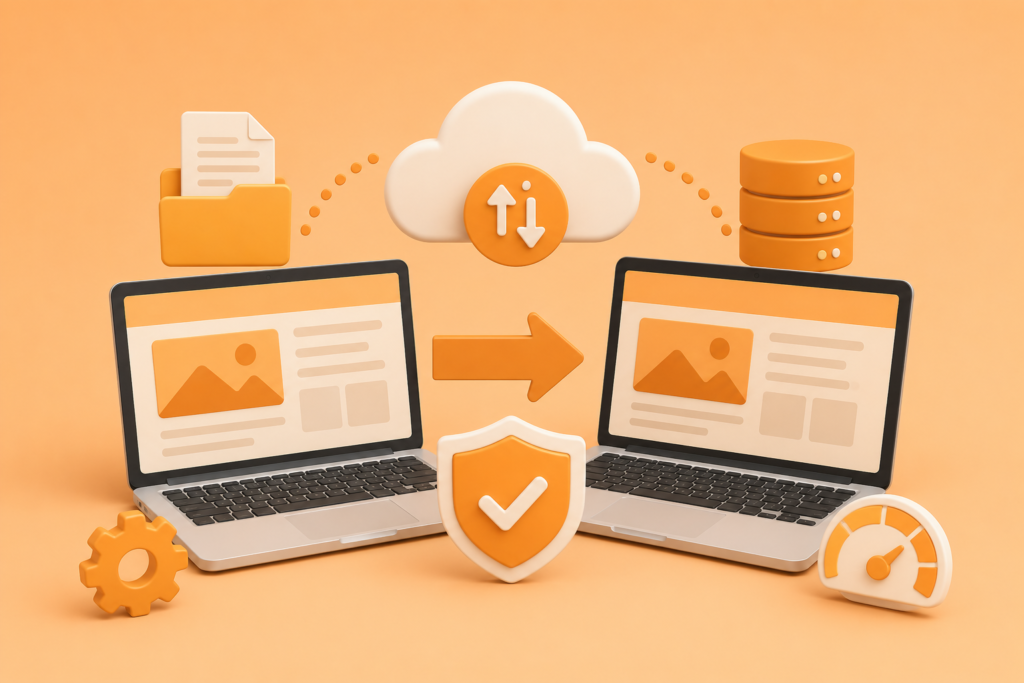
In today’s digital landscape, website security is no longer optional—it’s a necessity. With cyber threats becoming more sophisticated, businesses, bloggers, and eCommerce owners must take proactive steps to protect their websites from attacks. This is where website hardening plays a crucial role. It involves strengthening your website’s defenses to minimize vulnerabilities and reduce the risk of breaches.
At its core, website hardening is about building layers of protection. Instead of relying on a single security measure, it integrates multiple strategies such as server security, application protection, and network monitoring. This layered approach ensures that even if one defense fails, others remain in place to prevent unauthorized access.
At FixHackedSite, we understand the importance of safeguarding digital assets. A hacked website not only damages your reputation but also impacts SEO rankings, user trust, and revenue. This comprehensive guide will walk you through everything you need to know about website hardening—from basic principles to advanced strategies—ensuring your website remains secure, fast, and reliable.
What Is Website Hardening?
Website hardening refers to the process of reducing vulnerabilities within a website’s infrastructure, making it more resistant to cyberattacks. This includes securing the server, applications, databases, and even user access points. The goal is to eliminate as many entry points for attackers as possible.
One of the key aspects of website hardening is identifying potential weaknesses. These could include outdated software, weak passwords, insecure configurations, or exposed APIs. By addressing these vulnerabilities proactively, you significantly reduce the chances of exploitation. This process is not a one-time task but an ongoing effort that requires regular updates and monitoring.
Another important factor is implementing strict security policies. These policies govern how users interact with your website, how data is stored, and how access is granted. When properly implemented, they create a secure environment that protects both the website owner and its visitors.
Why Website Hardening Is Critical for Modern Websites
Cyberattacks are increasing in frequency and complexity, making website hardening essential for survival in the digital world. Hackers target websites of all sizes, from small blogs to large enterprises, often exploiting simple vulnerabilities that could have been easily fixed.
A compromised website can lead to severe consequences. These include data breaches, loss of customer trust, SEO penalties, and even blacklisting by search engines. Once a site is flagged as unsafe, recovering its reputation can take months or even years. This makes proactive security measures far more valuable than reactive solutions.
Additionally, website hardening improves performance and reliability. Secure websites experience fewer disruptions, faster load times, and better user experiences. This directly impacts search engine rankings, as performance and security are key ranking factors in modern SEO.
Understanding Common Website Vulnerabilities
Before implementing security measures, it’s essential to understand the most common vulnerabilities that websites face. These weaknesses are often the entry points for cyberattacks and can exist in various layers of your website.
One of the most common vulnerabilities is outdated software. Content management systems, plugins, and themes frequently release updates to fix security issues. Failing to update them leaves your website exposed to known exploits. Attackers often scan the web for outdated systems to target.
Another major vulnerability is weak authentication. Simple passwords, lack of multi-factor authentication, and poor access control can make it easy for attackers to gain unauthorized access. Once inside, they can manipulate data, inject malware, or take control of the entire site.
Injection attacks, such as SQL injection and cross-site scripting (XSS), are also prevalent. These attacks exploit improper input validation, allowing attackers to execute malicious code. Understanding these vulnerabilities is the first step toward building a strong defense.
Core Principles of Website Hardening
Website hardening is built on several core principles that guide the implementation of security measures. These principles ensure a structured and effective approach to protecting your website.
The first principle is least privilege access. This means granting users only the permissions they need to perform their tasks. By limiting access, you reduce the risk of accidental or malicious actions that could compromise your site.
Another principle is defense in depth. This involves using multiple layers of security, such as firewalls, intrusion detection systems, and encryption. Even if one layer fails, others remain in place to protect your website.
Finally, regular monitoring and updates are essential. Security threats evolve constantly, so your defenses must adapt accordingly. Continuous monitoring helps detect suspicious activity early, allowing you to respond before significant damage occurs.
Securing Your Web Hosting Environment
Your hosting environment is the foundation of your website’s security. If the server is compromised, even the most secure website can become vulnerable. Therefore, choosing a reliable hosting provider is crucial.
A secure hosting environment includes features such as firewalls, malware scanning, and automatic backups. These tools provide an additional layer of protection, ensuring that your website remains safe even if an attack occurs. Managed hosting services often include these features, making them a popular choice for businesses.
Another important aspect is server configuration. Disabling unnecessary services, securing file permissions, and using secure protocols can significantly reduce vulnerabilities. Proper configuration ensures that your server operates efficiently while minimizing security risks.
Importance of Strong Authentication and Access Control
Authentication and access control are critical components of website security. Weak login credentials are one of the most common causes of website breaches, making this area a top priority for hardening.
Implementing strong password policies is the first step. Passwords should be complex, unique, and regularly updated. Using password managers can help users maintain strong credentials without difficulty.
Multi-factor authentication (MFA) adds an extra layer of security by requiring additional verification methods. Even if a password is compromised, MFA prevents unauthorized access. This significantly reduces the risk of account takeovers.
Access control should also be carefully managed. Assign roles and permissions based on user responsibilities, ensuring that no one has more access than necessary. Regular audits of user accounts help identify and remove inactive or suspicious accounts.
Keeping Software, Plugins, and Themes Updated

Outdated software is one of the biggest security risks for any website. Hackers actively exploit known vulnerabilities in older versions of software, making updates a critical aspect of website hardening.
Content management systems, plugins, and themes frequently release updates to address security issues and improve functionality. Ignoring these updates leaves your website exposed to potential attacks. Automated updates can help ensure that your site remains protected without manual intervention.
However, updates should be tested before deployment. Incompatible updates can cause functionality issues, leading to downtime or broken features. Using a staging environment allows you to test updates safely before applying them to your live site.
Regular maintenance is key to keeping your website secure. By staying up to date with the latest software versions, you reduce vulnerabilities and ensure optimal performance.
Implementing Web Application Firewalls (WAF)
A Web Application Firewall (WAF) is a powerful tool for protecting your website from malicious traffic. It acts as a barrier between your website and incoming requests, filtering out harmful activity before it reaches your server.
WAFs are designed to detect and block common attacks such as SQL injection, cross-site scripting, and brute force attempts. They use predefined rules and machine learning algorithms to identify suspicious behavior and prevent it from causing harm.
There are different types of WAFs, including cloud-based and on-premise solutions. Cloud-based WAFs are easier to implement and provide real-time protection, making them a popular choice for most websites. They also offer scalability, ensuring consistent performance during traffic spikes.
Implementing a WAF not only enhances security but also improves website performance. By filtering out malicious traffic, it reduces server load and ensures a smoother user experience.
Implementing SSL Certificates and HTTPS
One of the most fundamental steps in website hardening is enabling HTTPS through SSL certificates. HTTPS encrypts the data exchanged between a user’s browser and your server, ensuring that sensitive information such as login credentials, payment details, and personal data cannot be intercepted by attackers.
Search engines like Google prioritize secure websites in their rankings. According to Google Search Central, HTTPS is a confirmed ranking factor, making it essential not only for security but also for SEO performance. Implementing SSL certificates builds trust with users, as modern browsers display warnings for non-secure websites, which can significantly increase bounce rates.
To properly implement HTTPS, you should choose a reliable SSL provider, configure automatic renewal, and ensure all internal links use HTTPS. Additionally, enforce HTTPS using redirects and enable HSTS (HTTP Strict Transport Security) to prevent protocol downgrade attacks. This ensures your website remains consistently secure across all user interactions.
Securing Your Website Database
Your database is the backbone of your website, storing critical information such as user data, content, and configurations. If compromised, attackers can access sensitive data, manipulate content, or even destroy your entire website.
One of the most effective ways to secure your database is by using strong credentials and restricting access. Avoid using default database names, usernames, or passwords, as these are often targeted by attackers. Instead, create unique credentials and limit access to trusted IP addresses only.
Another essential practice is encrypting sensitive data within the database. Encryption ensures that even if data is accessed, it cannot be easily read or misused. Additionally, regular database backups provide a safety net, allowing you to restore your website quickly in case of a breach.
To further enhance security, follow guidelines from OWASP, which provide comprehensive recommendations for database protection and secure coding practices.
Backup and Disaster Recovery Strategies
No matter how strong your security measures are, there is always a possibility of a breach. This makes backups a critical component of website hardening. A reliable backup strategy ensures that you can quickly restore your website to its previous state without significant data loss.
Backups should be automated and performed regularly. Depending on your website’s activity level, daily or even hourly backups may be necessary. Store backups in multiple locations, including offsite storage, to protect against server failures or physical damage.
Disaster recovery planning goes beyond backups. It involves creating a step-by-step plan for restoring your website, identifying key personnel, and testing recovery procedures. This ensures that you can respond effectively in the event of an attack.
Regularly testing your backups is equally important. A backup is only useful if it can be successfully restored. By verifying your backups, you ensure that your recovery strategy remains reliable and effective.
Malware Scanning and Removal
Malware can infiltrate your website through various means, including vulnerable plugins, weak credentials, or compromised hosting environments. Once inside, it can damage your website, steal data, and harm your reputation.
Regular malware scanning is essential for detecting threats early. Automated scanning tools can identify suspicious files, unauthorized changes, and malicious code. Early detection allows you to take immediate action before the damage escalates.
When malware is detected, it’s crucial to remove it completely. Partial removal can leave remnants that allow attackers to regain access. This often requires a combination of automated tools and manual inspection to ensure thorough cleanup.
Using services from trusted providers like Cloudflare can enhance your malware protection by offering advanced threat detection and mitigation features.
Monitoring, Logging, and Incident Response
Continuous monitoring is a cornerstone of website hardening. By tracking activity on your website, you can identify unusual behavior and respond to threats in real time. Monitoring tools provide insights into traffic patterns, login attempts, and system performance.
Logging plays a critical role in security. Detailed logs record all activities, making it easier to investigate incidents and identify the source of attacks. These logs are invaluable for forensic analysis and improving your security measures.
An effective incident response plan ensures that you can act quickly when a threat is detected. This includes isolating affected systems, removing threats, and restoring normal operations. Having a predefined plan reduces response time and minimizes damage.
By combining monitoring, logging, and response strategies, you create a proactive security framework that keeps your website protected at all times.
Common Website Hardening Mistakes to Avoid
Even with the best intentions, many website owners make critical mistakes that leave their sites vulnerable. One common mistake is relying solely on a single security measure, such as a firewall, while ignoring other aspects of security.
Another frequent error is neglecting updates. Outdated software remains one of the leading causes of website breaches. Failing to apply updates promptly exposes your website to known vulnerabilities that attackers can easily exploit.
Weak password practices and lack of access control are also major issues. Using simple passwords or sharing credentials increases the risk of unauthorized access. Additionally, failing to remove inactive user accounts can create unnecessary security risks.
Avoiding these mistakes requires a comprehensive approach to website hardening. By addressing all aspects of security, you can significantly reduce your risk of attacks.
Advanced Website Hardening Techniques
For websites handling sensitive data or high traffic, advanced security measures are essential. These techniques go beyond basic hardening to provide enhanced protection against sophisticated attacks.
One advanced technique is implementing Content Security Policy (CSP). CSP helps prevent cross-site scripting attacks by controlling which resources can be loaded on your website. This adds an extra layer of defense against malicious code injection.
Another powerful strategy is using intrusion detection and prevention systems (IDPS). These systems monitor network traffic and automatically respond to suspicious activity. They provide real-time protection and help identify potential threats before they escalate.
Additionally, rate limiting and bot protection can prevent automated attacks such as brute force attempts. By limiting the number of requests from a single source, you reduce the risk of server overload and unauthorized access.
Website Hardening for SEO and Performance

Website hardening is not just about security—it also has a direct impact on SEO and performance. Search engines prioritize secure and fast websites, making hardening an essential part of your optimization strategy.
Secure websites build trust with users, leading to higher engagement and lower bounce rates. These factors contribute to improved search engine rankings. Additionally, security measures such as HTTPS and fast load times are key ranking signals.
Performance optimization is closely linked to security. Tools like CDNs and caching not only improve speed but also enhance security by distributing traffic and reducing server load. This ensures a smooth user experience even during traffic spikes.
Insights from Ahrefs highlight the importance of combining security and performance for achieving long-term SEO success.
Best Practices Summary
Implementing website hardening effectively requires following proven best practices. These practices provide a structured approach to securing your website and maintaining its integrity over time.
Start by keeping all software updated and removing unnecessary components. This reduces vulnerabilities and simplifies your security management. Next, implement strong authentication and access control to prevent unauthorized access.
Regular backups and monitoring ensure that you can detect and respond to threats quickly. Additionally, using tools such as firewalls and malware scanners adds an extra layer of protection.
Finally, stay informed about the latest security trends and threats. Cybersecurity is constantly evolving, and keeping up to date ensures that your defenses remain effective.
Frequently Asked Questions
1. What is website hardening in simple terms?
Website hardening is the process of securing your website by reducing vulnerabilities and implementing protective measures to prevent cyberattacks.
2. How often should I update my website software?
You should update your software as soon as updates are available, especially security patches. Regular maintenance is essential for keeping your website secure.
3. Is HTTPS necessary for all websites?
Yes, HTTPS is essential for all websites as it encrypts data and improves user trust and SEO rankings.
4. Can a small website be targeted by hackers?
Absolutely. Hackers often target small websites because they typically have weaker security measures.
5. What is the role of a firewall in website security?
A firewall filters incoming traffic and blocks malicious requests, preventing attacks from reaching your website.
6. How do I know if my website is hacked?
Signs include unusual traffic, unauthorized changes, slow performance, and warnings from search engines or browsers.
7. Are backups really necessary if my site is secure?
Yes, backups are essential as they allow you to recover your website quickly in case of any security breach.
8. What is the best tool for website security?
There is no single best tool. A combination of firewalls, malware scanners, and monitoring tools provides comprehensive protection.
Conclusion
Website hardening is a critical investment in the long-term success of your online presence. By implementing strong security measures, you protect your website from cyber threats, enhance user trust, and improve SEO performance. A secure website not only safeguards your data but also ensures a seamless and reliable experience for your visitors.
At FixHackedSite, we specialize in helping businesses secure their websites and recover from cyberattacks. Whether you’re looking to prevent threats or fix an existing issue, taking proactive steps today can save you from costly problems in the future.
Want to Implement This Easily?
Prompt:
You are an expert consultant. Based on the blog post titled “(Website Hardening )”, provide a step-by-step, practical implementation guide. Include tools, best practices, common mistakes to avoid, and advanced tips. Assume the reader wants to implement everything discussed in this article effectively.
Call to Action:
Want our help implementing this? Just reach out to us via our website contact form: https://fixhackedsite.com/contact-us/