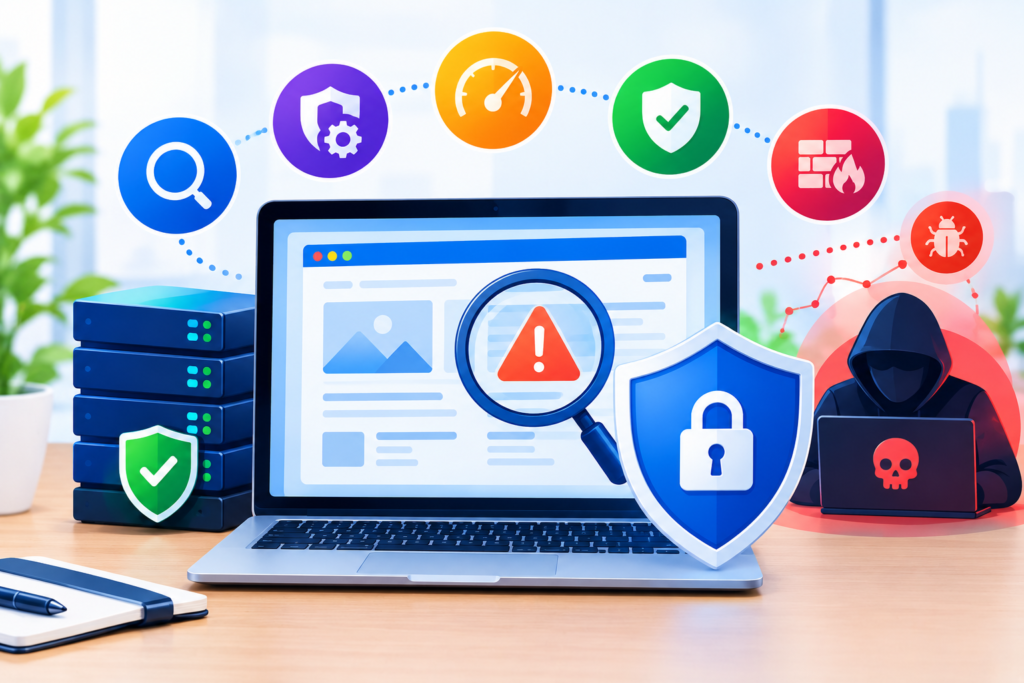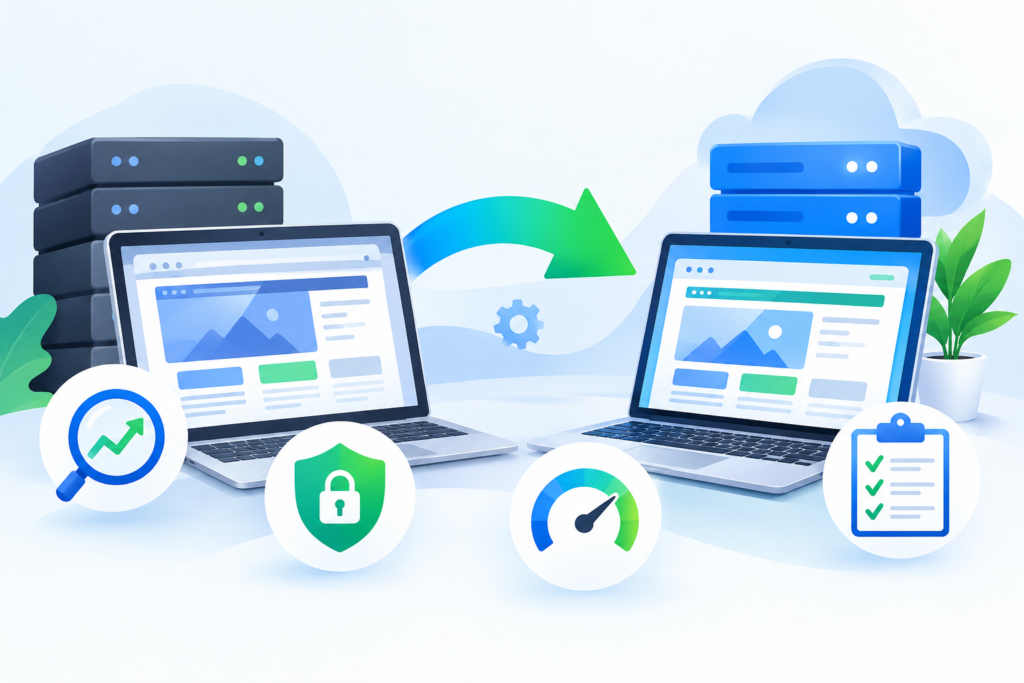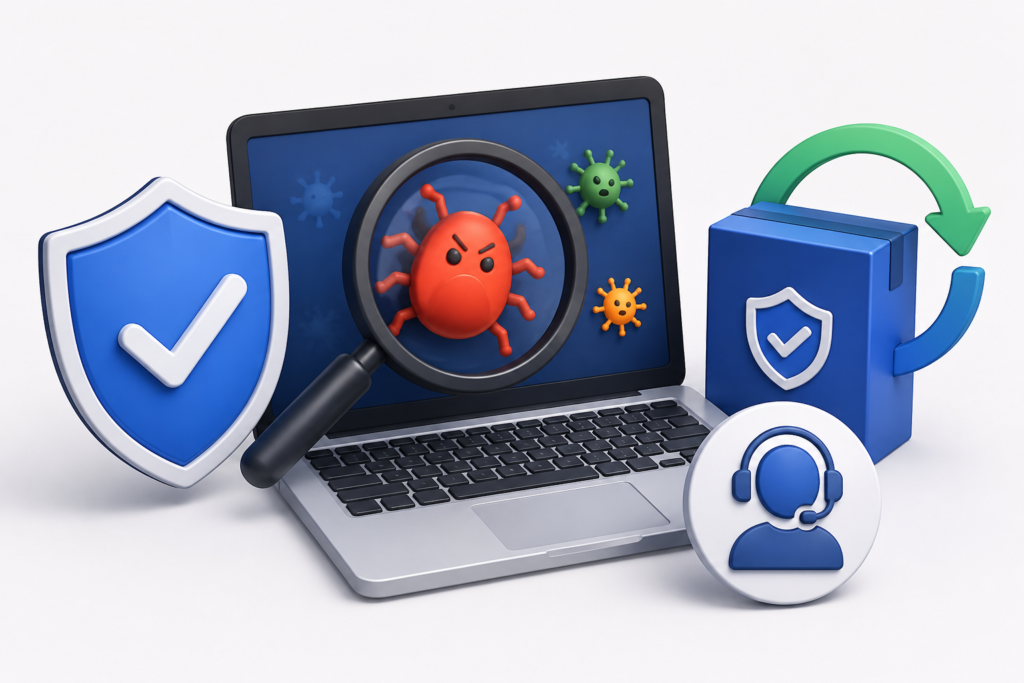
Protect your website with a Malware Removal Subscription Service that provides continuous malware monitoring, website security, threat detection, and rapid cleanup to keep your online business safe and operational.
Introduction
Cyber threats have become one of the biggest concerns for website owners, eCommerce businesses, bloggers, and organizations. Malware infections can damage reputation, reduce search engine visibility, steal sensitive information, and disrupt normal website operations. As cyberattacks continue to evolve, many businesses are moving away from one-time cleanup solutions and choosing a long-term Malware Removal Subscription Service that provides ongoing protection.
At FixHackedSite, website security is treated as an essential investment rather than a temporary repair. Continuous monitoring, proactive scanning, and expert malware removal ensure that websites remain secure against emerging threats. A subscription-based approach helps businesses avoid downtime and costly security incidents.
This comprehensive guide explains everything about malware removal subscription services, their benefits, features, best practices, common mistakes, and why proactive website security is critical for long-term success.
Understanding Malware Removal Subscription Service
A Malware Removal Subscription Service is an ongoing website security solution designed to detect, remove, and prevent malicious code from affecting websites. Unlike one-time malware cleanup services, subscription plans offer continuous protection and regular security monitoring. Businesses that rely heavily on their websites benefit significantly from having round-the-clock security coverage.
Modern malware attacks are becoming increasingly sophisticated. Hackers use ransomware, backdoors, phishing scripts, SEO spam injections, and malicious redirects to compromise websites. A subscription service ensures that threats are identified early before causing severe damage. This proactive approach minimizes downtime and protects both business operations and customer trust.
Continuous website protection provides peace of mind for business owners. Instead of waiting until an attack occurs, websites are regularly scanned and monitored. This strategy reduces the risk of recurring infections and creates a stronger security foundation.
Why Website Malware Is a Serious Threat
Website malware affects businesses of every size. Small businesses, blogs, eCommerce stores, and corporate websites can all become targets for cybercriminals. Malware infections can lead to stolen customer data, blacklisting by search engines, reduced website performance, and loss of revenue.
Search engines prioritize secure browsing experiences. According to Google Safe Browsing, compromised websites may receive security warnings that discourage visitors from accessing the site. These warnings significantly reduce traffic and damage credibility.
Malware can also negatively impact SEO performance. Spam injections and unauthorized redirects confuse search engines and dilute keyword rankings. Websites that remain infected for extended periods may require months to recover lost visibility. A subscription-based malware removal service helps detect threats quickly and prevent these long-term consequences.
How Malware Removal Subscription Services Work
A subscription-based website security solution operates continuously rather than providing a one-time repair. Security systems regularly scan website files, databases, plugins, themes, and server environments to identify suspicious activity.
Automated threat detection tools work alongside security professionals to analyze anomalies and malicious code. Once malware is discovered, cleanup procedures begin immediately. Harmful scripts, infected files, backdoors, and spam injections are removed to restore the website’s integrity.
In addition to malware removal, ongoing services often include firewall protection, blacklist monitoring, vulnerability assessments, and security hardening. These features help prevent future attacks and ensure long-term website stability. Businesses benefit from a comprehensive defense strategy instead of reactive security measures.
Key Features Included in Malware Removal Subscription Services
Professional website security plans usually offer several essential features that strengthen website protection. One of the most valuable features is real-time malware scanning. Continuous monitoring enables quick detection and immediate response to suspicious activities.
Another important feature is automated threat alerts. Website owners receive notifications whenever unusual behavior or vulnerabilities are discovered. Early warnings allow rapid action and reduce the likelihood of extensive damage.
Additional features may include:
- Website firewall protection
- Blacklist monitoring
- Vulnerability assessments
- Security hardening
- Daily malware scanning
- Backdoor detection
- Spam cleanup
- Database repair
- Website integrity checks
- Incident response support
Together, these capabilities create a strong defense against evolving cyber threats while minimizing operational risks.
Benefits of Choosing a Subscription-Based Security Solution
Many website owners initially choose one-time malware cleanup services because they appear more affordable. However, repeated infections often make this approach expensive in the long run. A subscription model provides ongoing defense and reduces recurring security incidents.
Continuous monitoring helps identify vulnerabilities before attackers exploit them. This proactive strategy prevents extensive website damage and lowers recovery costs. Businesses experience less downtime and maintain stronger customer confidence.
Another major advantage is predictable budgeting. Monthly or annual plans simplify financial planning while providing access to professional security support. Rather than facing unexpected emergency expenses, businesses gain reliable and consistent protection. Long-term website security ultimately delivers better value than reactive repairs.
Types of Malware Commonly Found on Websites
Understanding the various forms of malware helps website owners appreciate the importance of continuous protection. One common threat is SEO spam malware, which injects unauthorized pages and links into websites. These attacks damage rankings and redirect visitors to malicious websites.
Another widespread threat is backdoor malware. Attackers use hidden entry points to regain access even after visible malware has been removed. Without thorough cleanup and ongoing monitoring, reinfections become highly likely.
Additional malware categories include:
- Ransomware
- Trojan malware
- Phishing scripts
- Cryptojacking malware
- Malicious redirects
- Keyloggers
- Botnet infections
- File injection attacks
Each type poses unique risks, making professional malware detection and prevention essential for maintaining website security.
Why One-Time Malware Removal Is Often Not Enough
Many businesses assume that removing malware once solves the problem permanently. Unfortunately, cybercriminals frequently leave hidden backdoors and vulnerabilities behind. If these weaknesses remain unaddressed, websites can become reinfected within days or weeks.
One-time cleanup services generally focus on immediate infection removal rather than ongoing prevention. Although the website may appear clean initially, new threats continue emerging every day. Without continuous monitoring, businesses remain vulnerable to future attacks.
A malware removal subscription service offers a proactive approach that combines detection, prevention, monitoring, and expert support. Instead of responding after damage occurs, website owners can maintain a stronger security posture and avoid repeated compromises.
Industries That Benefit Most from Malware Removal Subscription Services
Virtually every industry with an online presence benefits from ongoing website protection. eCommerce businesses are particularly vulnerable because they process sensitive customer information and payment details. Any security breach can result in financial losses and reputational damage.
Healthcare organizations, educational institutions, and professional service providers also require strong website security. These industries often manage confidential information that cybercriminals actively target.
Other sectors that benefit include:
- Law firms
- Real estate agencies
- Financial service providers
- Marketing agencies
- Membership websites
- SaaS businesses
- News portals
- Bloggers and publishers
Continuous security monitoring helps these organizations maintain trust, protect sensitive data, and ensure uninterrupted online operations.
The Importance of Real-Time Malware Monitoring

Real-time monitoring plays a critical role in modern website security. Cyber threats can appear unexpectedly, and delays in detection often increase the severity of damage. Continuous monitoring systems provide immediate alerts whenever suspicious activities occur.
Fast detection reduces downtime and prevents attackers from maintaining long-term access. Website owners can respond quickly, limiting the impact on visitors and search engine rankings. Early intervention significantly improves recovery outcomes.
Modern malware removal subscription services combine automated scanning technologies with expert analysis. This hybrid approach improves accuracy and ensures that sophisticated threats are identified promptly. Businesses gain stronger protection against both known and emerging cyberattacks.
Best Practices Summary
Following proven security practices helps maximize the effectiveness of a malware removal subscription service:
- Keep plugins and themes updated.
- Use strong passwords and multi-factor authentication.
- Perform regular website backups.
- Enable firewall protection.
- Monitor website activity continuously.
- Remove unused software and plugins.
- Conduct vulnerability assessments regularly.
- Choose a reputable malware removal provider.
- Implement security hardening measures.
- Educate employees about cybersecurity risks.
Adopting these practices strengthens website security and minimizes exposure to cyber threats.
Factors to Consider When Choosing a Malware Removal Subscription Service
Selecting the right malware removal subscription service requires more than simply comparing prices. Website owners should evaluate the overall protection provided and determine whether the service addresses both current and future security needs. Since cyber threats constantly evolve, a reliable provider must offer comprehensive monitoring, malware detection, and proactive security measures rather than focusing solely on emergency cleanup.
Response time is another critical factor. Some providers take hours or even days to react to incidents, which can increase website downtime and revenue losses. A quality service should provide rapid malware removal, real-time alerts, and continuous support. Businesses should also look for transparency regarding the technologies used, reporting capabilities, and security procedures.
Scalability matters as well. A website that experiences growth may require additional protection, stronger firewall rules, and advanced monitoring. Choosing a flexible solution ensures that security remains effective as traffic, content, and business operations expand over time. Investing in a dependable service today can prevent significant challenges in the future.
Website Security Hardening and Prevention Strategies
Removing malware is only one part of maintaining a secure website. Preventing future attacks is equally important. Security hardening involves strengthening website infrastructure to reduce vulnerabilities and make unauthorized access significantly more difficult for attackers.
A strong security foundation includes limiting login attempts, disabling unnecessary features, updating software regularly, and using secure hosting environments. Administrators should also apply file permissions correctly and remove outdated plugins or themes that no longer receive updates. These measures reduce potential entry points for cybercriminals.
Preventive security strategies provide long-term protection. Instead of waiting for attacks to occur, businesses can actively reduce risks through continuous monitoring and regular vulnerability assessments. A proactive approach not only improves website stability but also supports better performance and user trust.
Blacklist Monitoring and Search Engine Reputation Protection
Malware infections can result in search engine warnings and blacklist issues. When search engines identify malicious content, visitors may see warnings that discourage them from accessing the website. This situation can lead to lost traffic, lower conversions, and significant damage to brand credibility.
Continuous blacklist monitoring helps identify these issues quickly. Early detection enables website owners to remove malware and request reconsideration before rankings suffer extensive damage. Protecting search visibility is essential because recovering from penalties can take weeks or even months.
Maintaining a clean reputation also improves customer confidence. Visitors expect websites to provide secure experiences, and warning messages often create doubt about a company’s reliability. Ongoing monitoring and immediate response help preserve both search engine rankings and user trust.
The Role of Website Firewalls in Malware Prevention
Website firewalls provide an additional layer of protection against cyber threats. They act as barriers between the website and malicious traffic, filtering suspicious requests before they reach the server. Firewalls help prevent brute-force attacks, malicious bots, SQL injection attempts, and many other forms of exploitation.
Modern website firewalls continuously adapt to new threats. Advanced filtering systems analyze traffic patterns and block suspicious behavior automatically. This proactive defense significantly reduces the likelihood of malware infections and unauthorized access.
Combining firewall protection with malware removal services creates a stronger security ecosystem. Instead of relying on a single defense mechanism, websites benefit from multiple layers of protection that work together to minimize vulnerabilities and improve resilience against attacks.
Common Mistakes Website Owners Make
One of the most common mistakes website owners make is assuming that malware removal is a one-time task. Cybersecurity requires continuous attention, and neglecting ongoing monitoring often leads to repeated infections. Many businesses underestimate the sophistication of modern cyber threats and delay implementing proper security measures.
Another frequent mistake involves ignoring software updates. Outdated plugins, themes, and content management systems create vulnerabilities that attackers can easily exploit. Failure to apply security patches increases the likelihood of compromise and makes websites more difficult to protect.
Additional mistakes include:
- Using weak passwords.
- Failing to perform regular backups.
- Installing software from untrusted sources.
- Ignoring suspicious website behavior.
- Neglecting firewall protection.
- Allowing unnecessary administrator accounts.
- Delaying malware cleanup.
- Not conducting vulnerability assessments.
Avoiding these errors significantly improves website security and reduces the chances of future attacks.
Why Website Backups Are Essential
Website backups provide a safety net in the event of malware infections, server failures, or accidental data loss. Regular backups enable businesses to restore critical files and databases quickly, minimizing downtime and operational disruptions.
Automated backup systems simplify the recovery process. Instead of rebuilding websites from scratch, administrators can restore previous versions and resume operations efficiently. This capability is particularly valuable for eCommerce websites and businesses that rely heavily on online transactions.
Backups should be stored securely and tested periodically to ensure reliability. A comprehensive security strategy combines backups with malware monitoring, firewall protection, and vulnerability assessments. Together, these elements provide stronger protection against unexpected incidents.
How Malware Removal Services Support SEO Performance
Website security and search engine optimization are closely connected. Malware infections can harm rankings, reduce organic traffic, and negatively affect user experience. Search engines prioritize trustworthy websites and may penalize those containing malicious content.
SEO spam attacks are especially damaging because they inject unwanted pages and links into websites. These attacks confuse search engines and dilute keyword relevance. Long-term infections can require extensive recovery efforts and may impact business growth.
Continuous malware monitoring protects SEO performance by identifying threats early and preventing major disruptions. Secure websites generally experience better user engagement, lower bounce rates, and stronger search visibility. Maintaining website integrity contributes to sustainable online success.
Future Trends in Malware Protection Services

Cybersecurity continues to evolve as attackers develop more advanced techniques. Artificial intelligence and machine learning are increasingly being integrated into malware detection systems, allowing security platforms to identify suspicious patterns more effectively.
Behavior-based analysis is another emerging trend. Instead of relying solely on known malware signatures, modern systems analyze unusual activities and detect previously unknown threats. This approach improves protection against zero-day vulnerabilities and sophisticated attacks.
Cloud-based security solutions are also becoming more popular. These technologies provide scalable protection, faster response times, and enhanced threat intelligence. Businesses that adopt advanced security practices will be better prepared to face future challenges and maintain a secure online presence.
Frequently Asked Questions
1. What is a malware removal subscription service?
A malware removal subscription service provides ongoing website monitoring, malware detection, cleanup, and preventive security measures. Unlike one-time services, it offers continuous protection against evolving threats.
2. Why is continuous malware monitoring important?
Continuous monitoring enables early detection of suspicious activities and reduces the risk of severe damage. Rapid response helps minimize downtime and maintain website performance.
3. Can malware affect search engine rankings?
Yes. Malware infections may trigger security warnings, reduce trust, and negatively impact SEO performance. Search engines prioritize safe browsing experiences.
4. How often should websites be scanned for malware?
Daily scanning is recommended for most websites. High-traffic websites and eCommerce platforms may benefit from real-time monitoring.
5. Are backups enough to protect websites?
Backups are important but should not replace active security measures. Combining backups with malware monitoring and firewall protection provides stronger defense.
6. What causes recurring malware infections?
Recurring infections often result from hidden backdoors, outdated software, weak passwords, and unresolved vulnerabilities.
7. Can small businesses benefit from malware removal subscriptions?
Absolutely. Small businesses are frequent targets of cyberattacks and benefit significantly from proactive website security.
8. How do website firewalls improve security?
Firewalls filter malicious traffic and prevent attackers from exploiting vulnerabilities, reducing the risk of malware infections.
Conclusion
Website security is no longer optional in today’s digital environment. Cyber threats continue to evolve, making proactive protection essential for businesses, organizations, and website owners. A Malware Removal Subscription Service offers continuous monitoring, rapid response, and preventive security measures that reduce risks and improve long-term stability.
At FixHackedSite, website protection focuses on maintaining trust, minimizing downtime, and safeguarding online assets against modern cyber threats. Investing in ongoing security helps businesses avoid costly incidents while ensuring a safer experience for visitors and customers.
A proactive approach delivers greater value than reactive repairs. By combining malware removal, monitoring, firewall protection, backups, and security hardening, businesses can build a stronger foundation for sustainable online growth.
Want to Implement This Easily?
Prompt Text:
You are an expert consultant. Based on the blog post titled “Malware Removal Subscription Service”, provide a step-by-step, practical implementation guide. Include tools, best practices, common mistakes to avoid, and advanced tips. Assume the reader wants to implement everything discussed in this article effectively.
Call to Action:
Want our help implementing this? Just reach out to us via our website contact form: