
Malware Removal Subscription Service is no longer a luxury—it has become a necessity for modern websites facing constant cyber threats. This comprehensive guide explains how a Malware Removal Subscription Service works, why one-time cleanups fail, and how continuous protection ensures long-term website security, trust, and search engine performance.
Introduction
In today’s digital environment, websites are under continuous attack from malware, ransomware, phishing scripts, and backdoor infections. Hackers no longer target only large enterprises; small and medium-sized websites are now prime targets because they often lack dedicated security monitoring. This is where a Malware Removal Subscription Service becomes essential. Instead of reacting after damage is done, subscription-based malware protection focuses on prevention, real-time detection, and rapid recovery.
At FixHackedSite, we understand that website security is not a one-time task but an ongoing responsibility. Malware can return within days if vulnerabilities remain open. This guide is designed to educate website owners, developers, and digital marketers on how subscription-based malware removal services provide sustainable security, improved uptime, and long-term peace of mind.
Understanding Malware in the Modern Web Landscape
Malware has evolved significantly over the past decade. Earlier, infections were often visible through defaced pages or obvious redirects. Today’s malware is stealthy, encrypted, and designed to remain hidden while silently exploiting server resources. Modern malware can inject spam links, steal customer data, manipulate search rankings, or create hidden admin users without triggering immediate alarms.
Web-based malware now targets content management systems, plugins, themes, server misconfigurations, and even third-party integrations. Automated bots continuously scan the internet looking for outdated software or weak credentials. Once inside, attackers deploy multiple layers of persistence, making manual removal extremely difficult.
Understanding this evolving threat landscape is crucial because it explains why traditional cleanup methods fail. A single cleanup may remove visible malware but leave behind hidden backdoors. Without continuous monitoring, the same website can be reinfected repeatedly, causing long-term damage to reputation, SEO, and customer trust.
What Is a Malware Removal Subscription Service?
A Malware Removal Subscription Service is a continuous security solution that provides ongoing malware detection, removal, and prevention rather than a one-time fix. It operates on the principle that website security must be proactive instead of reactive. Subscribers receive regular scans, automated alerts, expert-led cleanup, and preventive hardening measures.
Unlike traditional malware removal services that intervene only after a hack occurs, subscription services monitor file changes, database activity, and traffic patterns in real time. This allows threats to be neutralized before they escalate into major security incidents. The service also includes routine vulnerability patching and firewall configuration.
This approach ensures that websites remain protected even as new threats emerge. As attackers continuously adapt their techniques, a subscription-based model evolves alongside them, offering consistent updates and expert oversight that cannot be achieved through one-off cleanups.
Why One-Time Malware Cleanup Is Not Enough
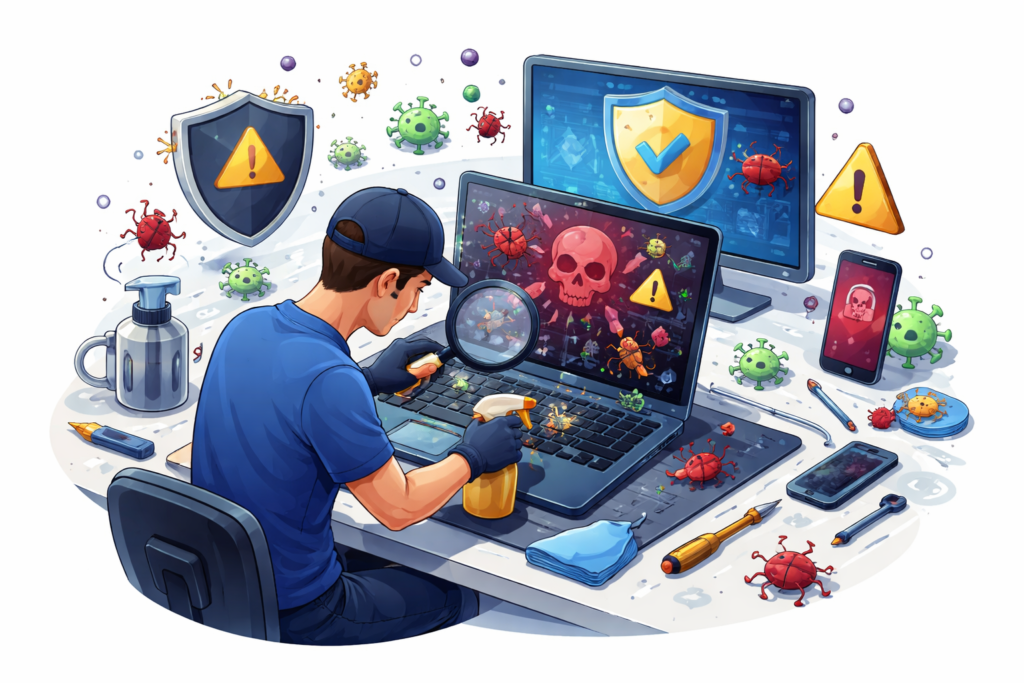
One-time malware removal may appear cost-effective initially, but it often leads to repeated infections. Hackers rarely leave behind a single malicious file. Instead, they plant multiple entry points, such as backdoors, cron jobs, and hidden admin accounts, which reactivate the infection after cleanup.
Another issue with one-time services is the lack of monitoring. Once the cleanup is completed, the responsibility shifts back to the website owner. Without advanced security knowledge, it becomes difficult to detect early warning signs of reinfection. This results in recurring downtime, blacklisting, and financial losses.
Subscription services eliminate this cycle by providing continuous oversight. They ensure vulnerabilities are patched, suspicious activity is flagged instantly, and reinfections are stopped before causing visible damage. In the long run, this approach saves time, money, and stress.
Key Features of a Malware Removal Subscription Service
A Malware Removal Subscription Service is built around a set of powerful features designed to provide complete and ongoing website protection. Unlike basic security tools, these services combine automation with expert oversight to handle both known and emerging threats effectively.
One of the core features is automated malware scanning, which continuously checks website files, databases, and server activity for suspicious behavior. These scans are designed to detect not only visible malware but also hidden scripts, injected spam links, and unauthorized file changes that traditional tools often miss.
Another critical feature is expert-led malware removal. When threats are detected, security professionals manually analyze and clean infected components to ensure no backdoors or reinfection points remain. This is complemented by preventive measures such as firewall rules, vulnerability patching, and access control hardening. Together, these features ensure long-term security, reduced downtime, and peace of mind for website owners.
Continuous Monitoring and Real-Time Threat Detection
Continuous monitoring is the backbone of subscription-based malware protection. Websites change frequently due to updates, content uploads, and user interactions. Real-time monitoring tracks these changes and distinguishes between legitimate updates and malicious activity.
When suspicious behavior is detected, alerts are generated instantly. This rapid response minimizes damage by stopping malware before it spreads across the site or server. Early detection also prevents search engines from flagging the website as unsafe.
Real-time monitoring ensures that website owners are never left in the dark. Instead of discovering issues after customers complain, threats are addressed proactively, maintaining site integrity and user trust.
Malware Removal Process Explained Step by Step
The malware removal process in a subscription-based service follows a structured and methodical approach to ensure complete cleanup. It begins with a comprehensive diagnostic scan that examines website files, databases, user accounts, and server logs to identify malicious code and unauthorized activity.
Once threats are identified, the cleanup phase begins. Security experts carefully remove infected files, injected scripts, and malicious database entries while preserving legitimate website functionality. This precision prevents accidental data loss and ensures the website continues to operate normally during and after the cleanup process.
The final step focuses on post-removal protection. Vulnerabilities that allowed the infection are patched, security rules are reinforced, and monitoring systems are activated. This step is essential for preventing reinfection and maintaining long-term website integrity, making the process far more effective than one-time cleanup solutions.
Website Hardening After Malware Removal
Website hardening is a critical step often ignored in one-time cleanups. Hardening involves strengthening the website’s security posture to reduce future attack surfaces. This includes updating software, removing unused plugins, and enforcing strong password policies.
Subscription services continuously review website configurations to ensure best practices are followed. File permissions are tightened, administrative access is restricted, and unnecessary services are disabled. These measures significantly reduce the risk of reinfection.
By focusing on hardening, subscription-based services transform websites into resilient digital assets capable of withstanding evolving cyber threats.
SEO and Reputation Benefits of Subscription-Based Malware Protection
Malware infections can cause severe damage to a website’s search engine visibility and online reputation. Search engines prioritize user safety and may blacklist infected websites, leading to sudden traffic loss and ranking drops. A malware removal subscription service helps prevent these outcomes through continuous monitoring and rapid threat response.
By removing malicious scripts, spam links, and redirect malware promptly, subscription services maintain clean SEO signals. This ensures that search engines continue to trust the website, protecting organic rankings and indexing status. Continuous protection also reduces the risk of warning messages appearing in search results or browsers.
Beyond SEO, website security directly impacts user trust. Visitors are more likely to engage, convert, and return to websites that load safely and consistently. By safeguarding both search visibility and brand credibility, subscription-based malware protection supports long-term digital growth.
Business Continuity and Reduced Downtime
Website downtime caused by malware can disrupt business operations, sales, and customer communication. Subscription-based malware removal ensures faster incident response, minimizing downtime.
By detecting threats early, services prevent complete site shutdowns. Even when incidents occur, rapid cleanup and restoration processes ensure minimal disruption.
This reliability is especially critical for eCommerce, service-based businesses, and content platforms where uptime directly impacts revenue and credibility.
Cost Efficiency of Malware Removal Subscriptions
While subscription-based malware removal services involve recurring costs, they are often more economical over time than repeated one-time cleanups. Malware incidents frequently lead to hidden expenses such as lost revenue, SEO recovery costs, and extended downtime.
Subscription services distribute security costs evenly while delivering continuous value. Instead of paying repeatedly for emergency cleanups, website owners benefit from proactive monitoring, prevention, and expert support throughout the year. This approach minimizes unexpected expenses and improves budget predictability.
Additionally, reduced downtime and faster incident response help businesses maintain operations without disruption. When viewed from a long-term perspective, malware removal subscriptions represent a strategic investment in stability, performance, and digital trust.
Compliance, Data Protection, and User Safety

Malware infections can expose sensitive user data, leading to legal and compliance issues. Subscription-based services help protect user information by preventing data breaches.
Continuous security monitoring ensures compliance with data protection standards and industry best practices. This is particularly important for websites handling payments or personal information.
By prioritizing user safety, subscription services support long-term business credibility and legal peace of mind.
Choosing the Right Malware Removal Subscription Service
Selecting the right malware removal subscription service is critical for achieving effective and reliable protection. Not all providers offer the same level of expertise, monitoring depth, or response speed, making careful evaluation essential.
A trustworthy service should include expert-led malware removal, real-time monitoring, and proactive vulnerability management. Transparency in communication, clear reporting, and responsive support are also important indicators of service quality.
Choosing a provider that emphasizes prevention as much as cleanup ensures long-term security. By partnering with a reliable subscription service, website owners gain consistent protection, reduced risk, and greater confidence in their website’s resilience.
Common Mistakes Website Owners Make
Website owners often unintentionally weaken their own security posture by repeating common mistakes. Understanding these errors is essential to avoiding repeated malware infections and long-term damage.
Common mistakes include:
- Relying on one-time malware cleanup: Many site owners believe a single cleanup permanently fixes the issue. In reality, hidden backdoors and unresolved vulnerabilities often cause reinfection within days.
- Ignoring software updates: Outdated CMS cores, plugins, and themes are among the most exploited attack vectors. Delayed updates create easy entry points for attackers.
- Using weak or reused passwords: Simple credentials and shared admin access significantly increase the risk of brute-force attacks and unauthorized logins.
- Depending only on free security plugins: While helpful, free tools lack deep server-level monitoring and expert-led threat analysis.
- Skipping website hardening: Failure to adjust file permissions, disable unused features, and secure configuration settings leaves websites exposed.
- No continuous monitoring: Without real-time alerts, malware can operate silently for weeks, harming SEO and user trust.
Avoiding these mistakes by adopting a subscription-based malware removal strategy ensures consistent protection, faster threat response, and long-term website stability.
FAQs
Q1. What is a malware removal subscription service?
It is a continuous website security solution that provides ongoing malware scanning, removal, monitoring, and prevention.
Q2. How is it different from one-time malware cleanup?
Unlike one-time cleanup, a subscription service offers long-term protection and prevents reinfections.
Q3. How often does the service scan my website?
Most services perform daily or real-time scans depending on the plan.
Q4. Can malware return after removal?
Yes, if vulnerabilities are not fixed. Subscription services prevent this through hardening and monitoring.
Q5. Will malware removal affect my website data?
Professional services remove malicious code without harming legitimate website files or content.
Q6. Is a subscription service suitable for small websites?
Yes, small websites are frequent targets and benefit greatly from continuous protection.
Q7. Does malware removal help with SEO recovery?
Yes, removing malware and preventing reinfection helps restore search engine trust and rankings.
Q8. How quickly are threats removed?
Most providers respond within hours once a threat is detected.
Q9. Can a subscription service prevent future hacks?
While no system is 100% hack-proof, subscription services significantly reduce risk through proactive defense.
Q10. Is a malware removal subscription cost-effective?
Yes, it reduces repeated cleanup costs, downtime losses, and reputation damage.
The Future of Website Security and Malware Protection

The future of website security lies in proactive and continuous defense strategies. As cyber threats become more advanced and automated, traditional reactive solutions are no longer sufficient to protect digital assets effectively.
Malware removal subscription services represent this next generation of protection by combining intelligent automation with human expertise. Continuous monitoring, adaptive security rules, and expert intervention ensure websites remain protected against evolving attack methods.
By adopting subscription-based security, businesses prepare themselves for long-term resilience. This forward-looking approach ensures websites remain secure, trustworthy, and operational in an increasingly complex digital environment.
Conclusion
Website security is no longer optional in a threat-filled digital ecosystem. A Malware Removal Subscription Service provides continuous protection, rapid response, and long-term stability that one-time cleanups cannot match. By investing in proactive security, website owners protect their data, users, and online reputation.
At FixHackedSite, we believe sustainable security is built through ongoing vigilance, expert intervention, and preventive strategies. Choosing a subscription-based approach ensures your website remains secure, trusted, and resilient—today and in the future.