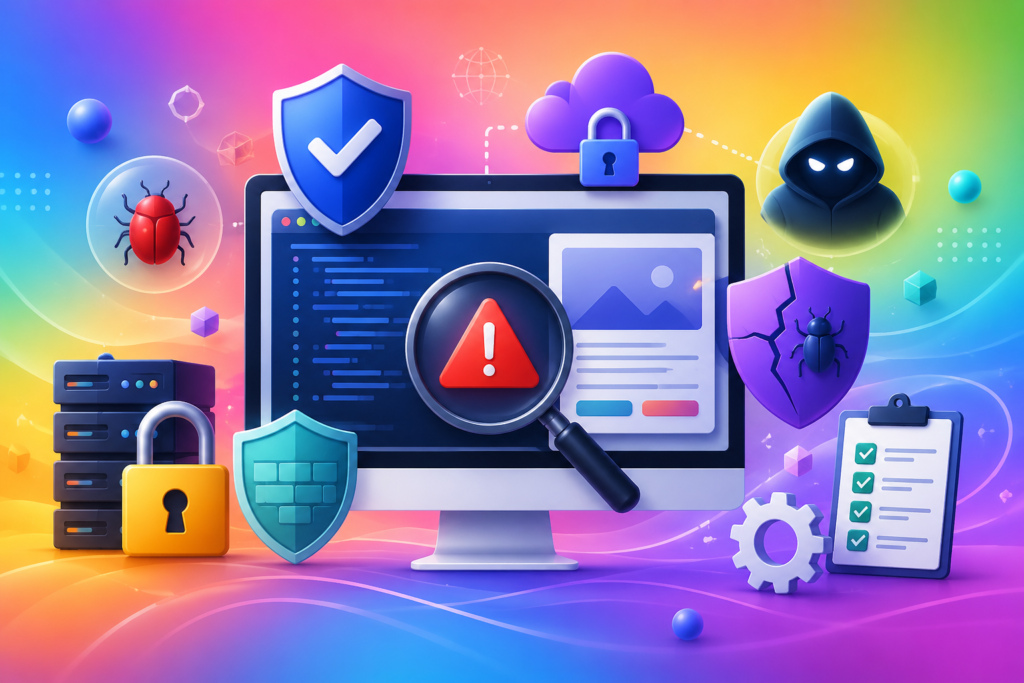
Website Vulnerability refers to weaknesses that cybercriminals can exploit to gain unauthorized access, inject malware, steal sensitive data, or disrupt online services. Understanding vulnerability assessment, common security flaws, and preventive measures helps businesses maintain a secure, reliable, and trustworthy website.
Introduction
Modern websites are exposed to a constantly evolving threat landscape. From outdated plugins and weak passwords to misconfigured servers and software flaws, vulnerabilities can create opportunities for hackers to compromise valuable information and damage business operations. Understanding website vulnerability is essential for protecting digital assets and maintaining customer trust.
At FixHackedSite, website security is considered a critical component of long-term online success. Organizations of every size face increasing cyber threats, making proactive vulnerability management more important than ever. Rather than waiting for a security breach to occur, website owners should adopt a preventive approach that identifies weaknesses before attackers exploit them.
This comprehensive guide explains website vulnerabilities, common attack vectors, vulnerability assessments, security best practices, and strategies for building a resilient online presence. Whether you operate an e-commerce store, business website, or enterprise platform, understanding these concepts can significantly reduce security risks and improve overall website reliability.
Understanding Website Vulnerability
Website vulnerability refers to a weakness or flaw in a website’s code, configuration, infrastructure, or software that can be exploited by malicious actors. These weaknesses often arise due to outdated software, insecure coding practices, poor access controls, and human errors. Attackers actively search for such weaknesses to gain unauthorized access or inject malicious code.
Cybercriminals use automated tools to scan websites for known vulnerabilities. Once discovered, they may exploit these weaknesses to steal customer information, spread malware, redirect visitors, or completely disable online services. Businesses that fail to address vulnerabilities expose themselves to financial losses, legal consequences, and reputational damage.
Website vulnerability management is not a one-time task. Security threats evolve continuously, requiring ongoing monitoring, regular updates, and proactive defense mechanisms. By understanding how vulnerabilities emerge and how attackers exploit them, website owners can implement effective safeguards that minimize exposure to cyber threats.
Why Website Vulnerabilities Are a Serious Business Risk
Website vulnerabilities extend beyond technical issues. They directly impact business continuity, customer trust, and revenue generation. A single successful cyberattack can lead to website downtime, stolen data, search engine penalties, and loss of consumer confidence.
Data breaches often result in legal liabilities and compliance violations. Organizations handling sensitive customer information must follow security standards and regulations. Failing to secure vulnerable systems can lead to regulatory fines and long-term reputational damage. Businesses operating online cannot afford to underestimate these risks.
The increasing sophistication of cybercriminals means that even small websites are attractive targets. Attackers frequently rely on automated scanning tools that indiscriminately search the internet for weaknesses. Consequently, every website owner should prioritize vulnerability assessment and cybersecurity planning as essential business investments rather than optional expenses.
Common Types of Website Vulnerabilities
Web applications face numerous security threats, many of which are consistently listed among the most dangerous vulnerabilities. One of the most recognized references is the OWASP Top 10, maintained by the OWASP Top 10. These vulnerabilities represent common weaknesses frequently exploited by attackers.
Some widespread website vulnerabilities include:
- SQL Injection
- Cross-Site Scripting (XSS)
- Broken Authentication
- Security Misconfiguration
- Cross-Site Request Forgery (CSRF)
- Server-Side Request Forgery (SSRF)
- Insecure File Uploads
- Sensitive Data Exposure
- Broken Access Controls
- Remote Code Execution
Each vulnerability affects websites differently. Some enable attackers to steal databases, while others allow malware injections or privilege escalation. Understanding these vulnerabilities helps developers and website administrators prioritize remediation efforts effectively.
Modern security strategies involve layered defenses. Combining secure coding practices, firewalls, vulnerability scanning, and regular patch management significantly reduces the likelihood of successful exploitation.
SQL Injection Vulnerabilities Explained
SQL Injection remains one of the most dangerous and widely exploited website vulnerabilities. This attack occurs when user-supplied input is improperly validated and allows malicious SQL commands to be executed within a database. Through SQL Injection, attackers may access confidential records, modify information, or even delete entire databases.
Poor input validation and insecure database queries often create opportunities for SQL Injection attacks. Dynamic SQL statements that fail to use parameterized queries are especially vulnerable. Attackers can manipulate forms, URLs, and search fields to inject malicious commands into backend databases.
Preventing SQL Injection requires secure coding practices. Developers should implement prepared statements, parameterized queries, and strict input validation. Additional protections such as Web Application Firewalls (WAFs) and regular security testing help identify weaknesses before they become severe threats. Google’s recommendations regarding secure development can be explored through security issues documentation.
Cross-Site Scripting (XSS) and Its Impact
Cross-Site Scripting, commonly known as XSS, enables attackers to inject malicious scripts into web pages viewed by users. Unlike server-side attacks, XSS targets visitors and browsers, making it particularly dangerous for websites that process user-generated content.
There are several forms of XSS attacks:
- Stored XSS
- Reflected XSS
- DOM-Based XSS
Stored XSS is among the most severe because malicious scripts remain permanently embedded in websites until removed. Attackers use XSS to steal session cookies, capture login credentials, manipulate content, and redirect users to phishing websites.
Secure input validation, output encoding, and Content Security Policies (CSP) are effective defenses against XSS attacks. Developers should sanitize user inputs and avoid directly rendering untrusted data. Regular penetration testing and vulnerability scanning further enhance protection against script injection attacks.
Security Misconfiguration Vulnerabilities
Security misconfiguration ranks among the most common causes of website compromises. These vulnerabilities occur when servers, applications, databases, or cloud services are improperly configured. Default credentials, exposed directories, unnecessary services, and inadequate permissions frequently create exploitable weaknesses.
Attackers actively search for poorly configured environments because they often provide easy access. Examples include publicly accessible backup files, open administrative interfaces, outdated software components, and incorrect file permissions. Such weaknesses may expose sensitive information or facilitate privilege escalation.
Following industry best practices reduces configuration-related risks. Administrators should disable unnecessary services, remove default credentials, enforce strong access controls, and regularly review server settings. Guidance from the National Institute of Standards and Technology provides valuable security frameworks for secure configurations.
Outdated Software and Plugin Vulnerabilities
Outdated software is one of the leading causes of website security breaches. Content Management Systems, themes, plugins, libraries, and server applications continuously receive updates that address newly discovered vulnerabilities. Delaying updates increases exposure to known exploits.
Cybercriminals often exploit publicly disclosed vulnerabilities shortly after patches are released. Websites running obsolete software become easy targets because attackers already understand the weaknesses involved. Popular platforms frequently experience attacks aimed at unpatched components.
Regular patch management should be part of every website maintenance strategy. Automatic updates, routine software audits, and removal of unused plugins significantly reduce risks. Website owners should monitor security advisories and install updates promptly to maintain a secure environment.
Weak Authentication and Access Control Issues
Authentication and access control mechanisms determine who can access website resources and administrative functions. Weak passwords, reused credentials, poor session management, and inadequate authorization checks create opportunities for unauthorized access.
Credential stuffing attacks, brute-force attacks, and password spraying techniques exploit weak authentication systems. Once attackers gain administrative access, they can inject malware, alter website content, steal information, or lock legitimate users out of their accounts.
Strong authentication measures are essential for preventing unauthorized access. Recommended practices include:
- Multi-Factor Authentication (MFA)
- Strong password policies
- Role-based access control
- Session expiration mechanisms
- Login attempt limitations
- Password managers
The Digital Identity Guidelines provide industry-recognized recommendations for strengthening authentication security. Implementing these measures helps organizations reduce risks associated with credential-based attacks.
Malware Infections and Their Relationship With Website Vulnerabilities
Malware infections are among the most damaging consequences of unresolved website vulnerabilities. Attackers frequently exploit weaknesses in applications, plugins, themes, or server configurations to inject malicious code into websites. Once malware is installed, hackers may redirect visitors, steal information, distribute spam, or use the compromised website for further attacks.
Different types of malware affect websites in various ways. Some infections focus on stealing customer credentials, while others display malicious advertisements or redirect traffic to fraudulent pages. Ransomware attacks may encrypt website files and demand payment, whereas backdoors allow attackers to regain access even after initial cleanup efforts. These hidden threats often remain unnoticed until search engines, customers, or security tools detect suspicious behavior.
Regular malware scanning, integrity monitoring, and security audits are essential components of website protection. Administrators should maintain backups, monitor unusual activities, and isolate infected systems immediately. Combining preventive security measures with continuous monitoring significantly reduces the likelihood of persistent infections and minimizes recovery costs.
Vulnerability Assessments and Security Audits
A vulnerability assessment is a proactive process that identifies weaknesses before cybercriminals can exploit them. Unlike reactive approaches that address problems after an attack, assessments focus on prevention. Businesses that conduct regular security evaluations are better positioned to maintain reliable and secure digital environments.
Security audits involve reviewing software configurations, plugins, user permissions, server settings, and application code. Automated vulnerability scanners help detect known weaknesses, while manual assessments provide deeper insights into complex security issues. Together, these methods create a comprehensive understanding of potential risks.
Organizations should perform vulnerability assessments routinely rather than treating them as one-time projects. Changes in software, infrastructure, and threat landscapes require continuous evaluation. Proactive assessments improve security posture, support regulatory compliance, and help organizations avoid costly breaches and downtime.
Penetration Testing and Ethical Hacking
Penetration testing simulates real-world attacks to evaluate how effectively a website withstands malicious activities. Unlike vulnerability scans, which identify known weaknesses, penetration testing attempts to exploit those weaknesses under controlled conditions. This approach provides a realistic understanding of security gaps and their potential consequences.
Ethical hackers use the same techniques employed by cybercriminals but operate with authorization and within legal boundaries. They assess authentication systems, access controls, application logic, APIs, and network infrastructure. Their findings help organizations prioritize remediation efforts based on actual risks rather than theoretical concerns.
Penetration testing is particularly valuable for e-commerce websites, membership platforms, financial services, and organizations handling sensitive information. Conducting periodic testing improves resilience, uncovers hidden vulnerabilities, and strengthens overall cybersecurity strategies. Businesses that invest in ethical hacking gain valuable insights into weaknesses that automated tools may overlook.
Best Practices for Preventing Website Vulnerabilities
Preventing website vulnerabilities requires a layered approach rather than relying on a single security solution. Effective cybersecurity combines technical controls, secure development practices, employee awareness, and continuous monitoring. Organizations that prioritize prevention significantly reduce the likelihood of successful attacks.
Some essential website security measures include:
- Keeping software updated.
- Enforcing strong passwords.
- Using Multi-Factor Authentication.
- Implementing Web Application Firewalls.
- Performing regular backups.
- Monitoring server activity.
- Removing unused plugins and themes.
- Restricting user privileges.
- Encrypting sensitive data.
- Conducting periodic vulnerability assessments.
Defense-in-depth strategies provide multiple barriers against attackers. Even if one layer fails, additional safeguards help prevent compromise. Building security into everyday operations ensures long-term protection and minimizes disruptions caused by cyber incidents.
Website Monitoring and Incident Response Planning
Continuous website monitoring enables organizations to detect unusual behavior before threats escalate into serious incidents. Monitoring tools analyze traffic patterns, server performance, file changes, and suspicious login attempts. Early detection often determines whether a security event becomes a minor issue or a major breach.
An incident response plan outlines procedures for handling cybersecurity events. Without a documented strategy, organizations may struggle to contain attacks and recover efficiently. Effective response plans define roles, communication procedures, recovery methods, and escalation protocols.
Preparedness reduces panic during emergencies and improves recovery times. Businesses should regularly test their incident response procedures and maintain updated contact information for relevant stakeholders. A well-structured response framework enhances resilience and minimizes operational disruptions when attacks occur.
Compliance, Data Protection, and Customer Trust
Website security directly affects customer trust and regulatory compliance. Organizations handling personal or financial information must implement safeguards to protect sensitive data. Failure to maintain adequate security measures can result in legal liabilities, financial penalties, and damaged reputations.
Privacy regulations emphasize responsible data handling and risk management. Businesses should adopt secure storage methods, encryption practices, and access controls to prevent unauthorized disclosure. Transparency regarding security practices also strengthens customer confidence and demonstrates commitment to protecting user information.
Strong security practices contribute to brand reputation and customer loyalty. Visitors are more likely to engage with websites that prioritize privacy and safety. Trust remains one of the most valuable assets in digital business, making vulnerability management a critical long-term investment.
Future Trends in Website Vulnerability Management

Cybersecurity continues to evolve as technologies and attack techniques become more sophisticated. Artificial intelligence, machine learning, and automation are transforming how organizations detect and respond to threats. Security teams increasingly rely on intelligent systems to identify anomalies and prioritize risks more efficiently.
Cloud computing, APIs, and interconnected services have expanded attack surfaces, requiring new approaches to vulnerability management. Zero Trust architectures, behavioral analytics, and continuous security validation are gaining prominence as organizations seek stronger defenses against modern threats.
The future of website security will emphasize proactive protection rather than reactive responses. Businesses that embrace evolving technologies and continuously improve their cybersecurity strategies will be better equipped to navigate emerging risks and maintain resilient online operations.
Common Mistakes Website Owners Make
Many website compromises result from preventable mistakes rather than highly sophisticated attacks. Unfortunately, small oversights often create opportunities for cybercriminals.
Common mistakes include:
- Ignoring software updates.
- Using weak passwords.
- Reusing administrator credentials.
- Installing unnecessary plugins.
- Neglecting website backups.
- Failing to monitor suspicious activity.
- Granting excessive permissions.
- Relying solely on antivirus software.
- Delaying vulnerability assessments.
- Ignoring security warnings.
These errors may appear minor individually, but together they significantly increase exposure to cyber threats. Consistent security practices help prevent avoidable incidents and strengthen website resilience.
Best Practices Summary
Effective website vulnerability management depends on adopting proven cybersecurity practices. Organizations should focus on prevention, continuous monitoring, and rapid response capabilities.
Key recommendations include:
- Maintain updated software and plugins.
- Enable Multi-Factor Authentication.
- Perform regular vulnerability assessments.
- Use Web Application Firewalls.
- Implement strong access controls.
- Maintain secure backups.
- Conduct penetration testing periodically.
- Monitor website activity continuously.
- Encrypt sensitive information.
- Develop an incident response plan.
Following these best practices creates multiple layers of protection and reduces the likelihood of successful attacks.
Frequently Asked Questions
1. What is a website vulnerability?
A website vulnerability is a weakness in software, code, configurations, or infrastructure that attackers can exploit to gain unauthorized access, steal information, or disrupt services.
2. Why are website vulnerabilities dangerous?
They can lead to malware infections, financial losses, data breaches, reputational damage, search engine warnings, and legal consequences.
3. How often should vulnerability assessments be performed?
Organizations should perform assessments regularly. Monthly scans and annual penetration tests are common recommendations, although critical websites may require more frequent evaluations.
4. Can small businesses become targets of cyberattacks?
Yes. Automated attack tools scan websites of all sizes. Small businesses are frequently targeted because attackers assume they may have weaker defenses.
5. What is the difference between vulnerability scanning and penetration testing?
Vulnerability scanning identifies known weaknesses, while penetration testing actively attempts to exploit those weaknesses to assess real-world risks.
6. Do software updates improve security?
Absolutely. Updates often include patches for known vulnerabilities and help reduce exposure to publicly documented exploits.
7. What role do backups play in website security?
Backups enable rapid recovery following malware infections, accidental deletions, or ransomware incidents. They are essential components of disaster recovery planning.
8. Can a firewall prevent all cyberattacks?
No. Firewalls provide valuable protection but should be combined with other security measures, including monitoring, authentication controls, backups, and vulnerability assessments.
Conclusion
Website vulnerabilities represent one of the most significant cybersecurity challenges facing modern businesses. Weaknesses in applications, servers, and configurations create opportunities for attackers to compromise sensitive information and disrupt operations. Proactive vulnerability management, regular assessments, and strong security practices are essential for maintaining a secure online presence.
At FixHackedSite, protecting websites from evolving threats is recognized as a long-term commitment rather than a one-time task. Organizations that prioritize security, continuous monitoring, and preventive measures position themselves for sustainable growth while maintaining customer trust and operational stability.
Want to Implement This Easily?
Prompt Text:
You are an expert consultant. Based on the blog post titled “Website Vulnerability”, provide a step-by-step, practical implementation guide. Include tools, best practices, common mistakes to avoid, and advanced tips. Assume the reader wants to implement everything discussed in this article effectively.
Call to Action:
Want our help implementing this? Just reach out to us via our website contact form: