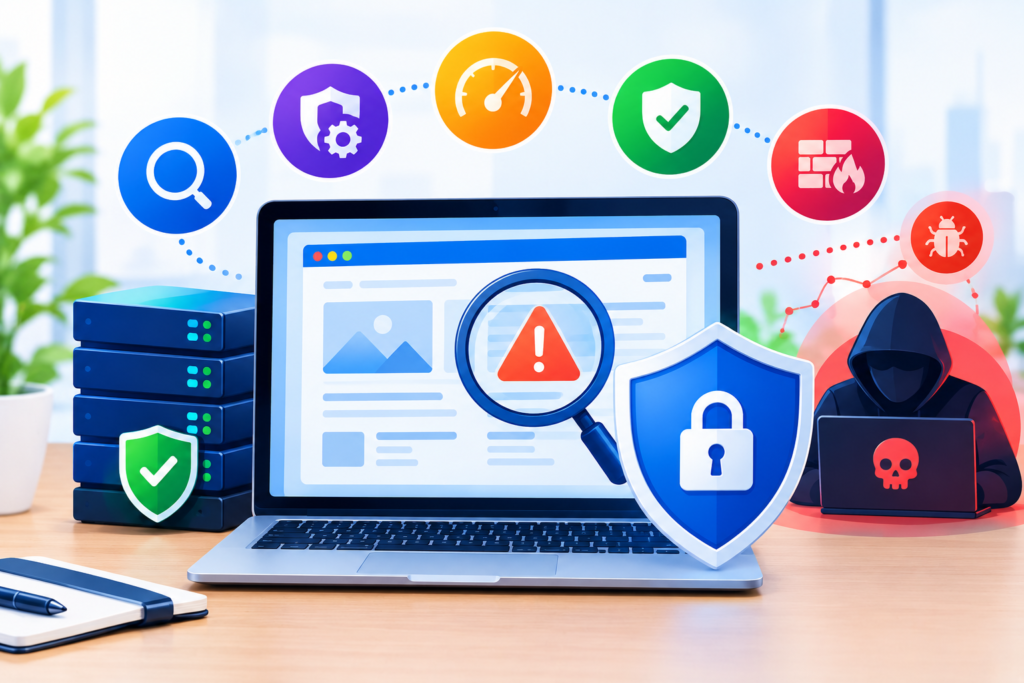
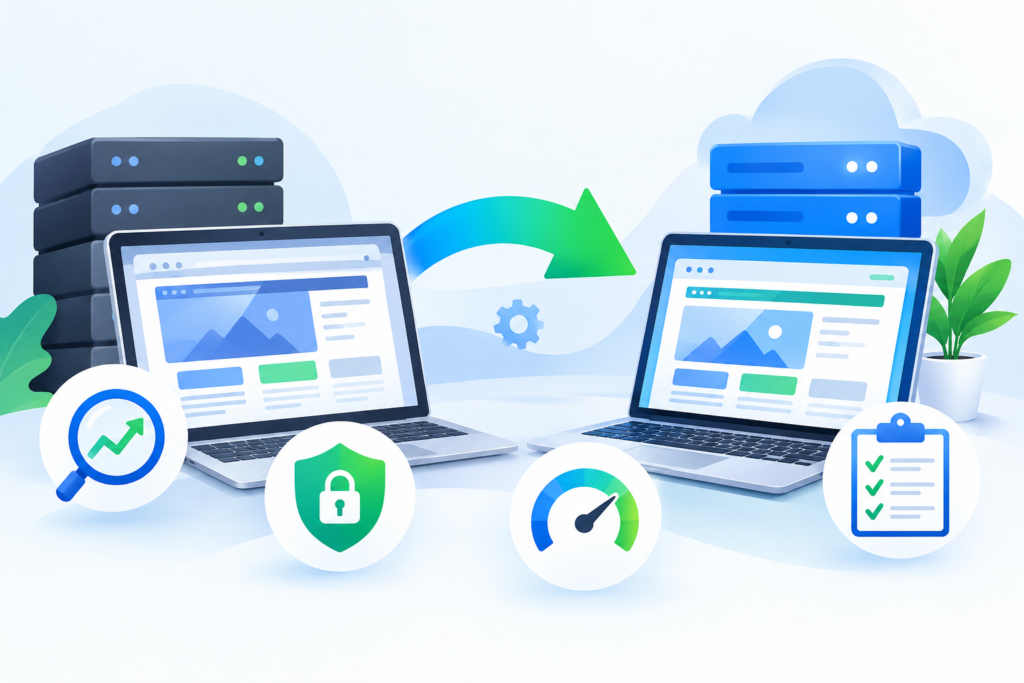
In today’s digital world, where cyber threats are evolving faster than ever, protecting your website has become a top priority. Website Hardening Service is not just about fixing vulnerabilities—it’s about building a shield of continuous protection that prevents attacks before they happen. From strengthening server configurations to securing databases, every layer of your website’s architecture needs proper defense. The importance of implementing strong website hardening strategies cannot be overstated. Whether you manage an eCommerce site, a corporate portal, or a personal blog, the security of your online presence defines your brand’s trustworthiness. A properly hardened website ensures long-term safety, speed, and performance, protecting your users’ data and your business reputation in the process.
Introduction
In the rapidly expanding digital space, every website is a potential target for cybercriminals. Website Hardening has become a critical process for ensuring that your online presence remains secure against an array of threats such as malware, brute force attacks, phishing attempts, and data breaches. This involves reinforcing every component of your website—from its server and CMS to its plugins and databases—to prevent exploitation. A well-hardened website doesn’t just survive attacks; it resists them proactively.
At FixHackedSite, we understand how devastating a compromised website can be for any business. That’s why our approach to Website Hardening Service focuses on multi-layer protection, performance optimization, and ongoing security monitoring. When your website is properly hardened, it becomes not only safe but also faster and more reliable, providing a secure experience to every visitor who interacts with your brand online.
Understanding Website Hardening
Website Hardening refers to the comprehensive process of strengthening your website’s defenses by eliminating weaknesses that hackers could exploit. It’s similar to reinforcing the walls, doors, and locks of a house to prevent intruders from getting inside. The main objective of hardening is to reduce the attack surface—the total number of points where an unauthorized user can try to enter or extract data.
A properly executed website hardening process begins with identifying vulnerabilities in software, configurations, and third-party integrations. Once detected, these vulnerabilities are mitigated through strategic actions such as disabling unnecessary functions, enforcing strict authentication, and maintaining updated systems. The result is a fortified web environment that can withstand a wide range of attacks.
The long-term benefits of Website Hardening Service include improved stability, minimized downtime, and a strong security posture. Websites that undergo regular hardening are not only more resistant to attacks but also tend to perform better in terms of load times and SEO rankings. As cyber threats continue to evolve, hardening remains a proactive step toward safeguarding your website and maintaining user trust.
Why Website Hardening Is Essential for Security
In today’s threat landscape, even a single weak plugin or misconfigured server can lead to catastrophic damage. The rise of automated attacks means hackers no longer need to manually look for vulnerabilities; bots do it for them, scanning thousands of websites daily. This makes Website Hardening not just an option but a necessity for any business operating online.
 Hardening your website ensures that your digital assets are protected against common threats like SQL injections, cross-site scripting (XSS), and brute-force attacks. It also minimizes the risks of data leaks, which can harm your business reputation and lead to financial loss. Beyond protection, hardening contributes to website performance by removing outdated scripts and tightening configurations, which improves overall functionality.
From a user’s perspective, a secure website enhances credibility and trust. Customers are more likely to engage and transact with a site that takes data security seriously. Therefore, investing in Website Hardening Service is an investment in your brand’s reliability and long-term sustainability in the digital ecosystem.
The Core Principles of Website Hardening
Every effective Website Hardening strategy is built upon a few core principles that ensure maximum protection. These principles include minimizing vulnerabilities, ensuring least privilege access, maintaining updated software, and conducting regular security audits. By following these foundational steps, businesses can significantly reduce the chances of being compromised.
The concept of “least privilege” is particularly important—it means granting users and applications only the permissions they need to perform their tasks. This simple principle can prevent a majority of internal and external breaches. Similarly, keeping your CMS, plugins, and themes updated ensures that you’re protected from known vulnerabilities. Outdated software often becomes an easy entry point for hackers.
Additionally, regular audits and monitoring play a vital role in website hardening. These processes allow you to detect unauthorized activities or vulnerabilities before they’re exploited. When applied consistently, these principles form the backbone of a strong, reliable, and secure online presence that can withstand modern cyber threats.
Securing the Server Environment
The server is the foundation of your website, and securing it should be your top priority. A poorly configured server can expose your site to numerous risks such as malware infections, unauthorized access, and DDoS attacks. The goal of server hardening is to ensure that your hosting environment is as secure as possible, minimizing opportunities for exploitation.
Effective server hardening involves updating operating systems regularly, removing unnecessary services, and applying proper firewall configurations. SSH access should be restricted using strong authentication methods, and root logins should be disabled to prevent privilege escalation. Proper file permissions and secure database connections further enhance the protection level of your server environment.
By applying these configurations, your server becomes more resilient against common attack vectors. A secure server not only prevents data breaches but also contributes to the stability and speed of your website. Implementing these server security measures is a core part of any Website Hardening Service, as it lays the groundwork for all other layers of protection.
Strengthening Content Management Systems (CMS)
Content Management Systems like WordPress, Joomla, and Drupal are among the most common targets for hackers. Their popularity makes them attractive because a single exploit can affect millions of websites simultaneously. Strengthening your CMS is, therefore, a critical part of Website Hardening.
To harden your CMS, start by removing unused plugins, themes, and user accounts. Each unnecessary element increases your attack surface. Next, ensure your CMS and its components are updated regularly, as updates often include essential security patches. Configuring secure login practices—like using two-factor authentication and complex passwords—further reduces the risk of unauthorized access.
Additionally, implementing SSL certificates, setting file permissions properly, and using trusted security plugins can significantly enhance your CMS protection. When maintained properly, your CMS becomes a strong fortress rather than a weak link. This not only helps prevent data breaches but also boosts your website’s performance, ensuring a seamless experience for visitors and customers.
Importance of Regular Software Updates
Keeping your website software up to date is one of the most vital aspects of Website Hardening. Outdated software, whether it’s your CMS, plugins, or server applications, often contains vulnerabilities that hackers can easily exploit. Cybercriminals actively scan the internet for sites running older versions of software with known security flaws. Once detected, these websites become easy prey for automated attacks, leading to defacement, data theft, or malware injection.
By maintaining regular updates, you ensure that all discovered vulnerabilities are patched and your website remains resilient against known exploits. Most CMS platforms like WordPress and Joomla regularly release security patches to address vulnerabilities. Ignoring these updates creates unnecessary risk. Similarly, updating your server software, PHP version, and database engines ensures that all layers of your website’s infrastructure remain fortified. Each update acts as a wall, preventing attackers from taking advantage of outdated code or insecure dependencies.
Beyond security, updates improve your website’s overall performance and compatibility. New versions often come with optimizations that enhance speed and functionality. Regular updates are an integral part of any Website Hardening Service strategy, serving as a simple yet powerful defense mechanism. By maintaining an up-to-date system, you establish a robust baseline for security and protect your business from costly breaches.
Implementing Secure Password Policies
Weak or reused passwords remain one of the most common reasons for website compromises. Implementing secure password policies is a fundamental step in any Website Hardening process. Hackers often use brute-force or dictionary attacks to guess login credentials. Without strong password policies in place, even a basic attack can lead to unauthorized access and complete site takeover.
To enforce proper password security, administrators should require the use of complex passwords that include uppercase letters, lowercase letters, numbers, and special characters. Passwords should also be unique for each user and changed periodically to reduce exposure. Implementing two-factor authentication (2FA) adds an additional layer of protection, making it nearly impossible for attackers to access accounts even if passwords are stolen.
Another critical aspect is secure password storage. Instead of storing passwords in plain text, they should be hashed and salted to prevent recovery in case of database breaches. Educating users and employees about password hygiene also helps maintain consistent security standards across your organization. A well-enforced password policy ensures that access control remains tight and resilient, making your Website Hardening Service efforts far more effective in preventing unauthorized intrusions.
Using SSL Certificates for Data Encryption
SSL certificates play a crucial role in website security by encrypting data transmitted between the web server and users’ browsers. Without encryption, sensitive information such as login credentials, payment data, or personal details can be intercepted by hackers through man-in-the-middle attacks. Installing an SSL certificate ensures that all data exchanges remain confidential, protecting both your website and its visitors.
An SSL certificate not only secures communication but also enhances your website’s credibility. Modern browsers display a padlock symbol in the address bar of secure websites, assuring visitors that their connection is safe. Moreover, search engines like Google prioritize HTTPS-enabled websites in rankings, which can improve your SEO performance. Thus, SSL encryption is not only about security—it’s also about visibility and trust.
Integrating SSL is a fundamental component of Website Hardening Service. However, it’s essential to configure it correctly. Improper implementation or expired certificates can trigger browser warnings and disrupt access. Regularly renewing SSL certificates and using strong encryption protocols (like TLS 1.3) ensures maximum data protection and uninterrupted performance. By securing your website’s communication channels, you eliminate one of the most common vulnerabilities exploited by cyber attackers.
Database Security and Access Control
Your website’s database holds the most valuable data—user credentials, financial records, and personal information. A compromised database can result in severe consequences such as identity theft, loss of customer trust, and even regulatory penalties. Therefore, database hardening is a key component of overall Website Hardening.
 The first step in database security is to restrict access. Only authorized users should be able to connect, and each should have the minimum permissions necessary to perform their role. The database root or administrator account should never be used for routine tasks. Additionally, passwords should be strong and changed regularly to prevent unauthorized entry.
Further, database encryption plays a major role in safeguarding stored data. Encrypting tables or columns containing sensitive information ensures that even if the database is breached, the data remains unreadable. Implementing secure connections, such as SSL for database communication, further strengthens this protection. Regular database backups should also be part of your Website Hardening Service, enabling fast recovery in case of any corruption or attack. A properly hardened database provides a strong line of defense against the ever-growing number of data-centric cyberattacks.
Hardening the File System and Directory Structure
Your website’s file system and directory structure can be potential entry points for attackers if not properly configured. Unauthorized users can exploit weak file permissions, exposed directories, or unprotected configuration files to inject malicious scripts or access confidential data. Therefore, file system hardening is an essential part of a complete Website Hardening Service.
To secure your file system, start by setting correct file and directory permissions. Files should be readable and writable only by authorized users, while configuration files (such as wp-config.php or .env) should have restricted access. Public directories should not contain sensitive information or system files. Regularly scanning your directories for suspicious files can help detect unauthorized uploads or changes early.
Additionally, disabling directory listing prevents attackers from viewing the structure of your website and identifying potential targets. Implementing proper user privileges ensures that no user has unnecessary access to critical files. Combining these practices not only prevents unauthorized modifications but also enhances overall system performance. A properly hardened file system ensures that your website remains secure from internal misconfigurations and external exploitation.
Restricting User Access and Privileges
Controlling who has access to your website and what they can do is one of the most vital components of Website Hardening. Unrestricted or mismanaged user privileges can lead to internal misuse, accidental damage, or even deliberate attacks. Implementing strict access control ensures that each user can perform only the functions necessary for their role—nothing more. This approach significantly reduces the risk of unauthorized actions or privilege escalation.
Start by categorizing your users based on their responsibilities. For instance, administrators should have full access, editors should have limited content management rights, and contributors should have restricted permissions to prevent accidental changes. Monitoring user activity also plays an essential role; by tracking logins, failed attempts, and modifications, you can quickly identify suspicious patterns that indicate possible intrusions.
Additionally, enforce multi-factor authentication (MFA) for admin accounts and limit the number of users with administrative privileges. Regularly review your user list to remove outdated accounts, especially for employees or developers who no longer need access. This not only strengthens your internal security but also simplifies overall management. Proper access restriction ensures that your Website Hardening Service covers not just external threats but also internal vulnerabilities that often go unnoticed until it’s too late.
Implementing Web Application Firewalls (WAF)
A Web Application Firewall (WAF) acts as a protective shield between your website and the internet, filtering malicious traffic before it reaches your server. It inspects incoming data packets, detects suspicious patterns, and blocks harmful requests such as SQL injections, cross-site scripting (XSS), and bot-based attacks. Deploying a WAF is one of the most effective ways to enhance your Website Hardening Service.
Modern WAFs offer both cloud-based and on-premise solutions. Cloud-based WAFs are easier to deploy and maintain, offering continuous updates to keep up with evolving threats. On-premise WAFs, on the other hand, provide more control and customization. Regardless of the type, a WAF analyzes traffic in real time and applies pre-defined security rules to ensure that only legitimate requests reach your website.
By filtering malicious traffic, a WAF not only protects your website from attacks but also improves its performance by reducing server load. It’s especially crucial for eCommerce and corporate websites that handle sensitive data and transactions. Implementing a WAF creates an additional layer of security, ensuring that even if other defenses fail, your website remains protected. This proactive barrier is a cornerstone of Website Hardening, offering continuous protection against a constantly changing cyber threat landscape.
Conducting Regular Vulnerability Assessments
Regular vulnerability assessments are essential for maintaining a secure and hardened website. Even the most well-protected websites can develop vulnerabilities over time due to software updates, plugin installations, or configuration changes. A vulnerability assessment identifies these weaknesses before hackers can exploit them, making it a vital part of your Website Hardening Service.
The process involves scanning your website for potential flaws in code, configurations, and third-party integrations. Tools such as OWASP ZAP, Nessus, or Nikto can help uncover common vulnerabilities like outdated software versions, insecure headers, or exposed directories. Once identified, these vulnerabilities should be prioritized and addressed promptly to prevent exploitation.
Vulnerability assessments should not be a one-time process but a regular routine. Conducting them monthly or quarterly ensures ongoing security and helps you stay ahead of emerging threats. Documenting and reviewing assessment reports also provides valuable insights into recurring issues and areas that need improvement. This proactive approach to vulnerability management ensures that your Website Hardening Service remains effective, adaptable, and aligned with the latest cybersecurity standards.
Enhancing Security Through Backups and Disaster Recovery
No matter how well-hardened a website is, there’s always a risk of unexpected incidents such as cyberattacks, server crashes, or accidental data loss. That’s why regular backups and disaster recovery planning are integral components of Website Hardening. A reliable backup strategy ensures that your website can be restored quickly without losing critical data or functionality.
Website backups should be stored in multiple secure locations—both online (cloud) and offline (physical drives). Automated backup systems make this process seamless, creating periodic snapshots of your website files and databases. Encryption should always be applied to backup data to protect it from unauthorized access. Testing your backups regularly is also essential to ensure they can be restored successfully when needed.
Disaster recovery planning goes hand in hand with backups. It outlines the steps your team must take in case of a breach or system failure. This plan ensures minimal downtime and quick restoration of services, maintaining business continuity and user trust. Integrating strong backup and recovery systems into your Website Hardening Service guarantees that even in the worst-case scenario, your online presence remains secure, reliable, and recoverable.
Securing APIs and Third-Party Integrations
Modern websites often rely on APIs and third-party integrations for added functionality, such as payment processing, analytics, or social media connectivity. However, these integrations can introduce serious security vulnerabilities if not properly secured. API hardening is, therefore, an essential element of your overall Website Hardening Service.
To secure APIs, always use authentication mechanisms such as OAuth 2.0 and ensure that all API communications are encrypted using HTTPS. Limiting access by IP addresses or user tokens adds another layer of protection. Additionally, rate limiting can prevent abuse by restricting how frequently an API can be accessed, thus mitigating potential denial-of-service (DoS) attacks.
Regularly auditing your third-party integrations helps you identify outdated or insecure connections that could be exploited. Only integrate with trusted and verified services, and remove unused APIs to reduce the attack surface. Implementing logging and monitoring systems ensures you can detect unusual API activity early. By securing your APIs and external integrations, you protect not just your website’s core functionality but also the sensitive data that flows through these systems daily. This careful approach forms a critical part of any Website Hardening framework.
Monitoring and Logging Website Activity
Continuous monitoring and logging are essential practices in Website Hardening because they provide visibility into what’s happening on your site in real time. Without proper monitoring, suspicious activities can go unnoticed, giving attackers time to exploit vulnerabilities and cause irreversible damage. Monitoring tools track every event—login attempts, file changes, plugin installations, and database modifications—to identify patterns that could indicate a potential threat.
Implementing comprehensive logging helps administrators analyze incidents and trace the source of any unauthorized activity. Logs serve as digital evidence, allowing you to understand how an attack occurred and what systems were affected. They are crucial for both proactive defense and post-incident investigation. Integrating your logs with a centralized monitoring system such as a Security Information and Event Management (SIEM) platform ensures all critical events are analyzed efficiently.
Furthermore, regular reviews of your monitoring reports help detect anomalies like unusual traffic spikes, multiple failed login attempts, or unexpected file uploads. These indicators often reveal early signs of intrusion. By maintaining detailed logs and monitoring your systems around the clock, your Website Hardening Service becomes more adaptive, enabling quicker responses to emerging cyber threats. This proactive approach prevents small vulnerabilities from escalating into large-scale breaches.
Securing DNS and Network Configurations
Your website’s DNS and network configurations form the backbone of its online accessibility, making them prime targets for hackers. DNS hijacking, cache poisoning, and DDoS attacks can disrupt your website and redirect users to malicious domains. Properly securing your DNS settings and network infrastructure is, therefore, a key step in comprehensive Website Hardening.
 Start by using a trusted DNS provider that offers DNSSEC (Domain Name System Security Extensions). DNSSEC adds a layer of authentication, ensuring users are directed to the legitimate IP address of your website. Configuring redundancy through multiple DNS servers helps maintain uptime in case of attacks or failures. Additionally, setting strict firewall rules and limiting open ports reduces the risk of unauthorized network access.
Implementing Content Delivery Networks (CDNs) also enhances both performance and security. CDNs distribute your website’s content across multiple servers worldwide, minimizing the impact of DDoS attacks and ensuring faster load times for global visitors. Regularly reviewing your DNS records and keeping backups ensures quick recovery if misconfigurations occur. When DNS and network configurations are properly hardened, your website’s foundation becomes more resilient, securing its online presence against both targeted and large-scale cyber threats.
Staying Ahead with Continuous Security Training
Technology evolves rapidly, and so do cyber threats. To maintain an effective Website Hardening Service, ongoing security training for your team is essential. Even the best technical defenses can be undermined by human error—such as weak passwords, unsafe plugin installations, or falling for phishing attempts. Educating employees, developers, and administrators ensures they understand their role in keeping the website secure.
Training programs should cover topics such as recognizing phishing emails, safe browsing practices, proper data handling, and secure coding techniques. Developers should also be familiar with frameworks like OWASP Top 10, which highlight the most common web security risks. Regular workshops, webinars, and simulated attack exercises can help teams stay updated on the latest hacking methods and prevention strategies.
A culture of security awareness strengthens every layer of your organization’s defense. When everyone understands the principles of Website Hardening, the likelihood of internal errors or oversights decreases significantly. Continuous learning ensures your website adapts to new threats and remains well-protected. Investing in staff training not only enhances security but also builds long-term confidence in your team’s ability to safeguard your digital assets.
Conclusion
In an age where cyber threats are growing more sophisticated by the day, Website Hardening is no longer optional—it’s essential. A well-hardened website acts as a digital fortress, protecting against malware, data breaches, unauthorized access, and other malicious activities. Each step, from securing the server and CMS to implementing firewalls, monitoring systems, and backup solutions, contributes to building a comprehensive defense system.
A properly executed Website Hardening Service enhances both security and performance, ensuring a fast, reliable, and trustworthy online experience for your visitors. By continuously monitoring, updating, and educating your team, your website can remain ahead of evolving threats and maintain long-term resilience.
At FixHackedSite, we specialize in delivering end-to-end Website Hardening Services designed to protect your website from every possible angle. Whether you’ve experienced a security breach before or simply want to safeguard your business for the future, our expert team ensures that your website remains strong, fast, and fully secured. With the right hardening practices in place, your digital presence can thrive safely in an ever-changing online world.