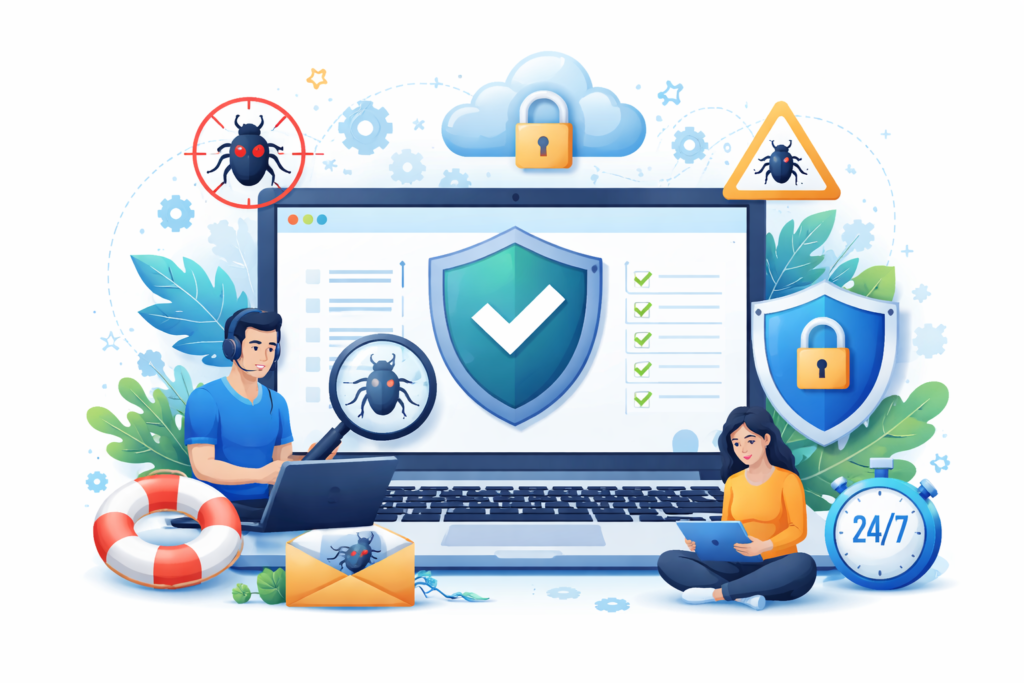
Website Hardening is one of the most essential actions any business, blogger, online store, or digital service provider must implement to secure their online presence in today’s high-risk cyber environment. Cyberattacks continue to rise each year, and websites that are not protected with strong hardening techniques become easy targets for malware injections, bot attacks, brute-force attempts, database breaches, phishing code, ransomware scripts, and unauthorized access exploits. When a website is hardened correctly, it gains a strong defense layer that reduces vulnerabilities, strengthens server protection, enhances data integrity, and ensures long-term website stability and trustworthiness. Without proper Website Hardening, your entire brand reputation, user trust, and business operations can collapse in seconds. This guide explains everything you need to know about modern Website Hardening and why it is now considered more important than ever.
Introduction
In today’s digital era, hackers target websites every second, looking for any small vulnerability that can give them entry. If your website is not fully secured, even a tiny weakness can allow cybercriminals to inject malicious files, steal sensitive information, deface your pages, or completely take control of your hosting environment. This is why Website Hardening has become a critical component for online survival. Website owners must understand that security is not a one-time setup; it is a continuous protective shield that must be strengthened regularly to prevent modern cyberattacks. At FixHackedSite, we have seen thousands of websites suffer severe damage simply because they lacked proper hardening layers, and most of these attacks could have easily been prevented with the right techniques.
Website Hardening is the structured method of reducing vulnerabilities, increasing server security, improving defensive mechanisms, and adding multiple protective layers so that external threats cannot exploit weakness. It includes securing your server, firewall, CMS, admin access, plugins, database, codebase, file permissions, and hosting environment. When a website is hardened professionally, its risk level drops significantly, meaning hackers face extreme difficulty breaching it. The process also strengthens privacy, protects customer information, improves website performance, and reduces the possibility of malware reinfections.
This comprehensive guide has been prepared to help website owners understand the full importance of Website Hardening. It covers every aspect of modern protection, from securing server configurations to implementing strong authentication methods, updating CMS structures, and optimizing database security. Whether you run a blog, corporate site, or online shop, the strategies in this article will help protect your website from cyberattacks and create a secure online environment for your users. Throughout this blog, you will discover advanced hardening methods, industry-proven security practices, and actionable insights that boost the overall security of your website. FixHackedSite supports users by delivering expert solutions that help websites remain safe, stable, and hacker-proof, ensuring long-term protection and smooth digital operations.
Understanding the True Meaning of Website Hardening
Website Hardening refers to the complete process of strengthening every layer of a website, including its hosting server, database, CMS core files, directories, admin area, authentication systems, and overall security structure. In simple words, it means making your website extremely difficult for hackers to break into. Many website owners mistakenly believe that installing a security plugin is enough, but true Website Hardening is a much deeper, multi-step process that requires technical knowledge and consistent monitoring. Without understanding the full scope of Website Hardening, your website remains vulnerable to sophisticated attacks that can bypass weak protective tools.
The whole purpose of Website Hardening is to eliminate unnecessary access points, remove vulnerabilities, and build a secure foundation. Hackers constantly scan the internet for outdated websites, weak file permissions, open ports, unsecured database access, and incorrect configuration settings. A hardened website closes these doors, making the job of the attacker significantly harder. It also includes adjusting critical server settings, controlling file access, upgrading security protocols, and applying security headers that protect your users from data theft and malicious code injections. The deeper your hardening structure is, the safer your site becomes against emerging cyber threats.
Website Hardening is not a luxury; it is a necessity for every business that operates online. When implemented correctly, it prevents unauthorized logins, SQL injections, malware uploads, phishing scripts, theme and plugin exploitation, and cross-site scripting attempts. It increases reliability, stabilizes performance, and creates a trustworthy environment for your visitors. More importantly, it reduces the risk of financial loss, legal complications, and brand damage caused by a cyberattack. Every website – small or large – must undergo professional hardening to protect data integrity and business continuity.
Why Website Hardening Is Essential in Today’s Cyber World
The modern internet is full of automated bots, malware generators, brute-force attack scripts, and cybercriminals looking for easy targets. Even a brand-new website can be attacked within hours of going live if proper hardening measures are not implemented. This is because attackers use automated tools that scan millions of websites daily to detect vulnerabilities like outdated CMS versions, weak admin passwords, publicly accessible directories, unprotected APIs, and insecure server configurations. Website Hardening ensures that your site is not an easy target by adding layers of protection that stop these automated attacks instantly.
Another major reason Website Hardening is essential is because modern hacking techniques have become highly sophisticated. Hackers no longer rely on basic attacks; they use advanced methods such as remote code execution, backdoor injection, zero-day exploits, database extraction, and session hijacking. If your website is not hardened, these techniques can compromise your entire system in minutes. Hardening helps block such attacks by ensuring your website follows modern security standards and configuration best practices. This includes strengthening login systems, using secure communication protocols, and enforcing strict permissions on files and directories.
Website Hardening is also essential for maintaining trust with your users. When visitors land on a website, they expect safety, reliability, and protection of their personal information. If your website gets hacked or displays malware warnings, users immediately lose trust and may never return. Additionally, Google may blacklist your website, causing severe SEO damage and loss of search ranking. Hardening prevents such incidents by keeping your site clean, robust, and secure at all times. In a rapidly evolving cyber environment, Website Hardening is not just an option—it is a fundamental requirement for long-term digital success.
The Growing Threat Landscape and Rising Cyberattacks
The global threat landscape has evolved at an alarming rate, making Website Hardening more important than ever. Cybercriminals today operate with advanced tools, automated scanners, and sophisticated malware capable of breaching thousands of websites simultaneously. The rise of AI-driven hacking systems has made it easier for attackers to identify weak websites, exploit outdated components, and inject harmful code without being detected. This continuous evolution in cyber threats means that even small websites and new businesses are constantly at risk. Attackers do not discriminate; they target any site that shows signs of weak security, and without proper hardening, a website is exposed to endless attack attempts every single day.
 Many website owners believe that hackers only target large corporations or government systems, but the reality is completely opposite. Most attacks are automated and designed to scan millions of websites at once, searching for outdated CMS versions, weak admin credentials, insecure plugins, and unprotected servers. This means that even a simple blog or business site can be compromised within minutes if not properly hardened. Hackers take advantage of sites with low security awareness, and once access is gained, they inject malware, add hidden scripts, steal user data, or use the site for phishing. This makes Website Hardening a crucial shield, especially in times when millions of new malware variants appear every year.
As cyber threats increase, the financial and reputational damage caused by a hack becomes even more severe. A compromised website can lose customers, suffer search engine penalties, face online blacklisting, and even deal with legal consequences for exposing user data. Recovering from a major cyberattack is far more costly and time-consuming than preventing one with strong Website Hardening techniques. This is why experts emphasize proactive security instead of reactive repairs. By understanding the rising threat levels and implementing advanced hardening measures, website owners can ensure long-term protection, stability, and trust for their digital presence.
Core Principles Behind Effective Website Hardening
Website Hardening is built upon a series of fundamental security principles that work together to create a strong defense system. The first and most important principle is minimization of exposure. A website should only have the necessary number of access points, active plugins, open ports, and permissions required for smooth operation. Anything beyond that increases the attack surface and invites vulnerabilities. Hardening focuses on reducing this exposure by removing unnecessary components, disabling unused services, restricting directory access, and controlling file permissions to prevent unauthorized modifications. This foundational principle helps ensure that attackers find fewer entry points when attempting to exploit the system.
The second major principle is protection through layered security. A single security plugin or firewall is not enough to protect a website from modern cyber threats. Effective Website Hardening requires multiple layers of defense, each addressing specific areas such as server security, database protection, authentication systems, encryption, and CMS hardening. When one layer fails or is bypassed, the next layer provides additional protection, reducing the chances of a successful attack. This layered approach ensures that even if a hacker discovers a vulnerability, further progress becomes extremely difficult, creating a resilient and secure website environment.
The third core principle is consistent monitoring and timely updates. Websites must be regularly maintained to stay secure. New vulnerabilities are discovered daily, and outdated components become easy targets for attackers. Hardening emphasizes the importance of keeping software up to date, monitoring server logs, scanning for malware, and performing regular audits. Without continuous monitoring, hardening efforts can weaken over time. When these principles are combined—limited exposure, layered security, and continuous monitoring—a website gains a strong, durable defense structure capable of resisting both automated and targeted attacks.
Server-Level Security as the First Line of Defense
Server-level security is the foundation of Website Hardening because a vulnerable server can compromise the entire site, no matter how secure the CMS or plugins are. A hardened server ensures that attackers cannot exploit system vulnerabilities, manipulate files, or access areas that should remain protected. Server hardening includes configuring firewalls, disabling unused modules, updating system libraries, restricting directory access, and applying security rules that block harmful requests. By strengthening server configurations, website owners create a secure environment that reduces the risk of unauthorized access and malware infections. A strong server acts as a fortress, preventing hackers from executing dangerous commands or accessing sensitive areas of the website.
Another critical aspect of server-level security is proper management of permissions. When file and directory permissions are misconfigured, attackers can upload malicious files, modify important scripts, or escalate their access privileges. Hardening ensures that only the minimum required permissions are granted, and sensitive files are protected from public access. Additionally, server firewalls such as ModSecurity or advanced rule-based systems can filter harmful traffic and block common attack patterns like SQL injection, cross-site scripting, and brute-force attempts. Server-level monitoring tools also help detect suspicious behavior early, allowing administrators to respond before the situation becomes critical.
A hardened server not only improves security but also enhances website performance and reliability. Optimized server configurations reduce unnecessary system load, close unused ports, and prevent resource abuse. This makes the website faster, more stable, and capable of handling higher traffic volumes without security risks. Server-level security remains one of the most effective measures in Website Hardening, and without it, even the strongest CMS-level improvements may fail. By securing the server from the ground up, website owners build a strong base for all other security layers, significantly lowering the risk of cyberattacks.
Securing Your Hosting Environment for Long-Term Protection
A secure hosting environment plays a major role in protecting your website from cyber threats, and it is a critical part of Website Hardening. Not all hosting providers offer the same level of security, and choosing a weak hosting service can expose your website to unnecessary risks. A properly hardened hosting environment includes features such as network firewalls, regular backup systems, malware scanning tools, isolated account architecture, and updated server software. These features create a strong foundation by preventing attackers from exploiting server-side vulnerabilities or spreading attacks between shared accounts. When your hosting environment is secure, your website gains long-term stability and reduced risk of infiltration.
Another component of securing your hosting environment is configuring essential server settings such as disabling directory browsing, enforcing secure connections, restricting root access, and applying strong SSH configurations. These settings help block unauthorized system access, limit data exposure, and ensure that only trusted users can interact with sensitive server components. Additionally, hosting environments that offer dedicated IP addresses, server-level caching, and DDoS protection provide even stronger defense against cyberattacks. All these features contribute to a safer hosting infrastructure that supports your Website Hardening strategy from the core.
Long-term protection is achieved when your hosting environment is regularly monitored, updated, and optimized. Hosting providers that fail to upgrade their systems leave your website open to new vulnerabilities, which hackers can quickly exploit. A secure and reliable hosting provider ensures frequent updates, routine maintenance, and active security monitoring. When combined with your internal hardening efforts, a secure hosting environment forms one of the strongest shields against cyberattacks. Investing in high-quality hosting is not just a technical decision; it is a long-term security strategy that protects your website, your users, and your business reputation.
Strengthening Content Management System (CMS) Security
Your Content Management System is the heart of your website, and if it is not secured properly, the entire website becomes vulnerable to cyberattacks. Weak CMS configurations are among the most common reasons websites are hacked today. Hackers actively scan for outdated CMS versions, unused addons, vulnerable extensions, and weak configuration files. Strengthening CMS security is one of the most essential parts of Website Hardening because it directly protects your website’s central structure. Regular updates to the CMS core, security patches, and stable plugin versions play a major role in defending your site from known vulnerabilities, as these updates often fix security loopholes before attackers can exploit them. When your CMS is hardened, it becomes much harder for attackers to inject malicious scripts, modify files, or exploit internal weaknesses that usually remain unnoticed by website owners.
Another essential part of CMS hardening is controlling the access points within your dashboard and administration panel. Hackers use brute-force tools, credential stuffing, and automated login bots to break into admin accounts. Weak usernames, predictable passwords, and publicly accessible login URLs make this process incredibly easy for attackers. Securing your admin panel with strong authentication methods, hidden login pages, restricted IP access, and multi-step verification significantly reduces the risk of unauthorized entry. Moreover, disabling file editing from within the CMS dashboard further limits damage potential because attackers cannot directly modify important files even if they access the admin panel. These defensive measures work together to build a stronger and safer CMS environment.
CMS-level hardening also includes regularly scanning for suspicious changes, removing unused components, and maintaining a clean, stable plugin environment. Every plugin or theme installed increases the risk of potential vulnerabilities, especially if the developer no longer maintains it. A hardened CMS ensures that only trusted, updated, and necessary components are active on your site at all times. This reduces the attack surface and makes it much more difficult for malicious scripts to hide inside vulnerable extensions. When your CMS is properly hardened, your entire website operates on a secure infrastructure that can resist modern threats and maintain long-term protection.
Creating a Secure File and Directory Structure
A properly secured file and directory structure is essential in Website Hardening because most attacks begin with unauthorized access to important files. Hackers often search for misconfigured permissions, exposed directories, or editable files that allow them to upload malware or modify system settings. To protect your website from such attacks, file permissions must be set carefully to restrict how different users and processes interact with your system. When directories and files are organized and secured, it becomes significantly harder for attackers to inject harmful content, run malicious scripts, or compromise your website’s integrity. A strong file structure also helps prevent unauthorized access to configuration files containing sensitive information like database credentials and authentication keys.
Another critical part of securing the file and directory structure is disabling public access to sensitive folders. Exposing these directories can reveal internal files, server behavior, configuration patterns, and other important data that hackers can use to plan their attacks. Restricting directory listing, implementing access control rules, and hiding system-level files reduces the chances of exposing confidential information. This is especially important for websites running on shared hosting environments, where cross-account vulnerabilities may allow attackers to explore directory contents. A secure file structure ensures that only the necessary files are accessible publicly, while all other components remain hidden and protected from external threats.
Maintaining a secure directory structure also includes regularly cleaning up old themes, outdated backups, unused scripts, and leftover installation files. These forgotten or abandoned files often contain older versions of software or outdated code that hackers can easily exploit. By removing unnecessary components and organizing the file system, you reduce the attack surface and create a streamlined environment that is easier to secure and monitor. Regular audits of your file structure help identify suspicious changes early, allowing quick response before malware spreads or system configurations are altered. A secure file and directory system strengthens the foundation of your website and ensures long-term protection against advanced cyber threats.
Enhancing Database Security to Prevent Data Breaches
Database security is one of the most critical aspects of Website Hardening because the database contains your most sensitive information, including user data, login credentials, order records, and internal settings. Hackers often target the database with SQL injection attacks, brute-force attempts, or automated scanner tools designed to find weak configurations. Securing your database ensures that even if attackers attempt to access or manipulate sensitive information, your defenses prevent unauthorized entry. Using strong passwords, encrypted connections, optimized configurations, and minimal privileges helps reduce the risk of database-related breaches. When your database is properly hardened, cybercriminals face extreme difficulty extracting or modifying your data.
Another important aspect of database hardening is isolating the database from public access. Direct external access to the database must be disabled unless absolutely necessary, because open connections expose your system to dangerous attacks. Using secure ports, restricting IP-based access, and implementing strong authentication protocols helps ensure that only permitted users and processes can interact with the database. Additionally, separating database roles and limiting admin privileges reduces the risk of damage if login credentials are compromised. These security measures work together to create a strong boundary that protects your database from both external and internal threats.
Regular database maintenance also plays a crucial role in long-term protection. Outdated tables, unnecessary entries, unused plugins, and leftover installation data often create vulnerabilities that hackers can exploit. Keeping your database clean, optimized, and regularly backed up ensures that even if a security issue arises, you can recover your data safely. Monitoring database logs for suspicious activity also helps detect intrusion attempts early. A well-hardened database forms the backbone of your website’s security, ensuring that your most valuable data remains protected under all circumstances.
Importance of Regular CMS, Plugin, and Theme Updates
Keeping your CMS, plugins, and themes updated is one of the simplest yet most powerful Website Hardening practices. Cybercriminals are constantly looking for outdated software because older versions often contain publicly known vulnerabilities. When developers release updates, they typically include important security patches designed to close these vulnerabilities. If your website remains outdated, hackers can easily exploit these weaknesses using automated tools. Regular updates ensure that your website stays protected against newly discovered threats, reducing the chances of being targeted by cyberattacks that are specifically designed to exploit older versions of software.
 Updates also improve website performance, compatibility, and stability. Outdated components may not function correctly with newer server configurations or modern security protocols, which increases the risk of conflicts, errors, and functionality problems. Updated plugins and themes not only enhance the user experience but also ensure compatibility with the latest CMS core updates. When everything is running on the latest versions, your website becomes more resilient and secure. Failing to update even a single plugin can create an entry point for attackers to inject malware or gain unauthorized access.
Another major benefit of regular updates is reducing the likelihood of reinfection after malware removal. Many websites get hacked repeatedly because the original vulnerability remains unpatched. Proper updating closes these gaps and reinforces your defensive layers. Routine updates, combined with consistent monitoring and secure configurations, create one of the strongest protective measures in Website Hardening. By keeping your digital environment up to date, you ensure long-term security, improved performance, and reliable website functionality.
Implementing Web Application Firewalls (WAF) for Maximum Protection
A Web Application Firewall is one of the most powerful tools used in Website Hardening because it acts as a protective shield between your website and incoming traffic. A WAF inspects every request before it reaches your site, filtering out malicious attempts such as SQL injections, cross-site scripting, directory traversal attacks, bot traffic, and automated hacking tools. Without a WAF, your website is constantly exposed to harmful requests generated by attackers from around the world. Since most modern cyberattacks are automated, a WAF ensures that your site receives only clean and verified traffic, reducing the workload on your server and preventing unauthorized attempts to exploit vulnerabilities. By analyzing patterns and detecting suspicious activity, a WAF significantly increases the security level of any website, making it a foundational part of a strong hardening strategy.
Another major advantage of using a WAF is its ability to provide real-time attack prevention. Instead of waiting for logs or manual reviews, the firewall blocks harmful traffic instantly, lowering the risk of security breaches. This is especially useful for websites that cannot afford downtime or disruptions caused by cyberattacks. WAF systems also come with customizable rules, allowing website owners to tailor security settings based on their needs. Features such as IP blocking, country-based restrictions, bot detection, rate limiting, and request filtering provide an additional layer of control, making it extremely difficult for attackers to reach your actual website files. These dynamic protections help maintain website performance while ensuring that hackers cannot exploit weak areas.
In addition, a WAF enhances compliance with security standards and builds trust among visitors. Search engines, security authorities, and industry regulations often encourage or require additional protection for sensitive websites. A WAF not only helps meet these requirements but also reduces the risk of websites being blacklisted due to malware or suspicious activity. When combined with secure hosting, updated plugins, and strong login protection, a Web Application Firewall becomes a powerful force in Website Hardening. It acts as a frontline defender, preventing attacks before they reach your server and ensuring a long-term secure environment for your online business.
Advanced HTTPS and SSL/TLS Configurations for Secure Connections
Securing your website using HTTPS and strong SSL/TLS configurations is a vital part of Website Hardening. While many websites today have basic SSL certificates, not all of them are configured correctly or optimized for strong security. A properly configured SSL/TLS setup ensures that all communication between your visitors and your website remains encrypted, reducing the risk of data interception and man-in-the-middle attacks. This is especially important for websites handling sensitive information such as login data, payment details, and personal records. When encryption is enabled and optimized, attackers cannot read or manipulate data even if they manage to intercept the communication between your server and the user’s browser.
Advanced SSL/TLS configurations focus on strengthening the protocols and cipher suites used during the encryption process. Weak or outdated configurations can expose your website to vulnerabilities such as downgrade attacks, SSL stripping, and protocol manipulation. Strong configurations ensure that only the latest, most secure versions of TLS are used, while older, insecure versions are completely disabled. Enforcing HSTS (HTTP Strict Transport Security) adds another protective layer by preventing the browser from connecting to your website without HTTPS. This eliminates the possibility of insecure redirects and ensures that encryption is always active. Proper certificate management and renewal are also essential to prevent expired certificates, which can harm both security and user trust.
Optimizing HTTPS also improves search engine rankings and increases user confidence. Websites with strong HTTPS configurations are seen as more trustworthy by search engines like Google, which often prioritize secure websites in search results. Additionally, visitors are more likely to stay on a website that shows a secure lock icon instead of a warning message. Strong SSL/TLS settings, combined with regular security audits and modern encryption technologies, create a secure and efficient environment for users. This strengthens the overall Website Hardening process and ensures safe communication between all parties interacting with your website.
Role of Security Headers in Preventing Browser-Based Attacks
Security headers are one of the most underrated yet powerful elements of Website Hardening. These headers instruct the visitor’s browser on how to handle various types of content, reducing the chances of browser-based attacks such as clickjacking, content injection, data theft, and malicious script execution. By configuring headers like Content-Security-Policy, X-Frame-Options, X-Content-Type-Options, and Referrer-Policy, website owners can control how external scripts load, how frames behave, and how sensitive data should be handled. These security headers act as a defensive instruction set that limits the browser’s ability to execute potentially dangerous actions, blocking attacks before they even start.
Another major benefit of security headers is their ability to prevent unauthorized content from running on your website. Without proper headers, attackers can inject malicious JavaScript, phishing elements, or rogue iframes that trick users into performing unwanted actions. Content-Security-Policy (CSP) is especially powerful because it allows you to define exactly which sources are allowed to load content on your site. This prevents attackers from inserting foreign scripts or loading harmful content from compromised domains. Implementing CSP and other headers significantly reduces the likelihood of cross-site scripting attacks, one of the most common threats against websites today.
Security headers also improve your website’s overall performance and stability. By clearly defining how content should behave, unnecessary scripts, insecure elements, or unauthorized requests are blocked. This not only strengthens security but also contributes to a smoother user experience. Regular audits of security headers ensure that your website remains protected against evolving browser-based threats. When used correctly, security headers become a powerful layer in your Website Hardening strategy, creating a safe and controlled environment for your visitors.
Importance of Access Control and User Permission Management
Controlling access to your website and managing user permissions is one of the most important components of Website Hardening because weak permissions often lead to unauthorized entry and system manipulation. Every user account on your website, whether admin, editor, contributor, or developer, must follow the principle of least privilege. This means granting only the minimum permissions necessary for a user to perform their job. When users have more access than they need, attackers can exploit these permissions to cause damage. Poor access control can lead to file modifications, data leaks, malware injections, or complete system takeovers. Strong permission management ensures that even if a user account is compromised, the attacker cannot cause large-scale damage.
Another essential part of access control is managing admin panels and login portals. Hackers frequently target admin URLs using brute-force attacks and automated bots attempting thousands of passwords per second. Protecting login pages with hidden URLs, IP restrictions, multi-factor authentication, and strict login attempt limits helps prevent unauthorized access. Access logs should also be monitored regularly to detect suspicious login attempts or unusual account behavior. These measures work together to build a secure authentication environment that is difficult for attackers to bypass.
Access control also includes regularly reviewing user accounts and removing old or inactive accounts that may pose a potential threat. Many websites retain accounts from former staff members, developers, or third-party contractors, creating hidden vulnerabilities. Restricting access, enforcing password policies, and auditing user activities help maintain long-term security. Proper permission management strengthens the overall hardening process, ensuring that every user operates safely within predefined limits and reducing opportunities for attackers to exploit internal weaknesses.
Continuous Malware Scanning and Threat Monitoring for Long-Term Protection
Continuous malware scanning is one of the most important practices in Website Hardening because cyber threats evolve every day, and attackers constantly develop new methods to infiltrate websites. Without ongoing monitoring, malware can stay hidden inside your system for days or even months, silently collecting sensitive information or spreading harmful files across your server. Real-time threat detection tools help identify suspicious changes the moment they occur, giving you full visibility into any unusual activity happening on your website. When a website is scanned regularly, infections are detected early, reducing the chances of data loss, blacklisting, or long-term damage to your reputation. Continuous scanning not only keeps your website clean but also ensures that hackers do not get a second chance to reinfect your system after an attack.
Threat monitoring goes beyond simple malware detection by analyzing behavior patterns and identifying anomalies that could indicate a potential breach. Attackers often try to hide their presence by injecting code subtly, altering specific database entries, or modifying non-critical files so that website owners do not notice the intrusion. With advanced monitoring tools, it becomes easier to track file changes, login attempts, plugin modifications, or unexpected spikes in server usage. Early detection allows quick action, preventing malware from spreading deeper into your system. These proactive measures dramatically reduce risk because most cyberattacks can be stopped before they cause significant damage when monitoring is consistent and well-configured.
Long-term protection requires combining automated scanners with manual audits to ensure full security coverage. Automated tools are excellent at detecting known malware patterns, but manual inspections help identify sophisticated threats like custom backdoors, encoded malware, and hidden shell scripts that are often designed to evade detection. Consistent monitoring gives you confidence that your website is functioning securely and that no malicious activity is going unnoticed. When implemented correctly, continuous malware scanning and threat monitoring strengthen your entire Website Hardening strategy, providing a long-lasting defense against ever-evolving cyber threats.
Securing Email and Communication Channels from Cyber Threats
Securing email and communication channels is an essential part of Website Hardening because attackers frequently exploit these channels to deliver phishing messages, steal login credentials, or spread malicious links. If your email system is not properly secured, hackers can impersonate your domain, send fraudulent emails to your customers, or trick your staff into revealing sensitive information. Configuring email authentication protocols such as SPF, DKIM, and DMARC helps verify the legitimacy of outgoing messages, preventing attackers from spoofing your domain name. By enforcing strict policies and eliminating unauthorized senders, your website reduces the risk of email-based attacks that often lead to data breaches and malware infections.
Strong communication security also relies on encrypting sensitive messages and ensuring that data shared between users, staff, and administrators remains protected. Many cyberattacks begin with a simple phishing email disguised as a legitimate message from a trusted source. When employees are unaware of these risks, they may unintentionally click harmful links or download infected attachments. Training staff members and website owners to identify suspicious emails builds a strong human firewall that complements technical defenses. By establishing safe communication habits and enforcing secure protocols, your website becomes better prepared to resist social engineering attacks and prevent unauthorized access to internal systems.
Another key component of communication security is monitoring email logs to detect unusual behavior such as repeated failed login attempts, unauthorized access to email accounts, or suspicious outgoing messages. Attackers often test various techniques before launching a major attack, and these early signs appear in email logs long before the actual breach occurs. Regular monitoring helps identify compromised accounts quickly, allowing you to take immediate action before attackers cause serious harm. When combined with modern encryption technologies, authentication protocols, and ongoing awareness, securing email and communication channels becomes a powerful layer in your Website Hardening strategy.
Website Backup Strategy as a Fundamental Security Layer
A strong backup strategy is one of the most vital components of Website Hardening because, no matter how robust your defenses are, there is always a possibility of unexpected failures or cyberattacks. Backups ensure that even in the worst-case scenario—such as a server crash, malware infection, or accidental deletion—you can recover your website quickly and restore it to its normal state. A proper backup system protects your data, files, database, and configurations, allowing your website to remain functional without major downtime. Without backups, a single attack or server error can permanently destroy critical website components, leading to severe financial and reputational loss.
Effective backup strategies rely on storing multiple copies of your website in different secure locations. This reduces the risk of losing data if one storage point becomes compromised. Automated daily backups, weekly full backups, and off-site storage options help maintain a consistent and secure backup system. This ensures that website owners are always prepared, regardless of how sudden or sophisticated a cyberattack may be. When backups are stored securely and encrypted, attackers cannot tamper with them or use them to infiltrate your system. This creates an additional security layer that strengthens your overall Website Hardening plan.
Monitoring and testing backups regularly is equally important to ensure they function correctly when needed. Many website owners create backups but never test them, leading to restoration failures during emergencies. Periodic backup verification guarantees that your recovery process is smooth, efficient, and reliable. With a strong backup strategy, your website gains resilience and becomes capable of recovering from unexpected threats quickly. In the constantly evolving world of cybersecurity, solid backups provide long-term security, peace of mind, and protection against irreversible damage.
Periodic Security Audits and Long-Term Hardening Maintenance
Periodic security audits are a crucial part of Website Hardening because they help identify hidden vulnerabilities that may not be obvious during daily operations. Cyber threats continue to evolve, and security measures that worked a year ago may no longer be effective today. Regular audits review your entire system, including plugins, themes, server settings, database configurations, and security policies, ensuring that everything remains up to date and fully protected. These audits also assess user behavior, access logs, and admin activity to detect any unusual patterns that may indicate potential threats. By performing consistent security audits, you ensure that your website remains strong, stable, and secure throughout its lifecycle.
 Long-term maintenance is just as important because security is never a one-time process. Even after implementing strong Website Hardening measures, new vulnerabilities can emerge due to outdated software, misconfigurations, or evolving cyberattack techniques. Maintaining your website means updating components, reviewing permissions, monitoring activity, and ensuring that no new weaknesses appear over time. This continuous approach protects your digital assets and keeps your security posture aligned with the latest industry standards. When website owners stay consistent with maintenance, attackers find fewer opportunities to exploit weaknesses.
Combining periodic audits with long-term maintenance strengthens your website’s defenses and ensures that every part of your system remains secure. These processes help catch vulnerabilities early, before attackers can take advantage of them. Over time, this creates a stable and reliable environment where both users and administrators feel safe. Website Hardening must be treated as an ongoing commitment rather than a one-time project, and regular audits guarantee long-lasting protection.
Conclusion
Website Hardening is one of the most powerful and essential practices for protecting your digital presence and ensuring long-term security. From securing the CMS and tightening file permissions to implementing firewalls, encrypting communication, and performing regular audits, every step contributes to building a strong security foundation. Cyber threats evolve every day, and without proper hardening, websites remain vulnerable to malware, unauthorized access, and data breaches. This comprehensive guide has outlined the critical layers of protection that modern websites must adopt to stay safe in today’s digital landscape. As your online business grows and your website becomes more complex, maintaining strong security becomes even more important to prevent cybercriminals from exploiting hidden weaknesses.
For any website owner, the key to long-term success is staying proactive rather than reactive. By understanding the importance of each hardening technique and applying it consistently, you can significantly reduce the risk of attacks and ensure stable website performance. From encrypted connections to careful permission management and ongoing threat monitoring, every layer adds value to your overall security posture. Addressing vulnerabilities early, maintaining backups, and staying updated with the latest standards help create an environment where your website can operate safely without being hindered by cyber threats.
If you want long-term protection, professional assistance, or expert security solutions, FixHackedSite remains committed to helping website owners stay safe in an increasingly dangerous online world. With the right combination of protection, monitoring, updates, and maintenance, your website becomes resilient against both current and future threats. Website Hardening is not just a security task—it is an investment in stability, trust, and long-term growth.