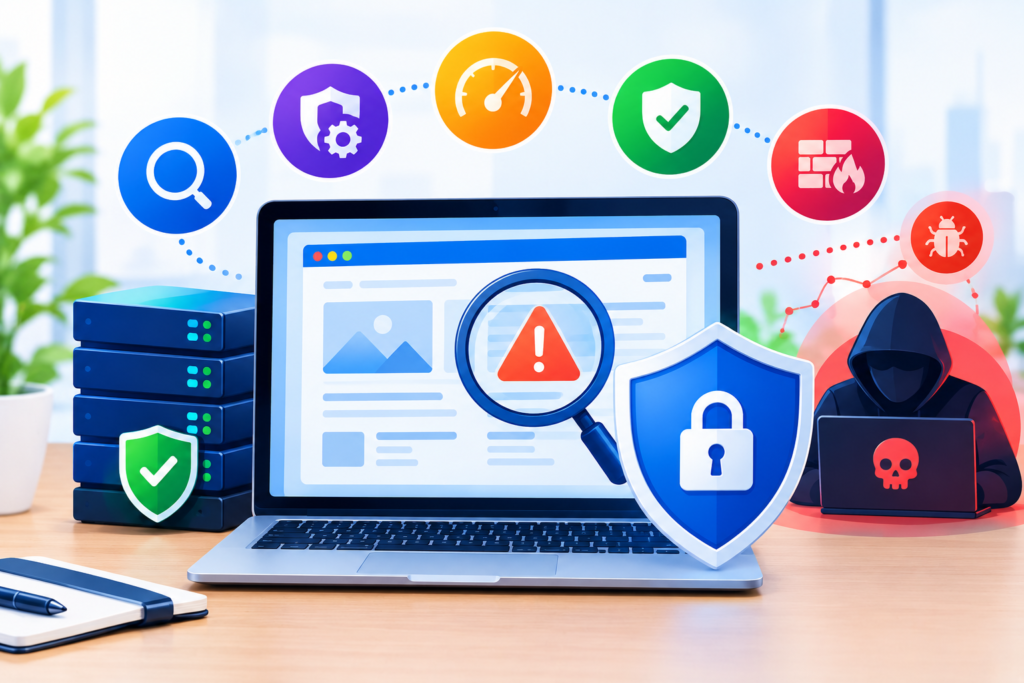
In today’s digital era, Website Vulnerability Check has become a critical aspect for any business, e-commerce platform, or personal website. Cyber threats are evolving at an unprecedented pace, and even a minor loophole in your website’s security can lead to devastating consequences, ranging from data breaches to financial losses. Conducting a thorough website vulnerability check ensures that your online platform is not only protected from malicious attacks but also optimized for performance and reliability. Regular vulnerability scans allow businesses to identify weaknesses, patch security holes, and prevent potential cyberattacks before they escalate into major threats. By understanding the importance of website vulnerability checks, website owners can safeguard sensitive user data, maintain credibility, and comply with cybersecurity regulations. This proactive approach not only boosts trust among clients but also enhances your website’s overall resilience against hackers and malware attacks.
Introduction
At FixHackedSite, we understand the importance of keeping your website secure and functional. A Website Vulnerability Check is more than just a routine inspection; it’s a comprehensive analysis that identifies potential threats, weaknesses, and areas of improvement within your digital infrastructure. Websites today are constantly exposed to sophisticated cyberattacks, making vulnerability assessments a crucial part of website management. These assessments help businesses not only protect sensitive data but also maintain a seamless user experience, which directly impacts traffic, conversions, and brand reputation.
Through our Website Vulnerability Check, we provide an in-depth analysis of your site, covering server vulnerabilities, outdated plugins, weak passwords, SQL injection possibilities, and cross-site scripting risks. The process involves scanning the website, detecting potential loopholes, and providing actionable recommendations to strengthen your security. At FixHackedSite, our approach is thorough, combining the latest cybersecurity tools with expert analysis to ensure your website remains robust against evolving threats. A proactive website vulnerability check empowers website owners to stay ahead of cybercriminals and maintain business continuity, making it an indispensable aspect of digital strategy.
Understanding Website Vulnerabilities
Website vulnerabilities are weaknesses or flaws in a website’s code, configuration, or software that cybercriminals can exploit to gain unauthorized access, steal data, or disrupt services. These vulnerabilities can arise from outdated content management systems, insecure server configurations, weak passwords, or poorly coded applications. Identifying and understanding these vulnerabilities is the first step toward creating a secure website environment.
Most website owners underestimate the complexity and severity of potential vulnerabilities. Simple issues such as outdated plugins or themes can open doors for attackers to infiltrate your website. Advanced threats, on the other hand, may include SQL injection, cross-site scripting, or remote code execution, which can compromise critical data and even take down an entire website. Conducting a website vulnerability check allows businesses to map out all possible entry points that hackers might exploit, creating a comprehensive security roadmap.
Furthermore, understanding website vulnerabilities goes beyond technical knowledge. It requires continuous monitoring, awareness of the latest cyberattack trends, and proper training of personnel responsible for website management. At FixHackedSite, our experts emphasize a holistic approach, combining automated tools and manual inspections to uncover hidden weaknesses. By comprehensively analyzing your website, we ensure that no potential vulnerability goes unnoticed, reinforcing your digital infrastructure against both common and sophisticated cyber threats.
The Importance of Regular Website Vulnerability Checks
A single Website Vulnerability Check is not enough. The cyber landscape evolves rapidly, and new threats emerge every day. Regular vulnerability checks are essential to maintain the integrity, confidentiality, and availability of your website. Routine assessments enable businesses to detect and patch security flaws before attackers can exploit them, minimizing potential damage.
 Beyond security, vulnerability checks also improve website performance. Identifying inefficient scripts, outdated software, and broken configurations can enhance loading speed, reduce downtime, and provide a smoother user experience. Websites that are regularly checked for vulnerabilities also comply with data protection regulations, which can prevent legal consequences and financial penalties. This proactive strategy positions your brand as trustworthy and reliable in the eyes of customers and search engines alike.
At FixHackedSite, we emphasize the importance of scheduling website vulnerability checks at regular intervals. By doing so, you ensure that every component of your website—from backend servers to third-party plugins—is secure and optimized. Continuous monitoring combined with regular vulnerability assessments allows for a dynamic defense system that adapts to new threats, safeguarding your digital presence and fostering user confidence.
Common Types of Website Vulnerabilities
Website vulnerabilities come in many forms, and understanding their types is crucial for a successful Website Vulnerability Check. One of the most common vulnerabilities is SQL Injection, where attackers exploit weak database queries to manipulate or steal sensitive information. Another prevalent risk is Cross-Site Scripting (XSS), allowing malicious scripts to execute in a user’s browser, potentially compromising user accounts and data. Weak passwords and outdated software further increase vulnerability, providing an easy entry point for cybercriminals.
Some vulnerabilities arise from misconfigured servers, which can unintentionally expose sensitive files or administrative controls to unauthorized users. File inclusion vulnerabilities, insecure cookies, and weak authentication mechanisms are other examples. Even trusted third-party plugins or themes can harbor hidden risks if not updated regularly. A website vulnerability check identifies these flaws, offering insights into areas that require immediate attention, ensuring that both website owners and users remain safe from exploitation.
At FixHackedSite, we focus on uncovering hidden vulnerabilities that are often overlooked by automated tools alone. Our Website Vulnerability Check combines manual inspection and advanced scanning techniques, analyzing every layer of your site. By detecting vulnerabilities before attackers do, we help businesses mitigate risks, secure sensitive data, and maintain uninterrupted services. Understanding the variety of potential threats is the first step in creating a resilient digital presence, and our detailed assessments ensure that no weak point goes unnoticed.
Signs Your Website May Be Vulnerable
Many website owners remain unaware of their site’s vulnerabilities until it’s too late. Recognizing early warning signs can save businesses from significant losses. Common indicators include unusually slow website performance, frequent crashes, unexpected redirects, and unauthorized changes to content. These symptoms may suggest a breach or an exploit in progress. Malware warnings or blacklisting by search engines are also red flags, signaling that your website may have been compromised.
Unexpected user complaints, spam content appearing on your website, or suspicious account activity should never be ignored. Hackers often leave subtle traces, such as unauthorized login attempts or changes in server configurations, which may not immediately disrupt normal website functions. These small signs are often the precursors to more severe attacks. Conducting a Website Vulnerability Check can uncover these issues early, allowing website owners to act before they escalate into major problems.
At FixHackedSite, our approach involves proactive monitoring, alerting clients to potential risks even before visible damage occurs. We analyze server logs, check for suspicious activity, and test all website components for weaknesses. By identifying early signs of vulnerability, we ensure that your digital platform remains protected, secure, and reliable. Recognizing these warning signs and acting promptly is crucial to maintaining user trust and safeguarding your online reputation.
Tools Used in Website Vulnerability Checks
Modern Website Vulnerability Checks rely on a combination of automated tools and expert analysis. Popular scanning tools like Nessus, Acunetix, and OpenVAS are widely used to identify known vulnerabilities such as SQL injections, XSS, outdated software, and weak encryption protocols. These tools provide a baseline understanding of a website’s security posture, highlighting areas that require attention.
However, automated tools alone cannot capture all vulnerabilities. Manual inspection remains a vital component of a thorough website vulnerability check, allowing security experts to uncover hidden threats that scanners might miss. For instance, logic flaws, custom code vulnerabilities, or misconfigured APIs often require expert analysis. Combining automated tools with human expertise ensures a more complete security assessment, reducing the chances of leaving critical vulnerabilities unaddressed.
At FixHackedSite, we employ a multi-layered approach to vulnerability detection. Our team integrates advanced scanning software with hands-on inspection techniques, ensuring no aspect of your website is overlooked. By leveraging the best tools and industry practices, we provide clients with comprehensive reports, actionable recommendations, and strategies to fortify their digital assets. This meticulous approach ensures that your website remains secure, efficient, and resilient against evolving cyber threats.
Steps Involved in a Website Vulnerability Check
Conducting a Website Vulnerability Check involves several structured steps to ensure thorough analysis. The first step is a preliminary assessment, which includes gathering information about your website’s architecture, server configurations, installed plugins, and software versions. Understanding the website environment provides the foundation for identifying potential vulnerabilities and creating a targeted assessment strategy.
The second step is vulnerability scanning, which uses automated tools to detect known security flaws. This stage involves testing for common vulnerabilities like SQL injection, XSS, file inclusion vulnerabilities, and weak passwords. Once the initial scan is complete, a manual analysis is conducted to verify findings and identify complex or hidden threats that automated tools may overlook. This combination ensures a comprehensive evaluation of your website’s security.
The final step is reporting and remediation, where all identified vulnerabilities are documented along with actionable recommendations. FixHackedSite goes a step further by helping clients prioritize risks based on severity and providing step-by-step guidance to patch vulnerabilities. By following these steps, website owners can systematically improve their security posture, reduce exposure to attacks, and maintain a robust, reliable online presence.
The Role of Penetration Testing in Vulnerability Checks
Penetration testing, often referred to as pen testing, is a critical component of any Website Vulnerability Check. Unlike automated scans that detect known vulnerabilities, penetration testing involves simulating real-world cyberattacks to evaluate your website’s defenses. Security experts attempt to exploit potential weaknesses, just as a hacker would, to uncover hidden vulnerabilities that could be missed in routine scans. This proactive approach not only identifies vulnerabilities but also assesses the potential impact of an attack, giving website owners a clear picture of their security posture.
Penetration testing covers multiple aspects of a website’s infrastructure, including servers, databases, applications, and user authentication mechanisms. It tests how well your website responds to threats such as SQL injections, cross-site scripting, broken authentication, and sensitive data exposure. The results of a Website Vulnerability Check that includes pen testing help prioritize security improvements based on risk severity. Websites that undergo regular penetration testing are better prepared to defend against evolving cyber threats and can significantly reduce the likelihood of costly breaches.
At FixHackedSite, our penetration testing methodology combines automated tools with expert-led attack simulations. We replicate hacker strategies to identify vulnerabilities before they can be exploited, providing clients with detailed reports and remediation strategies. Incorporating penetration testing into a website vulnerability check ensures a holistic understanding of your website’s security and strengthens your digital defenses against both common and sophisticated cyberattacks.
Impact of Vulnerabilities on SEO and Website Performance
Website vulnerabilities do not just pose a security risk; they also affect SEO performance and overall website functionality. Search engines like Google prioritize websites that are secure and reliable. If your site is vulnerable to malware, spam attacks, or unauthorized content changes, search engines may penalize your rankings, making it harder for users to find your business online. Additionally, frequent downtime caused by security breaches can negatively affect search engine indexing and user experience.
Performance issues are closely linked to vulnerabilities. Malware infections, poorly configured servers, or outdated software can slow down page load times, increase bounce rates, and impact user engagement. Visitors are more likely to abandon a website that is slow or unstable, which directly affects conversions and revenue. Conducting a Website Vulnerability Check helps identify performance bottlenecks caused by security issues, ensuring that your website operates efficiently while remaining secure.
FixHackedSite emphasizes the connection between security and performance. By identifying vulnerabilities that affect SEO and site speed, we help businesses maintain a robust online presence. Addressing security flaws not only protects sensitive data but also enhances user experience and search engine rankings. In today’s competitive digital landscape, regular vulnerability assessments are crucial for maintaining both security and visibility in search results.
Understanding SQL Injection Vulnerabilities
SQL injection (SQLi) is one of the most common and dangerous vulnerabilities discovered during a Website Vulnerability Check. It occurs when attackers exploit improperly sanitized inputs to execute malicious SQL commands, potentially gaining access to sensitive databases. SQL injection can result in data theft, account compromises, and even complete control over a website’s backend systems. This type of vulnerability is particularly critical for e-commerce websites, membership portals, and applications that store sensitive user data.
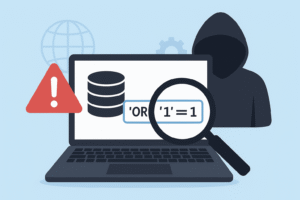 SQL injection often exploits login forms, search bars, or URL parameters. Hackers may manipulate input fields to bypass authentication, retrieve hidden information, or corrupt databases. The consequences of a successful SQLi attack can be severe, leading to financial loss, reputational damage, and legal liabilities. Detecting and mitigating SQL injection vulnerabilities is an essential part of a thorough website vulnerability check, ensuring that all input fields and database queries are properly validated and sanitized.
At FixHackedSite, we implement a combination of automated scanning and manual testing to detect SQL injection risks. We identify vulnerable queries, simulate potential attacks, and provide actionable recommendations to patch weaknesses. By addressing SQL injection vulnerabilities proactively, businesses can secure sensitive information, maintain website integrity, and protect their users from potential data breaches.
Cross-Site Scripting (XSS) and Its Risks
Cross-Site Scripting (XSS) is another prevalent vulnerability that appears during a Website Vulnerability Check. XSS attacks occur when malicious scripts are injected into web pages viewed by other users. This can allow attackers to steal cookies, hijack sessions, deface websites, or redirect visitors to malicious pages. XSS is particularly dangerous because it targets users rather than the website itself, potentially compromising user trust and data security.
XSS can be categorized into three main types: stored, reflected, and DOM-based attacks. Stored XSS involves malicious scripts saved on the server, affecting multiple users. Reflected XSS attacks are delivered via URLs or forms, impacting users who interact with the manipulated input. DOM-based XSS exploits client-side scripts, modifying page behavior without server interaction. Conducting a website vulnerability check ensures all input fields and scripts are tested for XSS weaknesses and properly sanitized.
FixHackedSite combines automated scanning tools with manual testing to uncover XSS vulnerabilities. We simulate attacks, analyze code structures, and provide detailed remediation guidance. Preventing XSS protects users’ sensitive data, preserves website credibility, and enhances overall security posture. Addressing these vulnerabilities is a critical part of maintaining a safe, trustworthy digital environment.
Weak Passwords and Authentication Risks
Weak passwords and insecure authentication mechanisms are often overlooked but pose significant risks in website security. Attackers frequently exploit common passwords, default credentials, and insufficient login protections to gain unauthorized access. This can result in data breaches, website defacement, or unauthorized administrative control. Identifying weak passwords is a key aspect of a Website Vulnerability Check, ensuring that authentication systems are robust and secure.
Modern security practices recommend multi-factor authentication (MFA), complex password requirements, and regular password updates. Additionally, monitoring login attempts and implementing account lockouts after repeated failures can prevent brute-force attacks. These measures not only enhance security but also reassure users that their accounts and personal information are protected.
At FixHackedSite, we assess all authentication mechanisms during our vulnerability checks. We identify weak or compromised credentials, analyze password policies, and recommend stronger security practices. Strengthening authentication systems is crucial to preventing unauthorized access, securing sensitive data, and maintaining user trust across your website.
Remediation Strategies After a Vulnerability Check
Identifying vulnerabilities is only the first step in securing a website. Effective remediation strategies are crucial to ensure your site is protected from potential attacks. Once a Website Vulnerability Check is complete, businesses must prioritize vulnerabilities based on severity, impact, and likelihood of exploitation. High-risk issues such as SQL injections or weak authentication mechanisms should be addressed immediately, while moderate risks like outdated software or misconfigured permissions can be scheduled for timely updates.
Remediation strategies involve multiple approaches, including updating software, patching plugins, strengthening authentication, and applying proper input validation. In addition, server configurations and firewall rules may need adjustment to block potential attack vectors. Businesses should also implement security monitoring tools to continuously observe network activity and detect unusual behavior. A comprehensive strategy ensures that vulnerabilities are addressed efficiently and prevents attackers from exploiting gaps in the system.
At FixHackedSite, our remediation process goes beyond simple fixes. We provide detailed guidance for every identified vulnerability, helping clients implement secure solutions tailored to their website’s unique architecture. Our team ensures that all patches are applied effectively without compromising website performance or user experience. By following a structured remediation strategy, website owners can significantly reduce their exposure to cyber threats and maintain a resilient online presence.
Continuous Monitoring and Maintenance
A Website Vulnerability Check is not a one-time task. Continuous monitoring and maintenance are critical to safeguarding your digital assets against evolving threats. Cybercriminals constantly develop new attack techniques, and vulnerabilities may arise from updates, plugin installations, or changes to server configurations. Ongoing monitoring allows website owners to detect unusual activities early, reducing the likelihood of significant security breaches.
Maintenance involves updating content management systems, plugins, and server software, as well as reviewing user permissions and access controls. Regular backups, integrity checks, and system audits are also essential components of continuous monitoring. Websites that implement ongoing maintenance are better equipped to respond quickly to potential threats, maintaining both security and operational efficiency. Conducting periodic website vulnerability checks complements continuous monitoring, ensuring that no new vulnerabilities go undetected.
FixHackedSite emphasizes proactive monitoring, offering clients comprehensive maintenance services that combine automated alerts with expert analysis. Our approach ensures that vulnerabilities are not only detected but also addressed promptly, preserving website performance, user trust, and business reputation. Continuous vigilance is essential in today’s dynamic cyber landscape, where even minor security lapses can have severe consequences.
The Cost of Ignoring Website Vulnerabilities
Ignoring website vulnerabilities can result in severe financial, operational, and reputational damage. Data breaches, ransomware attacks, and defacement incidents can lead to significant monetary losses, including regulatory fines, legal costs, and lost revenue. Customers are increasingly concerned about data privacy, and a single security incident can erode trust and loyalty, potentially affecting long-term business sustainability.
Vulnerabilities also affect search engine rankings and website performance. Compromised websites may experience downtime, slow loading times, or content manipulation, negatively impacting SEO and user engagement. Businesses that neglect Website Vulnerability Checks risk losing competitive advantage, as secure and reliable websites are increasingly valued by both users and search engines. Prevention through regular vulnerability assessments is far more cost-effective than reacting to a security incident after it occurs.
At FixHackedSite, we highlight the hidden costs of ignoring website vulnerabilities. Our services provide clients with a clear understanding of potential risks and actionable strategies to mitigate them. By conducting timely website vulnerability checks, businesses can safeguard their financial health, maintain operational continuity, and protect brand reputation, making security a strategic investment rather than a reactive expense.
Security Best Practices for Website Owners
Implementing security best practices is essential for maintaining a safe and resilient website. Start with strong password policies, including multi-factor authentication (MFA), complex passwords, and regular updates. Regularly updating all software, plugins, and themes ensures that known vulnerabilities are patched and mitigates exposure to attacks. Proper input validation and secure coding practices prevent SQL injection, cross-site scripting, and other common vulnerabilities.
Access control is another critical aspect of website security. Limiting administrative privileges, regularly reviewing user permissions, and monitoring login attempts helps reduce the likelihood of unauthorized access. Additionally, implementing firewalls, SSL certificates, and encryption protocols protects data during transmission and storage. Combining these best practices with routine Website Vulnerability Checks strengthens your digital defenses and minimizes potential security risks.
FixHackedSite guides website owners in implementing comprehensive security practices tailored to their unique needs. Our team provides recommendations, audits, and continuous monitoring to ensure that best practices are consistently applied. By adhering to security best practices, businesses can maintain trust with users, protect sensitive data, and establish a robust online presence that is resistant to cyber threats.
Future Trends in Website Security
Website security is constantly evolving, and staying ahead of emerging threats is essential. Trends such as artificial intelligence-powered attacks, IoT vulnerabilities, and sophisticated phishing schemes require proactive measures. Automated Website Vulnerability Checks integrated with machine learning algorithms are becoming increasingly important for detecting anomalies and predicting potential risks before they manifest.
 The rise of cloud computing and remote work also introduces new security challenges. Websites must adopt adaptive security measures that protect both internal systems and remote access points. Continuous monitoring, behavioral analytics, and zero-trust architectures are expected to dominate future security strategies, ensuring websites remain resilient against ever-evolving cyber threats. Conducting website vulnerability checks regularly ensures that these advanced threats are identified and mitigated in time.
At FixHackedSite, we anticipate emerging trends and incorporate forward-looking security practices into our assessments. By understanding future threats and preparing in advance, businesses can maintain a competitive advantage while protecting sensitive data. Staying informed and proactive is the key to long-term website security in an increasingly complex digital environment.
Conclusion
In conclusion, conducting a comprehensive Website Vulnerability Check is essential for any business or website owner. Cyber threats are continually evolving, and a single overlooked vulnerability can lead to data breaches, financial losses, and reputational damage. Regular assessments, penetration testing, and proactive remediation strategies ensure that websites remain secure, performant, and trusted by users.
At FixHackedSite, we specialize in thorough Website Vulnerability Checks, combining automated scanning tools with expert manual analysis to uncover both obvious and hidden risks. Our team provides actionable recommendations, remediation strategies, and continuous monitoring solutions, helping businesses maintain robust digital defenses. Implementing security best practices, staying informed about emerging threats, and addressing vulnerabilities promptly are critical steps in maintaining a resilient online presence.
By prioritizing website security and investing in regular Website Vulnerability Checks, businesses can protect sensitive data, enhance user trust, improve SEO performance, and prevent costly breaches. At FixHackedSite, we empower website owners to take control of their security, ensuring their digital platforms remain reliable, safe, and future-ready in a constantly evolving cyber landscape.