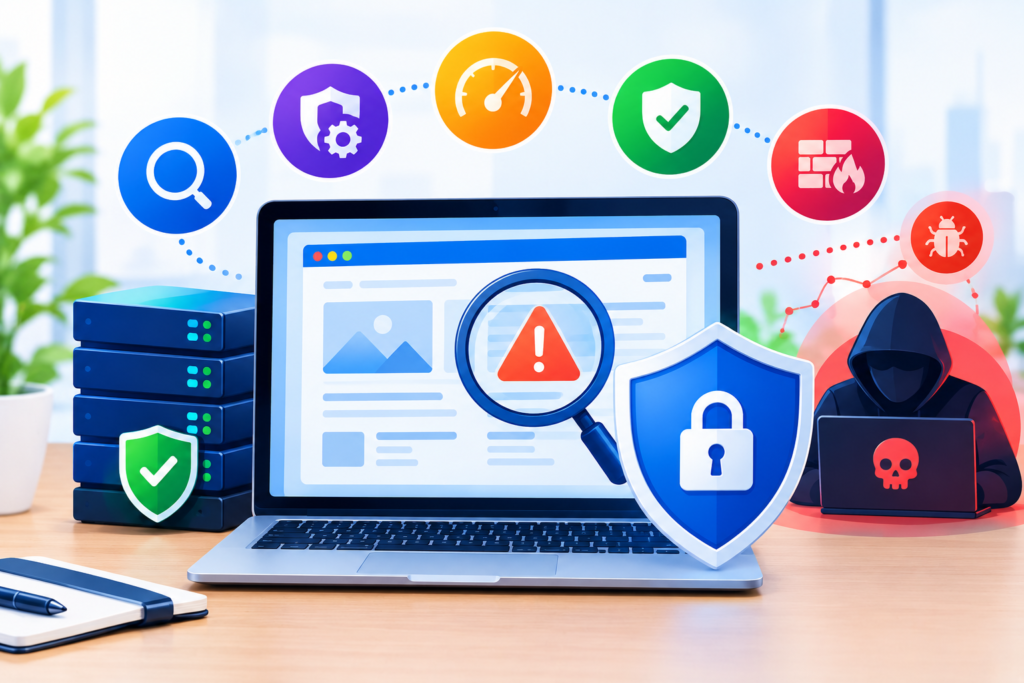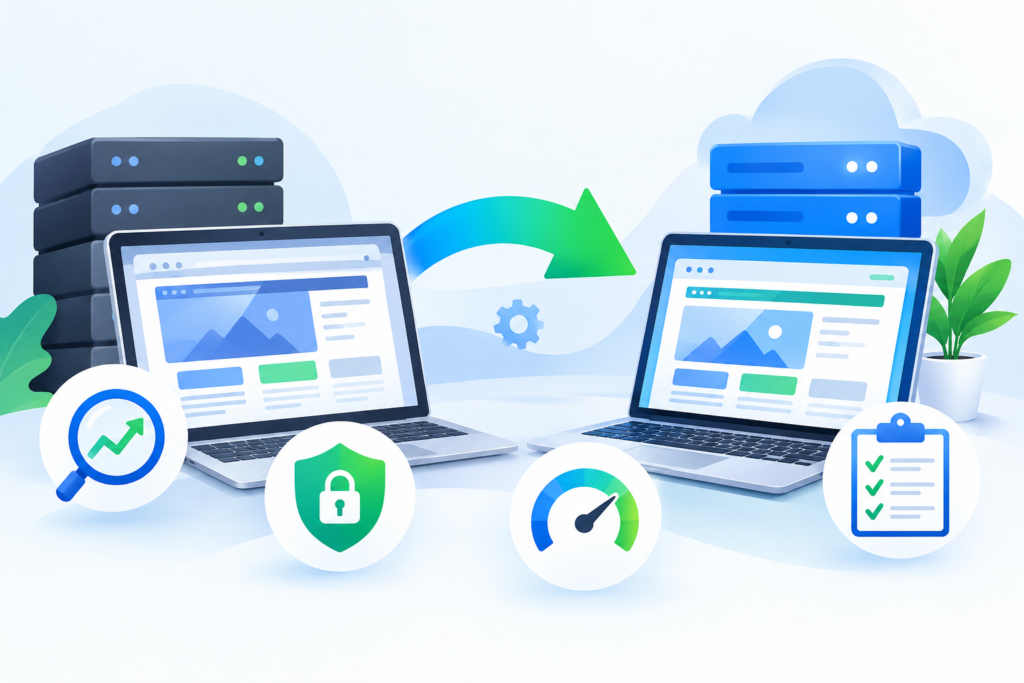
In today’s digital age, having a website is not enough — securing it is what truly matters. A Website Vulnerability Check is an essential process that helps detect potential security flaws, weak points, and exploitable areas that hackers can use to compromise your site. By regularly performing a Website Vulnerability Check, businesses can safeguard sensitive data, protect their reputation, and ensure uninterrupted online performance. This process identifies loopholes before cybercriminals can exploit them, making it one of the most crucial aspects of modern website maintenance. Whether you’re running an e-commerce store, a blog, or a corporate website, staying proactive with your Website Vulnerability Check is the key to long-term digital safety.
Introduction
In the ever-evolving world of technology, maintaining website security has become more critical than ever. Every website, regardless of size or purpose, is a potential target for hackers seeking to exploit vulnerabilities for malicious gain. From stealing personal data to injecting malware, cybercriminals continuously search for weaknesses that can compromise a site’s integrity. This is where a Website Vulnerability Check plays a pivotal role. It acts as your first line of defense, scanning your entire system for potential entry points and offering solutions to close those gaps before an attack occurs.
At FixHackedSite, our mission revolves around helping website owners detect and resolve such vulnerabilities efficiently and effectively. We understand that even a minor vulnerability can lead to severe consequences — from downtime and data breaches to SEO penalties. A comprehensive Website Vulnerability Check ensures that your website remains resilient, compliant, and trustworthy. This process not only strengthens your website’s security posture but also builds customer confidence, knowing that their information is safe and secure.
In the following sections, we’ll explore every critical aspect of the Website Vulnerability Check — from its importance and techniques to tools and prevention methods. By the end of this guide, you’ll have a complete understanding of how to secure your website from potential threats and keep it performing at its best.
Understanding Website Vulnerabilities
A website vulnerability refers to a weakness in a website’s code, configuration, or framework that can be exploited by attackers. These vulnerabilities are like open doors that hackers can use to gain unauthorized access, steal sensitive data, or inject malicious code. Understanding what causes these vulnerabilities is the first step toward securing your online presence. In most cases, vulnerabilities arise from outdated software, poor coding practices, weak authentication systems, or misconfigured servers. Each of these issues can create opportunities for attackers to compromise your website’s integrity.
 When a Website Vulnerability Check is performed, it systematically analyzes every component of your website to identify such flaws. It examines scripts, plugins, APIs, and even third-party integrations that might expose your system to risks. This process helps website administrators understand not just where the weaknesses are but also how they can be fixed effectively. A thorough scan also provides detailed reports that highlight the severity of each issue, allowing developers to prioritize their responses accordingly.
By understanding website vulnerabilities, businesses can take proactive steps to eliminate threats before they escalate. Knowledge is power, and in cybersecurity, awareness is the foundation of protection. A comprehensive Website Vulnerability Check offers that awareness — giving you the insight needed to maintain a secure and stable digital environment.
The Importance of Regular Website Vulnerability Checks
Performing a Website Vulnerability Check once is not enough — it must be an ongoing process. As technology advances, so do hacking techniques. New vulnerabilities are discovered daily, and without consistent scanning, your website could become vulnerable overnight. Regular checks help you stay ahead of attackers by ensuring that your site’s security measures are up to date. Ignoring these scans could mean allowing unknown weaknesses to persist, putting your data and users at risk.
The importance of regular Website Vulnerability Checks also extends to compliance and reputation management. Many industries have strict data protection regulations such as GDPR or PCI-DSS, which require organizations to maintain a secure online environment. Regular checks help ensure compliance, preventing costly legal penalties and preserving trust among your audience. A single security breach can damage a brand’s image beyond repair — something no business can afford.
Moreover, continuous vulnerability assessments help optimize your website’s performance. By identifying issues like insecure code or outdated plugins, you can improve both speed and functionality. In short, regular Website Vulnerability Checks serve as both a security measure and a performance enhancement strategy, ensuring your website operates safely and efficiently at all times.
Common Types of Website Vulnerabilities
Every website, no matter how small or large, is prone to various types of vulnerabilities. Understanding the most common ones is essential to performing an effective Website Vulnerability Check. Among the most prevalent vulnerabilities are SQL injections, cross-site scripting (XSS), cross-site request forgery (CSRF), and file inclusion attacks. These types of weaknesses occur due to improper validation of user input or misconfigured web servers. Hackers exploit these issues to manipulate website databases, access private data, or control site functionalities. Without a proper scanning and remediation process, these vulnerabilities can cause severe damage, often leading to data loss or service downtime.
Another common category is broken authentication and session management. Weak password policies, missing security tokens, or outdated authentication methods can allow attackers to impersonate users and gain unauthorized access. Similarly, insecure plugins or themes in popular CMS platforms like WordPress often serve as open gateways for attackers. A thorough Website Vulnerability Check helps identify these weaknesses by analyzing each component and configuration in your site. It evaluates input validation, script permissions, server headers, and more to ensure no security gap is left unchecked.
Understanding these vulnerabilities helps in creating stronger defenses. Once identified, developers can patch, update, or remove the weak elements before hackers can exploit them. Regular monitoring also ensures that new vulnerabilities are detected quickly. Ultimately, awareness of these common threats — paired with consistent Website Vulnerability Checks — ensures that your website remains secure, trustworthy, and protected from both known and emerging cyber threats.
How a Website Vulnerability Check Works
A Website Vulnerability Check works by scanning your website’s code, configuration, and infrastructure to detect weaknesses that hackers could exploit. The process typically begins with automated scanning tools that perform deep crawls of your website, analyzing every page, link, and form for potential vulnerabilities. These tools simulate real-world attacks to identify issues like weak encryption, insecure communication channels, and outdated software versions. The scan results are then compiled into detailed reports highlighting the detected vulnerabilities, their severity levels, and recommendations for fixing them.
In addition to automated scanning, manual testing is often conducted by cybersecurity professionals. Manual testing goes beyond automated results, focusing on complex vulnerabilities that scanners may overlook. Security experts test the website’s business logic, authentication mechanisms, and third-party integrations. This combination of automated and manual testing ensures that both common and sophisticated threats are detected. The depth of this process provides website owners with a complete overview of their site’s security posture.
Once the vulnerabilities are identified, developers and administrators can take corrective action. Patching, configuration changes, and updating third-party extensions are common next steps. Continuous monitoring and re-scanning ensure that previously detected vulnerabilities do not reappear. The Website Vulnerability Check process is not just about finding flaws but also about building a proactive defense strategy that keeps evolving alongside cyber threats. When performed regularly, it transforms your website from being a potential target into a secure, trusted online platform.
Tools Used for Website Vulnerability Checks
When it comes to performing a Website Vulnerability Check, several powerful tools are available to automate and simplify the process. Tools such as Nessus, OpenVAS, Burp Suite, and QualysGuard are among the most popular choices used by security professionals worldwide. These tools perform in-depth analysis of websites, identifying flaws such as SQL injections, XSS attacks, and outdated software versions. They also generate detailed vulnerability reports that classify each issue according to its severity. Automated scanners are efficient because they can analyze large websites quickly, making them ideal for organizations with extensive digital infrastructures.
However, no single tool can detect every vulnerability. Therefore, professionals often combine multiple tools for better accuracy. For example, Burp Suite might detect web-based vulnerabilities, while Nessus can identify network-level issues. Tools like WPScan are designed specifically for WordPress websites, helping identify insecure plugins, weak passwords, and outdated core files. Each tool serves a distinct purpose, and together they create a multi-layered security assessment. A comprehensive Website Vulnerability Check integrates the results of all these tools, ensuring that every potential weakness is addressed.
While these tools are highly effective, human expertise remains irreplaceable. Automated scans can produce false positives or miss logical flaws that only a skilled analyst can detect. Therefore, combining advanced tools with expert analysis offers the best protection. Whether you’re managing a small business site or a large enterprise application, using the right mix of tools ensures that your Website Vulnerability Check delivers accurate, actionable results that strengthen your website’s overall security.
The Role of Penetration Testing in Website Security
While a Website Vulnerability Check identifies weaknesses, penetration testing (or ethical hacking) takes it a step further by actively attempting to exploit those vulnerabilities in a controlled environment. This method helps determine how severe the risks truly are and what kind of damage could occur if a real attack took place. Penetration testing simulates real-world cyberattacks on your website, allowing experts to evaluate how well your security defenses can withstand them. The results of such tests help in refining security strategies and patching vulnerabilities that may have been overlooked during regular scans.
Unlike automated vulnerability scans, penetration testing is a hands-on, manual process performed by cybersecurity professionals who think like hackers. They use specialized tools and custom scripts to test every possible entry point. The main goal is to assess how deep an attacker could penetrate your system before being detected or stopped. This approach provides a realistic understanding of your site’s resistance to cyber threats. In many cases, penetration testing uncovers hidden vulnerabilities that automated tools fail to identify, such as logical flaws or privilege escalation issues.
The insights gained from penetration testing are invaluable for enhancing your security framework. Once weaknesses are exposed, developers can implement stronger authentication, encryption, and monitoring systems. A Website Vulnerability Check combined with penetration testing provides a full-spectrum view of your website’s defense mechanisms. Together, these methods ensure that your website is not only protected against known threats but also resilient against emerging ones that target new technologies and frameworks.
Benefits of Conducting a Website Vulnerability Check
Conducting a Website Vulnerability Check offers numerous advantages that go beyond basic website protection. The primary benefit is the early detection of security flaws before hackers can exploit them. By identifying weaknesses proactively, businesses can implement patches and configuration fixes to strengthen their websites. This proactive approach reduces the risk of data breaches, server downtime, or malware infections. The insights gained from a detailed vulnerability report also empower website owners to make informed decisions about their cybersecurity infrastructure. It ensures that every element of the site, from plugins to database connections, adheres to best security practices.
Another major advantage of regular Website Vulnerability Checks is compliance with international security standards and regulations. Industries that handle customer data, such as finance, healthcare, and e-commerce, must comply with frameworks like GDPR, HIPAA, and PCI DSS. Failure to comply can lead to legal consequences and heavy fines. Regular vulnerability scanning and remediation ensure compliance by addressing potential weaknesses that could expose sensitive data. This not only protects the business legally but also helps build credibility among customers who trust brands that prioritize their digital safety.
Lastly, a Website Vulnerability Check enhances overall website performance and reliability. Vulnerable code or unpatched components can slow down your website and create instability. By addressing these issues, the website operates smoothly and more efficiently. Moreover, a secure website positively impacts search engine rankings since Google favors sites with strong security signals like HTTPS and malware-free pages. The cumulative effect of these benefits is a resilient, fast, and trustworthy website that promotes user confidence and protects business continuity.
How Vulnerabilities Impact SEO and Online Reputation
Many website owners underestimate how deeply vulnerabilities can affect their SEO performance and online reputation. When a site is compromised, it can experience malware injections, phishing pages, or spammy redirects that degrade user experience and trust. Search engines like Google actively scan for such threats, and if detected, they immediately flag or deindex the compromised website. This leads to a sharp drop in search visibility, organic traffic, and credibility. In severe cases, a “This site may be hacked” warning appears in search results, discouraging visitors from clicking your link. Once this happens, it can take months of recovery and cleanup before search rankings stabilize again.
A compromised website doesn’t just affect SEO; it damages your brand’s image. Visitors expect a safe browsing experience, and once trust is broken, it’s challenging to regain. Customers who encounter suspicious pop-ups, malicious downloads, or redirects are less likely to return. The longer the vulnerability remains unaddressed, the more damage it causes — both in terms of SEO and brand perception. Conducting regular Website Vulnerability Checks helps prevent this by ensuring that your site remains free from infections and safe for users. Clean websites load faster, perform better, and rank higher, creating a positive loop of growth and trust.
Furthermore, security is now a recognized ranking factor in major search engines. Sites using HTTPS encryption and clean coding practices perform better in search results. Vulnerabilities such as mixed content, weak SSL certificates, or outdated plugins can all hinder SEO performance. By implementing consistent Website Vulnerability Checks, you not only protect your site but also maintain and enhance your SEO authority. A secure and optimized website sends a strong signal to search engines that your platform is trustworthy and worth ranking higher.
The Connection Between CMS Platforms and Website Security
Content Management Systems (CMS) like WordPress, Joomla, Drupal, and Magento have revolutionized website creation, making it easier for anyone to build and manage a site. However, their popularity also makes them prime targets for cyberattacks. Most CMS platforms rely heavily on plugins, themes, and third-party integrations — and this ecosystem introduces multiple points of vulnerability. Outdated themes, unverified plugins, and weak administrative settings often become gateways for hackers. A comprehensive Website Vulnerability Check for CMS-based sites focuses on identifying these specific weaknesses to prevent exploitation.
 For example, in WordPress, a single outdated plugin can expose the entire website to attack. Hackers often exploit known vulnerabilities in older plugin versions to inject malicious code or gain admin-level access. Similarly, in platforms like Joomla or Drupal, insecure configurations or weak file permissions can allow unauthorized users to modify site data. A Website Vulnerability Check tailored for CMS systems performs deep scans into the core files, database connections, and configuration settings. It ensures that every part of your CMS environment is hardened against potential threats.
To maintain strong CMS security, regular updates, strong authentication measures, and restricted plugin installations are essential. However, even with these practices, vulnerabilities can arise unexpectedly due to new software updates or third-party code issues. That’s why running consistent Website Vulnerability Checks is a must for CMS-based websites. These checks keep your system aligned with the latest security standards and ensure that your site remains both functional and safe for users. A well-secured CMS not only enhances protection but also provides peace of mind that your digital assets are fully safeguarded.
Understanding Third-Party Risks in Website Security
Modern websites often depend on a wide range of third-party services such as analytics tools, advertising networks, chatbots, payment gateways, and social media plugins. While these integrations enhance user experience, they also introduce potential risks. Every third-party service you connect to your site increases your attack surface — meaning more potential entry points for hackers. If one of these services is compromised, your website can be indirectly affected. A proper Website Vulnerability Check assesses these external connections to ensure they don’t pose a threat to your site’s security or data integrity.
Third-party scripts can unknowingly load malicious code, redirect users to harmful websites, or collect sensitive data without authorization. This type of attack, known as a supply chain attack, has become increasingly common. Hackers target trusted third-party vendors rather than the websites themselves because compromising one service can impact thousands of sites at once. Therefore, monitoring and verifying the integrity of every integration is crucial. During a Website Vulnerability Check, auditors evaluate API calls, embedded scripts, and plugin connections for signs of tampering or unsafe data transfer.
Mitigating third-party risks requires a careful balance between convenience and security. Regular updates, strict permission controls, and verified vendor sources reduce potential vulnerabilities. Businesses should also review and limit unnecessary external connections. By integrating thorough Website Vulnerability Checks into your security strategy, you can ensure that every external link, plugin, and script functions safely. This proactive approach shields your website from indirect attacks and preserves the overall trustworthiness of your digital environment.
The Role of SSL Certificates in Website Security
An SSL (Secure Sockets Layer) certificate is one of the most vital components of a secure website. It encrypts the communication between the server and the user’s browser, preventing hackers from intercepting sensitive information such as passwords, credit card numbers, or personal details. When a website uses SSL, the URL begins with “https://” instead of “http://,” and a padlock icon appears in the address bar — clear indicators of a safe browsing environment. During a Website Vulnerability Check, one of the first things security experts look for is whether SSL is properly installed, configured, and renewed. Without SSL, data transmitted between your site and visitors remains unprotected, making it vulnerable to interception or modification.
Beyond encryption, SSL certificates play an essential role in establishing trust and boosting SEO performance. Search engines like Google give ranking preference to websites with HTTPS encryption, rewarding them for prioritizing security. Additionally, modern browsers now flag non-HTTPS websites as “Not Secure,” which can scare away visitors. This affects user trust, conversion rates, and brand credibility. Therefore, an SSL certificate is not only a security measure but also a key factor in user experience and digital reputation. A comprehensive Website Vulnerability Check ensures that your SSL certificate is valid, up to date, and configured to the highest security standards such as TLS 1.3.
However, having an SSL certificate alone is not enough. Misconfigured SSL settings, outdated encryption protocols, or mixed content errors can still pose risks. That’s why regular validation through Website Vulnerability Checks is critical. These checks identify weak ciphers, expired certificates, and improper installations. By addressing these issues promptly, website owners can guarantee encrypted and safe data transfers for all users. In essence, SSL forms the backbone of website security, and a proper vulnerability assessment ensures that this foundation remains strong and uncompromised.
Common Website Configuration Mistakes That Lead to Vulnerabilities
A website’s configuration settings have a huge impact on its overall security posture. Unfortunately, misconfigurations are among the most common causes of website vulnerabilities. These occur when servers, databases, or applications are not set up according to security best practices. Examples include open directory listings, exposed error messages, default admin credentials, or improperly set file permissions. During a Website Vulnerability Check, these configuration errors are thoroughly inspected and flagged for correction. Left unaddressed, they can give attackers easy access to your website’s backend, allowing them to extract sensitive data or alter system files.
Another major configuration mistake is failing to restrict access to administrative panels and server files. Many website owners leave their admin URLs predictable, such as “/admin” or “/wp-admin,” making them easy targets for brute-force attacks. Similarly, not limiting failed login attempts or neglecting IP whitelisting leaves the door open for repeated intrusion attempts. A proper Website Vulnerability Check analyzes these aspects and ensures that all critical directories are protected through strong authentication and access control measures. The configuration of your Content Management System, hosting environment, and DNS records also comes under review, as they all play a part in maintaining a secure web ecosystem.
Even minor misconfigurations can lead to devastating consequences. For instance, an exposed backup file or open port can allow hackers to gain full access to your data. The best way to avoid these issues is through consistent monitoring and updates. Regular Website Vulnerability Checks ensure that all server and application configurations remain aligned with security standards. Correcting configuration flaws not only blocks potential attackers but also improves your website’s efficiency and stability. In cybersecurity, prevention is always better than cure — and configuration management is one of the most effective ways to stay safe.
Importance of Server-Side Security in Website Protection
When people think of website security, they often focus on front-end aspects like SSL or CMS plugins. However, server-side security is equally — if not more — important. The server is the heart of your website; if it’s compromised, your entire digital infrastructure is at risk. Website Vulnerability Checks evaluate the server environment in detail, looking for weak points such as open ports, outdated operating systems, or unsecured network configurations. Hackers frequently exploit these vulnerabilities to gain root access, modify system files, or deploy malware. By identifying and fixing server-side flaws early, businesses can protect themselves from severe data breaches and service disruptions.
A strong server security strategy includes regularly updating server software, applying security patches, and monitoring for unauthorized access attempts. Firewalls, intrusion detection systems (IDS), and Secure Shell (SSH) configurations further enhance protection. During a Website Vulnerability Check, these components are examined to ensure that they are properly implemented and functioning as intended. Misconfigured servers often reveal sensitive information through error logs or directory listings, providing hackers with clues to exploit weaknesses. Therefore, server hardening — the process of securing server components — is a critical part of the vulnerability assessment.
The benefits of investing in server-side security extend beyond just protection. A secure server enhances website speed, uptime, and reliability. Visitors experience smoother navigation without interruptions caused by malware or unauthorized activities. Additionally, web hosting providers that enforce strict server security policies build trust with their clients. A properly executed Website Vulnerability Check ensures that your server infrastructure remains robust, up to date, and capable of defending against modern cyber threats. This behind-the-scenes security layer is the invisible shield that keeps your website safe, stable, and dependable.
How to Interpret and Act on Website Vulnerability Reports
After completing a Website Vulnerability Check, the next critical step is understanding and acting upon the results. Vulnerability reports typically list detected issues, their severity levels (low, medium, high, or critical), and suggested remediation steps. However, not every website owner knows how to interpret these technical details. The first step is to review and prioritize vulnerabilities based on their severity. High and critical issues — such as SQL injections, outdated software, or open admin access — should be fixed immediately. Lower-severity issues, like minor configuration errors, can be addressed later but should never be ignored.
Acting on these reports requires collaboration between website administrators, developers, and cybersecurity experts. For instance, a developer might handle patching insecure code, while an administrator secures server permissions or updates firewalls. Many businesses make the mistake of performing a vulnerability check and stopping there, without actually applying the fixes. A proper security routine involves re-scanning after fixes to confirm that vulnerabilities have been successfully resolved. This follow-up ensures that the website remains secure and that the same issues do not reappear after system updates.
Regularly analyzing and acting on vulnerability reports builds a strong foundation for continuous website protection. Over time, patterns may emerge, revealing recurring weaknesses in your code or configurations. Addressing these root causes improves long-term security resilience. A Website Vulnerability Check is only as effective as the actions taken afterward. Treat each report as a guide for improvement, not just a list of problems. By doing so, website owners can transform vulnerabilities into opportunities for fortification and growth, ensuring lasting digital safety and reliability.
The Cost of Ignoring Website Vulnerabilities
Ignoring website vulnerabilities can have devastating financial, operational, and reputational consequences. When a website remains unprotected or outdated, it becomes a prime target for cybercriminals looking to exploit weaknesses. The cost of a single data breach can run into thousands or even millions of dollars, depending on the scale of the attack and the nature of the data compromised. Businesses may also face lawsuits, fines, and loss of revenue as customers lose trust in the brand. A compromised website can lead to downtime, loss of critical data, and expensive recovery efforts that could have been easily avoided through regular Website Vulnerability Checks.
In addition to financial losses, the long-term impact on reputation is often far worse. Once a company’s website is hacked, regaining the trust of customers becomes extremely challenging. Negative publicity spreads quickly across social media and search engines, damaging the brand image. Search engines may blacklist infected websites, removing them from search results entirely until they are cleaned and verified as safe. This results in significant traffic loss and a drop in search rankings. By performing regular Website Vulnerability Checks, businesses can prevent such incidents, maintaining both their credibility and visibility online.
Furthermore, neglecting vulnerabilities can affect your business’s compliance with international cybersecurity regulations such as GDPR or PCI DSS. Non-compliance can result in heavy fines and potential legal actions. The reality is that prevention costs far less than recovery. Regular vulnerability assessments, timely patching, and a proactive approach to security can save businesses from financial and operational ruin. Conducting Website Vulnerability Checks isn’t just an IT task — it’s a crucial business investment that protects your brand, data, and customers from the costly consequences of cyberattacks.
The Future of Website Security and Vulnerability Management
As technology evolves, so do the tactics used by cybercriminals. The future of website security will rely heavily on automation, artificial intelligence (AI), and machine learning. These technologies are capable of detecting patterns, predicting attacks, and identifying new types of vulnerabilities faster than traditional methods. Future Website Vulnerability Checks will become smarter, more efficient, and integrated with real-time monitoring systems that continuously scan and protect websites. This proactive model will replace the traditional periodic scanning approach, allowing businesses to address threats as they arise instead of after the damage is done.
Another significant trend shaping the future of website security is zero-trust architecture. This approach assumes that no user, device, or connection can be trusted by default — whether internal or external. Every access attempt is verified and authenticated, ensuring maximum protection. Implementing zero-trust principles will become a standard practice across organizations that value data security. Similarly, the use of blockchain for secure data validation and storage is expected to grow, providing an additional layer of transparency and immutability in online transactions. Regular Website Vulnerability Checks will incorporate these new frameworks to ensure full compliance with next-generation standards.
Additionally, with the increasing number of Internet of Things (IoT) devices, websites will face new security challenges. The interconnected nature of devices means vulnerabilities in one system can compromise multiple others. Future vulnerability management will focus on comprehensive digital ecosystems, not just individual websites. Staying ahead of evolving threats requires adapting to new technologies, automating detection systems, and maintaining a proactive mindset. A forward-looking Website Vulnerability Check ensures that your website remains resilient in a rapidly changing digital world.
Building a Continuous Website Monitoring and Security System
One of the most effective ways to maintain website safety is through continuous monitoring. Instead of waiting for scheduled vulnerability scans, continuous monitoring provides real-time insights into your website’s security health. It detects unusual activity, suspicious logins, or unauthorized code changes the moment they occur. Integrating continuous monitoring into your Website Vulnerability Check strategy helps reduce response times and limits the damage caused by cyber incidents. This proactive defense ensures that vulnerabilities are detected and patched immediately, keeping your website consistently secure.
 To build an effective monitoring system, automation and integration are key. Using AI-driven security tools that monitor server logs, file integrity, and user behavior enables instant detection of potential threats. Alerts can be configured to notify administrators whenever an anomaly occurs, ensuring swift action. Continuous monitoring also allows for regular performance assessments, keeping your website optimized while safeguarding it from attacks. The integration of this system with Website Vulnerability Checks forms a powerful combination that guarantees maximum protection around the clock.
The long-term advantage of continuous monitoring is peace of mind. Instead of reacting to breaches, businesses can prevent them before they happen. Continuous scanning reduces false positives, enhances detection accuracy, and ensures that no security lapse goes unnoticed. By investing in real-time monitoring, companies create a resilient digital ecosystem that evolves with threats. In today’s dynamic cyber landscape, combining Website Vulnerability Checks with continuous monitoring is not just recommended — it’s essential for long-term online safety.
Why You Should Hire Professionals for Website Vulnerability Checks
While there are many free and automated tools available for vulnerability scanning, hiring professional cybersecurity experts offers unparalleled accuracy and depth. Professionals bring specialized knowledge, experience, and access to premium tools that go beyond surface-level analysis. They can identify complex vulnerabilities that automated tools often miss, such as logic flaws, authentication bypasses, or server misconfigurations. A professional Website Vulnerability Check is a holistic process that evaluates your site’s code, architecture, and third-party integrations to ensure every component meets the highest security standards.
Professional services also provide customized solutions based on your website’s infrastructure and business model. They don’t just detect vulnerabilities — they help remediate them effectively. Whether you’re running a small blog, an enterprise-level platform, or an e-commerce store, experts can tailor their approach to your specific needs. Additionally, they provide detailed reports, follow-up scans, and ongoing consultation to maintain a secure environment. These professionals stay updated with the latest cyber threats, attack patterns, and compliance regulations, ensuring your website remains ahead of evolving risks.
In the digital age, relying solely on automated scans is no longer sufficient. Cyber threats are more advanced, and a single overlooked vulnerability can result in devastating consequences. Hiring experts for Website Vulnerability Checks ensures that no stone is left unturned in safeguarding your website. Professional intervention transforms vulnerability management from a basic routine into a comprehensive cybersecurity strategy. By leveraging professional expertise, businesses gain confidence knowing that their digital assets are being protected by the best in the field.
Conclusion
In conclusion, a Website Vulnerability Check is not merely a technical task — it’s a strategic necessity for every business that values security, reputation, and growth. Cyber threats continue to evolve daily, and websites that fail to keep up are left exposed to attacks that can cripple operations. Conducting regular vulnerability checks helps you stay one step ahead of hackers by detecting, analyzing, and fixing weaknesses before they are exploited. It ensures that your site runs smoothly, remains compliant with industry standards, and provides a safe experience for every visitor.
At FixHackedSite, we specialize in protecting websites from cyber threats through expert vulnerability assessments, malware removal, and continuous monitoring services. Our goal is to empower website owners with the tools and insights they need to maintain complete digital security. Whether you run a personal blog or a large-scale business platform, our professional services are designed to safeguard your online presence 24/7.
By prioritizing regular Website Vulnerability Checks, you’re not just protecting data — you’re protecting trust, credibility, and the future of your brand. The cost of prevention is minimal compared to the damage caused by a single breach. Stay proactive, stay secure, and let FixHackedSite be your partner in achieving complete website protection.