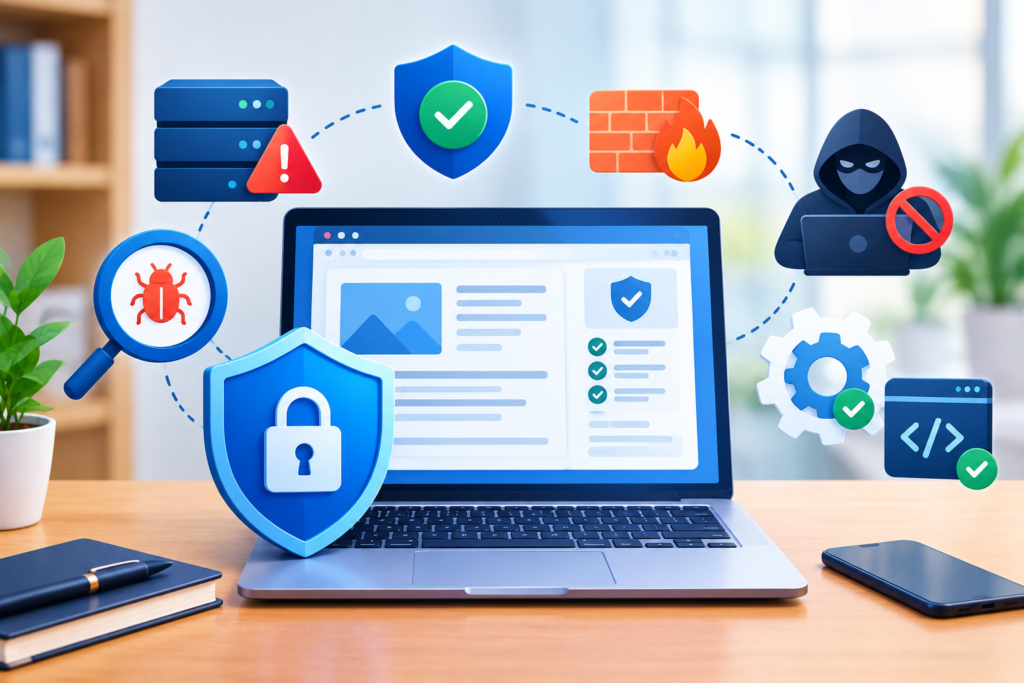
Website Vulnerability explained in-depth: discover risks, prevention strategies, and advanced security techniques to protect your site from cyber threats and improve overall resilience.
Introduction
In today’s hyper-connected digital landscape, website vulnerability is no longer a niche technical concern—it is a critical business risk. Whether you run a small blog, an eCommerce platform, or a corporate website, vulnerabilities can expose sensitive data, disrupt operations, and damage trust. Cyber attackers are constantly evolving their techniques, targeting weak points in websites that lack proper security measures.
At its core, a website vulnerability is a flaw or weakness in a system that can be exploited to gain unauthorized access or perform malicious actions. These vulnerabilities can exist in code, server configurations, third-party plugins, or even human behavior. Understanding these risks is the first step toward building a resilient and secure online presence.
At FixHackedSite, we understand how devastating a compromised website can be. That’s why this guide is designed to provide deep, actionable insights into identifying, managing, and preventing vulnerabilities—ensuring your website remains secure, trustworthy, and aligned with modern best practices.
Understanding Website Vulnerability: Definition and Core Concepts
A website vulnerability refers to any weakness within a web application, server, or system that can be exploited by attackers. These weaknesses may arise from poor coding practices, outdated software, misconfigurations, or lack of proper security controls. Understanding the fundamental nature of vulnerabilities is essential for building a proactive security strategy.
From a technical standpoint, vulnerabilities are often categorized based on how they can be exploited. Common types include injection flaws, cross-site scripting (XSS), broken authentication, and insecure direct object references. Each of these represents a unique attack vector, but they all share one common trait: they allow unauthorized access or manipulation of data.
What makes vulnerabilities particularly dangerous is their silent nature. Many website owners are unaware of their existence until an attack occurs. This is why regular monitoring, scanning, and auditing are crucial. By adopting a proactive approach, businesses can identify and fix vulnerabilities before they are exploited, significantly reducing risk exposure.
Types of Website Vulnerabilities You Must Know
Website vulnerabilities come in many forms, each posing unique risks to your digital assets. One of the most common is SQL Injection, where attackers manipulate database queries to gain access to sensitive information. Another widely exploited vulnerability is Cross-Site Scripting (XSS), which allows attackers to inject malicious scripts into web pages viewed by users.
Another critical category is Cross-Site Request Forgery (CSRF), where attackers trick users into performing unintended actions. Additionally, file inclusion vulnerabilities can allow attackers to execute malicious files on a server. These vulnerabilities often stem from improper input validation and insecure coding practices.
Understanding these types is essential because each requires a different mitigation strategy. For example, preventing SQL injection involves parameterized queries, while XSS requires proper output encoding. A comprehensive security approach must address all potential vulnerability types to ensure complete protection.
Causes of Website Vulnerabilities
Website vulnerabilities do not appear randomly—they are usually the result of specific underlying issues. One of the primary causes is outdated software, including CMS platforms, plugins, and server components. Developers often release updates to fix known security flaws, and failing to apply these updates leaves your website exposed.
Another major cause is poor coding practices. Developers who do not follow secure coding standards may inadvertently introduce vulnerabilities into the application. This includes improper input validation, lack of error handling, and insecure authentication mechanisms. These issues can be exploited by attackers to gain unauthorized access.
Human error also plays a significant role. Weak passwords, improper permissions, and lack of awareness can all contribute to security weaknesses. Addressing these causes requires a combination of technical measures and user education, ensuring that both systems and people are aligned with security best practices.
Impact of Website Vulnerabilities on Businesses
The consequences of website vulnerabilities can be severe and far-reaching. One of the most immediate impacts is data breaches, where sensitive customer or business information is exposed. This can lead to financial losses, legal penalties, and reputational damage.
Another significant impact is downtime. When a website is compromised, it may be taken offline to mitigate the attack or recover from damage. This results in lost revenue and disrupted operations. For eCommerce websites, even a few hours of downtime can translate into substantial financial losses.
Perhaps the most damaging effect is the loss of customer trust. Users expect websites to protect their data, and a security breach can erode this trust quickly. Rebuilding credibility after an incident is challenging and often requires significant investment in security and communication efforts.
How Hackers Exploit Website Vulnerabilities
Hackers use a variety of techniques to exploit website vulnerabilities. One common method is automated scanning, where bots scan thousands of websites for known vulnerabilities. Once a weakness is identified, attackers can quickly deploy exploits to gain access.
Another technique involves social engineering, where attackers manipulate users into revealing sensitive information. This can include phishing attacks or deceptive forms that capture login credentials. Even the most secure systems can be compromised if users are tricked into providing access.
Advanced attackers may use zero-day exploits, targeting vulnerabilities that are not yet publicly known. These attacks are particularly dangerous because there are no existing patches or defenses. This highlights the importance of implementing layered security measures that can detect and mitigate unknown threats.
Role of Secure Coding in Preventing Vulnerabilities

Secure coding is one of the most effective ways to prevent website vulnerabilities. Developers must follow established guidelines to ensure that applications are built with security in mind from the ground up. This includes validating all user inputs, sanitizing data, and implementing proper authentication mechanisms.
One key principle is defense in depth, which involves adding multiple layers of security controls. Even if one layer is compromised, others can still protect the system. This approach significantly reduces the likelihood of successful attacks.
Organizations should also conduct regular code reviews and security testing. By identifying vulnerabilities during the development phase, developers can fix issues before they reach production. This not only improves security but also reduces the cost and complexity of remediation.
Importance of Regular Security Audits
Regular security audits are essential for identifying and addressing vulnerabilities. These audits involve a comprehensive review of the website’s code, configuration, and infrastructure to detect potential weaknesses. Without регуляр audits, vulnerabilities can go unnoticed for extended periods.
Security audits can be performed manually or using automated tools. Automated scanners can quickly identify common vulnerabilities, while manual testing provides deeper insights into complex issues. Combining both approaches ensures thorough coverage.
Additionally, audits help organizations stay compliant with industry standards and regulations. Many frameworks require regular security assessments to ensure data protection and system integrity. By conducting audits, businesses can demonstrate their commitment to security and build trust with users.
Tools for Detecting Website Vulnerabilities
A wide range of tools is available to help detect website vulnerabilities. These tools can automate the process of scanning for weaknesses, making it easier to identify and fix issues. Popular tools include vulnerability scanners, penetration testing tools, and security monitoring platforms.
Vulnerability scanners are designed to detect common issues such as outdated software, misconfigurations, and known exploits. Penetration testing tools go a step further by simulating real-world attacks to identify deeper vulnerabilities. These tools provide valuable insights into how attackers might exploit a system.
Security monitoring tools continuously track website activity, alerting administrators to suspicious behavior. This allows for quick response to potential threats, minimizing damage. By leveraging these tools, businesses can maintain a proactive security posture and reduce the risk of successful attacks.
Importance of Website Updates and Patch Management
Keeping your website updated is one of the most critical defenses against website vulnerability. Every piece of software—whether it’s your content management system (CMS), plugins, themes, or server environment—receives updates for a reason. These updates often include patches that fix known security flaws. Ignoring them essentially leaves your website exposed to attackers who actively search for outdated systems.
Patch management is not just about clicking the “update” button. It involves a structured process of monitoring available updates, testing them in a staging environment, and deploying them without disrupting functionality. According to Google Web Security Best Practices, keeping software up-to-date is one of the most effective ways to prevent exploitation. Attackers frequently target known vulnerabilities that already have fixes available—making negligence the biggest risk factor.
Additionally, outdated plugins and third-party integrations are among the most common entry points for hackers. Many website owners install plugins but forget to maintain them. This creates hidden vulnerabilities that attackers can exploit. A disciplined update strategy ensures that your website remains resilient against evolving threats while maintaining optimal performance and stability.
Role of HTTPS and SSL in Website Security
The transition from HTTP to HTTPS is no longer optional—it is a fundamental requirement for secure websites. HTTPS uses SSL/TLS encryption to protect data transmitted between the user’s browser and the server. Without this encryption, sensitive information such as login credentials and payment details can be intercepted by attackers.
Implementing SSL certificates ensures that your website is authenticated and encrypted. This not only protects users but also enhances credibility. Google has explicitly stated through HTTPS as a ranking signal that secure websites receive a ranking advantage. This makes HTTPS both a security and SEO necessity.
Beyond encryption, HTTPS also helps prevent man-in-the-middle attacks, where attackers intercept communication between users and websites. It ensures data integrity and prevents unauthorized modifications. For businesses, adopting HTTPS builds trust with users, improves search rankings, and significantly reduces the risk of data breaches.
Importance of Web Application Firewalls (WAF)
A Web Application Firewall (WAF) acts as a protective shield between your website and incoming traffic. It filters and monitors HTTP requests, blocking malicious traffic before it reaches your server. This is especially useful for mitigating common vulnerabilities such as SQL injection and cross-site scripting (XSS).
WAFs operate using predefined rules and machine learning algorithms to detect suspicious patterns. They can identify unusual behavior, such as repeated login attempts or abnormal traffic spikes, and take immediate action. This proactive defense mechanism is essential for modern websites facing constant cyber threats.
Moreover, WAFs provide an additional layer of security known as virtual patching. Even if a vulnerability exists in your system, the WAF can block exploitation attempts until a permanent fix is applied. This reduces the window of exposure and enhances overall security. Integrating a WAF into your security strategy is a smart investment for long-term protection.
Backup Strategies for Vulnerability Recovery
No matter how strong your defenses are, no system is completely immune to attacks. This is why having a robust backup strategy is essential. Backups ensure that you can quickly restore your website in case of a security breach, minimizing downtime and data loss.
A good backup strategy involves regular, automated backups stored in secure, offsite locations. It’s important to maintain multiple backup versions so you can revert to a clean state before the vulnerability was exploited. According to Cloud Security Best Practices, redundancy and secure storage are key components of effective backup systems.
Testing your backups is just as important as creating them. Many website owners assume their backups work until they actually need them—only to discover issues during recovery. Regular testing ensures that your backup system is reliable and ready when needed. A well-planned backup strategy can mean the difference between a quick recovery and a catastrophic loss.
SEO Impact of Website Vulnerabilities
Website vulnerabilities don’t just affect security—they also have a direct impact on SEO. Search engines like Google prioritize user safety, and compromised websites can be penalized or even removed from search results. If your site is flagged for malware or phishing, it can lose visibility overnight.
Google’s Hacked Sites Guidelines clearly outline how vulnerabilities can harm rankings. When a site is compromised, Google may display warning messages to users, discouraging them from visiting. This leads to a drop in traffic, engagement, and conversions.
Additionally, vulnerabilities can affect website performance. Malware can slow down your site, increase bounce rates, and degrade user experience—all of which are ranking factors. Maintaining a secure website is essential not only for protecting data but also for sustaining and improving your search engine rankings.
Compliance and Legal Considerations
Website security is not just a technical issue—it is also a legal requirement in many jurisdictions. Regulations such as GDPR and other data protection laws mandate that businesses implement adequate security measures to protect user data. Failure to comply can result in heavy fines and legal consequences.
Organizations must ensure that they follow industry standards and best practices. This includes secure data storage, encryption, access control, and regular security assessments. Compliance frameworks often require documentation and proof of security measures, making audits and monitoring essential.
Beyond legal requirements, compliance also builds trust with users. Customers are more likely to engage with businesses that demonstrate a commitment to protecting their data. By aligning with regulatory standards, businesses can enhance their reputation while avoiding legal risks.
Future Trends in Website Vulnerability and Cybersecurity

The landscape of website vulnerability is constantly evolving. As technology advances, so do the tactics used by cybercriminals. Emerging trends such as artificial intelligence and machine learning are being used both by attackers and defenders, creating a dynamic and complex security environment.
One major trend is the rise of automated attacks, where bots continuously scan for vulnerabilities across the internet. This makes it more important than ever to implement automated defenses and monitoring systems. Additionally, the increasing use of APIs and cloud services introduces new attack surfaces that must be secured.
Looking ahead, cybersecurity will become more integrated into every aspect of web development. Security will no longer be an afterthought but a core component of the development process. Businesses that stay ahead of these trends will be better equipped to protect their websites and maintain a competitive edge.
Common Mistakes to Avoid
One of the most common mistakes website owners make is neglecting regular updates. Outdated software is a major source of vulnerabilities, yet many businesses fail to prioritize updates due to fear of breaking functionality. This hesitation often leads to severe security incidents.
Another mistake is relying solely on basic security measures. Installing an SSL certificate or using strong passwords is important, but it is not enough. A comprehensive security strategy requires multiple layers of protection, including monitoring, firewalls, and regular audits.
Lastly, many organizations underestimate the importance of user education. Employees and users can unintentionally introduce vulnerabilities through weak passwords or phishing attacks. Investing in training and awareness is crucial for maintaining a secure environment.
FAQs
1. What is a website vulnerability?
A website vulnerability is a weakness in a system that can be exploited by attackers to gain unauthorized access or perform malicious actions.
2. How can I check if my website has vulnerabilities?
You can use vulnerability scanning tools, conduct security audits, or hire professionals to perform penetration testing.
3. Are small websites also at risk?
Yes, attackers often target small websites because they typically have weaker security measures.
4. How often should I update my website?
Updates should be applied as soon as they are available, especially for security patches.
5. What is the role of a firewall in website security?
A firewall filters incoming traffic and blocks malicious requests, protecting your website from attacks.
6. Can website vulnerabilities affect SEO?
Yes, compromised websites can be penalized by search engines, leading to reduced visibility and traffic.
7. What should I do if my website is hacked?
Immediately take the site offline, identify the vulnerability, remove malicious code, and restore from a clean backup.
8. Is HTTPS enough to secure my website?
No, HTTPS is essential but must be combined with other security measures for complete protection.
Best Practices Summary
To effectively protect your website from vulnerabilities, adopt a proactive and layered approach. Start by keeping all software updated and implementing secure coding practices. Regular security audits and vulnerability scans should be part of your routine.
Use HTTPS, firewalls, and monitoring tools to create multiple layers of defense. Ensure that backups are performed regularly and tested for reliability. Educate users and employees about security risks and best practices.
Finally, stay informed about emerging threats and continuously improve your security strategy. A commitment to ongoing improvement is the key to maintaining a secure and resilient website.
Conclusion
Website vulnerability is a critical issue that affects businesses of all sizes. From data breaches to SEO penalties, the consequences of ignoring security can be severe. By understanding vulnerabilities, implementing best practices, and staying proactive, you can significantly reduce risks.
At FixHackedSite, the goal is to help businesses navigate these challenges with confidence. A secure website not only protects your data but also builds trust, improves performance, and supports long-term growth.
Want to Implement This Easily?
Prompt:
You are an expert consultant. Based on the blog post titled “(Website Vulnerability)”, provide a step-by-step, practical implementation guide. Include tools, best practices, common mistakes to avoid, and advanced tips. Assume the reader wants to implement everything discussed in this article effectively.
Call to Action:
Want our help implementing this? Just reach out to us via our website contact form: https://fixhackedsite.com/contact-us/