A Malware Removal Subscription Service is one of the most reliable, long-term solutions for keeping websites safe from continuous cyber threats. As malware attacks grow smarter and more frequent, website owners and online businesses increasingly depend on consistent, automated, and professional security services that protect their websites around the clock. This subscription-based approach ensures that malware does not just get removed once but stays away permanently. The following blog post serves as a full, in-depth guide that covers every aspect—its features, benefits, workflow, risks of ignoring malware, common mistakes, and why long-term protection is now essential for modern websites.
Introduction
In today’s hyper-connected digital environment, malware attacks are no longer rare incidents—they are an everyday reality. Whether you operate an e-commerce store, a WordPress blog, or a corporate website, cyber threats are always waiting for the smallest vulnerability. This is where a Malware Removal Subscription Service becomes essential, offering a preventive, proactive, and professional layer of protection. At FixHackedSite, we have witnessed firsthand the damage insecure websites face—lost rankings, customer distrust, blacklisting, and even complete website shutdowns. A subscription-based malware protection plan ensures continuous monitoring, instant detection, and fast remediation, giving website owners true peace of mind.
A one-time malware cleanup only removes the problem temporarily—but without continuous protection, vulnerabilities remain open for hackers to exploit again. This comprehensive guide explains why a subscription-based model is the most effective long-term strategy and how it can safeguard your website from recurring threats. We dive deep into how malware spreads, how monitoring works, and why automated prevention is now more critical than ever.
By the end of this article, you will fully understand how Malware Removal Subscription Services work, why they matter, and how they protect your brand reputation, revenue, and long-term digital presence—especially in an age where cyberattacks are increasing every single day.
Understanding Malware Removal Subscription Service
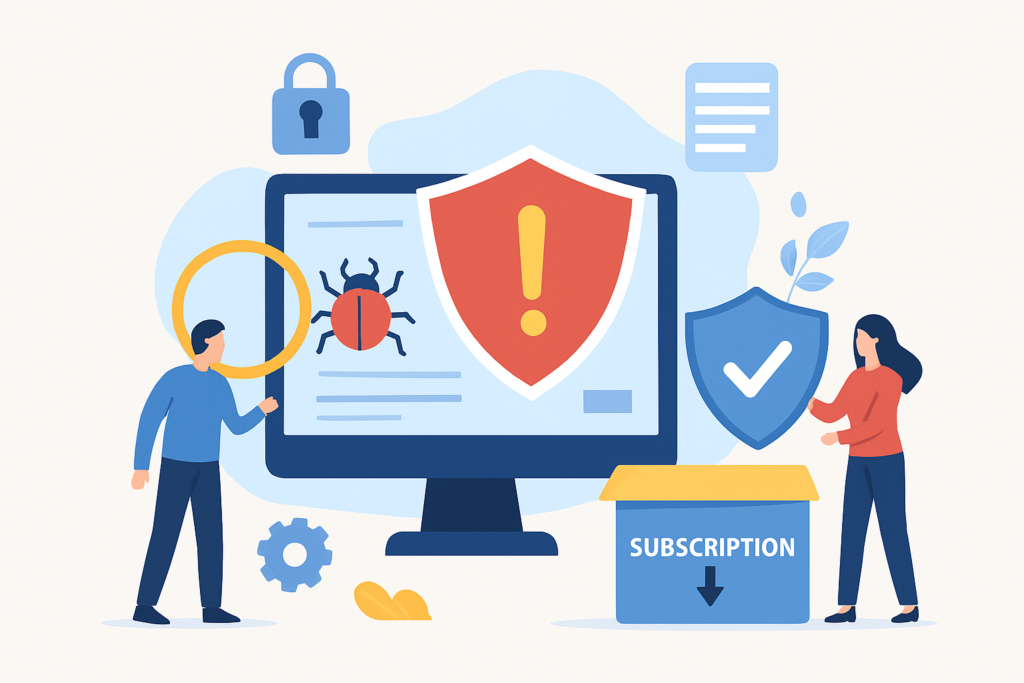
A Malware Removal Subscription Service is a long-term, automated, and professionally managed security solution designed to protect websites from malware, hacking attempts, and unauthorized access. Instead of waiting for a website to get infected, these services continuously monitor the website to detect threats instantly. The subscription model ensures year-round protection instead of temporary fixes. Most business owners today prefer subscription-based protection because it provides ongoing security—which is essential since malware evolves and hackers consistently search for new vulnerabilities. The service works quietly in the background, performing daily checks, scanning files, detecting anomalies, and shielding the website before damage occurs.
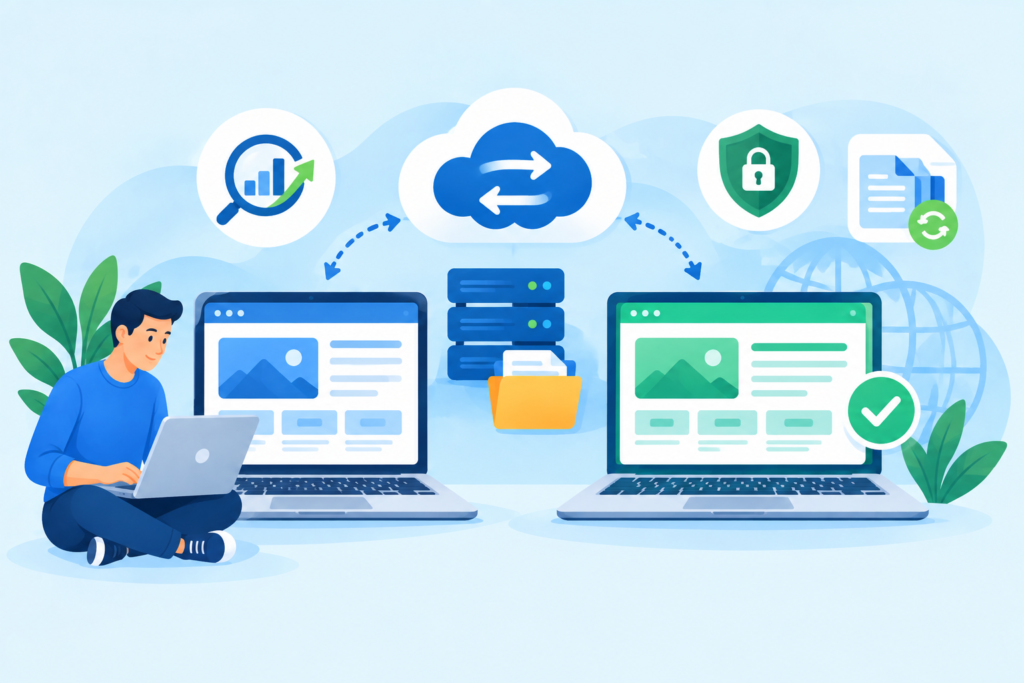
Unlike traditional one-time malware removal services, subscription-based models offer long-term guidance and professional oversight, meaning your site is rarely left unprotected. The real advantage lies in real-time detection. When a malicious activity or suspicious behavior occurs, the system notifies security experts immediately so they can take action. This reduces downtime, prevents blacklisting, and ensures your site stays clean. Many subscription services also include cloud-based firewalls, automated backups, vulnerability patching, and regular security enhancements that grow and improve with changing cyber threats.
The best part about a Malware Removal Subscription Service is its holistic approach. It protects websites at multiple layers—server, files, database, plugins, themes, admin panels, and login pages. This multilayered protection ensures vulnerabilities don’t remain invisible and unaddressed. For businesses and professionals that rely heavily on their websites, this service becomes crucial. It does more than just remove malware—it offers ongoing monitoring, removes new infections instantly, strengthens your website’s foundation, and ensures peace of mind knowing your website is always protected.
Why Subscription-Based Malware Protection is Better Than One-Time Cleaning
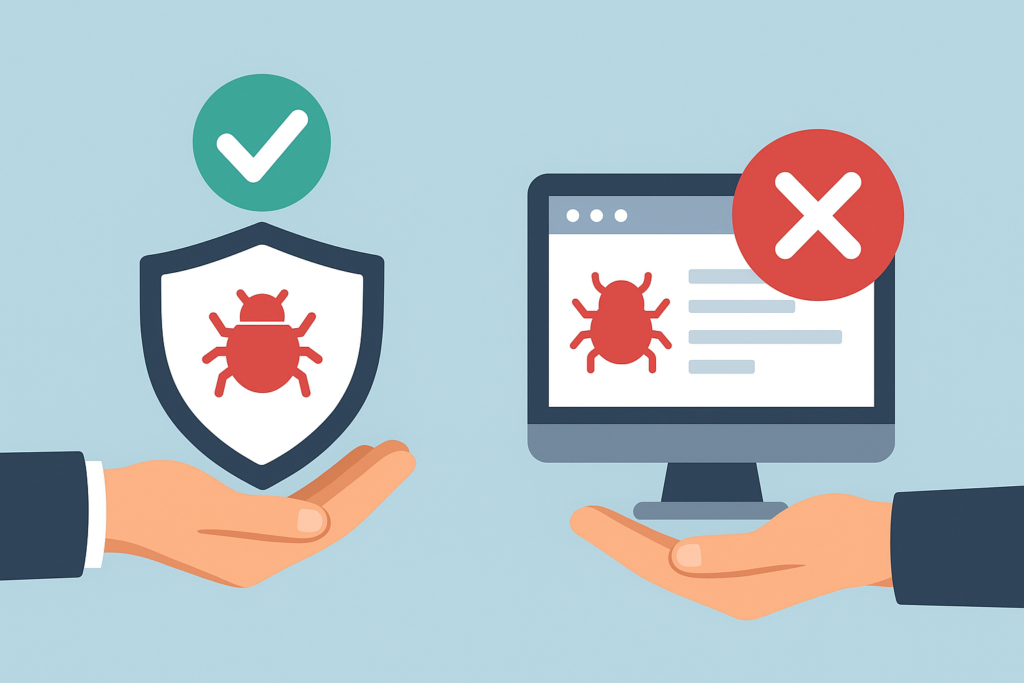
Many website owners believe that a one-time malware removal is enough to safeguard their websites. Unfortunately, this mindset leaves them exposed to recurring attacks. A single cleanup only addresses the problem after it has occurred, but does nothing to prevent future attacks. Malware evolves constantly, making one-time cleanups a temporary solution at best. Hackers continue searching for unpatched vulnerabilities and unsecured entry points, which often leads to reinfection. This is why subscription-based protection is far superior—it ensures your website stays protected every single day.
Subscription-based malware removal offers continuous scanning, automated threat alerts, and round-the-clock monitoring. If a threat appears again—even years after the initial cleanup—the system immediately detects and removes it. This eliminates the risk of downtime, SEO damage, or loss of customer trust. Additionally, subscription services provide security hardening features that actively block incoming attacks before they can infiltrate your website. This means hackers encounter security layers that prevent unauthorized access.
Another advantage of subscription-based security is expert assistance. Once subscribed, your website is monitored by professionals who understand malware deeply. They perform ongoing updates, apply fixes, and close vulnerabilities that could be exploited. This long-term partnership helps maintain a strong digital presence without repeatedly paying for emergency fixes. Over time, subscription services become more cost-effective, more reliable, and more secure—making them the smarter investment for any website owner.
How Malware Spreads and Infects Websites
Malware can infiltrate a website in numerous ways, especially when security practices are weak. Many attacks occur due to outdated plugins, weak passwords, insecure hosting environments, and vulnerabilities that website owners are unaware of. Hackers scan millions of websites every day to identify open doors. Once they find a vulnerability, they inject malicious scripts, upload backdoors, or redirect your visitors to spam or phishing pages. Without monitoring, these infections remain hidden for weeks or months and cause severe damage.
Another common cause of malware attacks is compromised credentials. Hackers often steal admin logins, FTP passwords, or hosting credentials through phishing emails or brute-force attacks. Once inside your system, they plant malware or create secret administrator accounts. This allows them to return anytime, making reinfections extremely common. Malware can also spread through shared hosting environments, where a vulnerable site on the same server can allow malware to jump across accounts.
Additionally, nulled themes, pirated plugins, and unverified scripts are a major source of malware infections. Many website owners unknowingly install these files, which contain hidden malicious code. Even a single infected file can compromise your entire site. This is why malware spreads so quickly—it only takes one weak point for an attacker to break in. Subscription-based protection helps detect these threats instantly, stopping infections from spreading further.
Key Features of a Malware Removal Subscription Service
A high-quality Malware Removal Subscription Service includes several core features that help protect a website from current and emerging threats. One of the main features is real-time malware scanning, which continuously checks your website’s files, database, and directories for suspicious activity. These scans help detect infections early, preventing escalation and minimizing damage. Another essential feature is automatic malware removal, which eliminates threats as soon as they are detected.
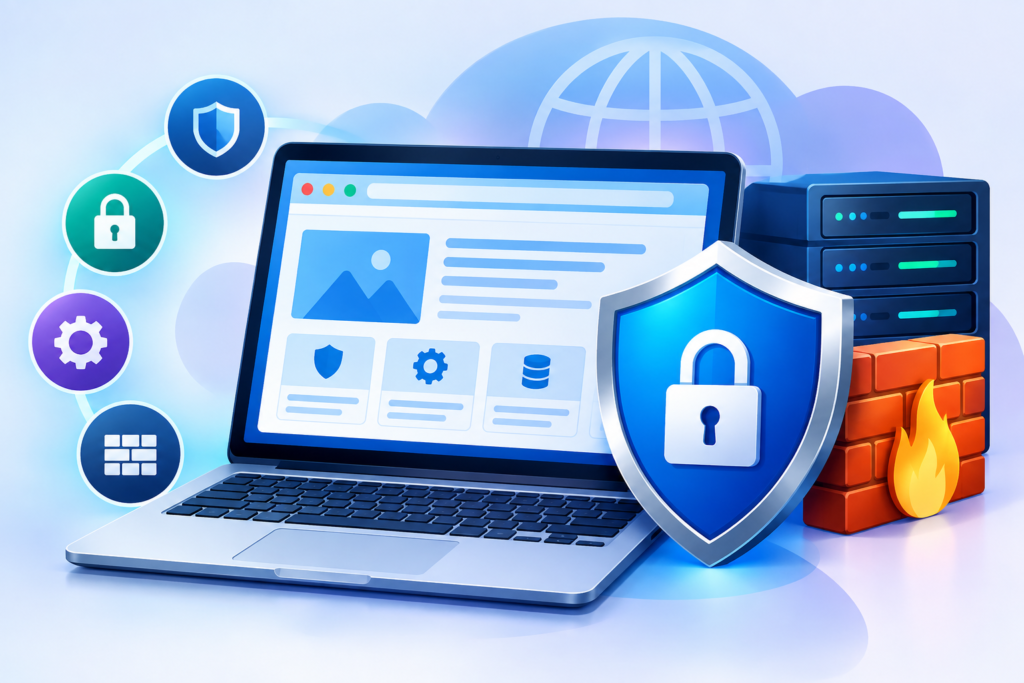
Subscription services also include firewall protection, which acts as a barrier between your website and incoming threats. A firewall blocks malicious IPs, prevents brute-force attempts, and filters harmful traffic. Vulnerability patching is another crucial feature that ensures your plugins, themes, and CMS systems stay updated. By fixing outdated components, you reduce the risk of malware entering through known vulnerabilities.
Additionally, subscription services provide blacklist monitoring, performance optimization, file integrity checks, and security hardening. These features offer a complete security ecosystem that protects websites at all levels. Some services also include emergency incident response, 24/7 support, priority cleanup, and monthly security reports. This combination ensures your website stays healthy, secure, and fully protected all year round.
The Importance of Real-Time Monitoring in Website Security
Real-time monitoring is one of the most essential components of a Malware Removal Subscription Service because cyber threats operate continuously. Hackers don’t work on schedules; malware scripts run automatically, scanning websites around the clock for weaknesses. Without real-time monitoring, infections can remain hidden for days or weeks, silently damaging your website. This silent damage can lead to SEO penalties, slow performance, data leaks, and unauthorized redirections. Real-time monitoring ensures that threats are caught the moment they appear, preventing long-term consequences.
Another important benefit of real-time monitoring is improved response time. Traditional one-time cleanups rely on manual detection, which is both slow and unreliable. But with real-time monitoring, alerts are triggered immediately when suspicious activity is detected. This includes unauthorized file changes, sudden traffic spikes, malicious uploads, or abnormal server behavior. The security team can then take instant action to address the issue before it escalates. This proactive approach minimizes downtime and ensures your website remains accessible.
Real-time monitoring also provides continuous insights into your website’s health. It records security events, login attempts, failed logins, firewall actions, and malware scan results. These analytics allow security experts to detect patterns, block repeat attackers, and adjust protection strategies accordingly. As a result, real-time monitoring doesn’t just defend your website—it continuously adapts to new threats, ensuring long-term protection and maintaining a safe environment for your visitors.
How Automated Malware Scanning Works
Automated malware scanning is a critical component of subscription-based malware protection. These scanners run in the background, examining your website’s files, database, and server logs for malicious signatures. The system compares your website’s data against massive databases of known malware patterns. If a match is found, it immediately flags the file or activity as suspicious. This automated process removes the need for manual checks and dramatically shortens the time between infection and detection.
Another key aspect of automated scanning is behavioral analysis. Malware scanners today are no longer limited to checking file structures—they analyze how your website behaves. For example, if a file suddenly starts sending spam emails, creating hidden admin accounts, or modifying database entries, it’s immediately detected as malicious. Behavioral detection helps identify new, emerging, and modified malware that traditional scanners might otherwise miss. This is crucial because hackers constantly update their techniques to bypass older detection methods.
Automated scanning also includes file integrity monitoring. This feature tracks every file on your website and alerts you whenever a change is detected. Whether it’s a plugin update, a theme modification, or an unauthorized injection, the system instantly notifies security experts. This ensures that no harmful modification goes undetected. Combined with real-time alerts, automated scanning becomes a powerful line of defense that keeps your website secure at all times, even when you’re not actively monitoring it.
Website Firewall Protection and Why You Need It
A website firewall (WAF) is an essential defense layer in any Malware Removal Subscription Service. It acts as a gatekeeper, filtering incoming traffic and blocking malicious requests before they reach your website. Hackers use automated bots to scan millions of websites for vulnerabilities. Without a firewall, your site is exposed to these automated attacks at all times. A WAF analyzes every request, decides if it’s safe, and blocks suspicious behavior instantly.
Another advantage of having a firewall is brute-force protection. Hackers often attempt to guess admin passwords using repeated login attempts. A firewall automatically blocks these attempts by limiting login attempts, blacklisting IP addresses, or activating CAPTCHA challenges. This prevents unauthorized access and keeps your login area secure. Firewalls also protect against SQL injections, cross-site scripting (XSS), cross-site request forgery (CSRF), and other advanced attacks commonly used by professional hackers.
Firewalls also help improve website speed by filtering out unnecessary traffic. They block spam bots, scrapers, and fake visitors that consume server resources. This reduces load on your hosting plan and ensures your website remains fast, even during traffic spikes. Some firewalls include content delivery network (CDN) integration, which further enhances speed and security. Overall, a firewall provides a strong, proactive protection barrier that complements continuous scanning and monitoring, making it a crucial part of long-term website security.
The Role of Daily Malware Scans in Preventing Reinfections
Daily malware scans are essential because new vulnerabilities and threats appear constantly. Even if your website is clean today, a new plugin update, theme change, or hosting modification can introduce fresh vulnerabilities tomorrow. Daily scanning ensures that any new threat is detected before it grows into a serious problem. These consistent checks help prevent reinfection, which is common among websites that rely solely on one-time cleanups.
Reinfections often occur because hackers leave hidden backdoors during the first attack. These backdoors remain invisible to inexperienced website owners, allowing hackers to re-enter the system anytime. Daily scans expose these hidden threats quickly, preventing hackers from accessing your system again. This proactive approach ensures that once malware is removed, it stays removed. Without daily scanning, reinfections can happen repeatedly, causing frustration and unnecessary cleanup costs.
Daily scans also help maintain your website’s reputation. Search engines like Google regularly crawl websites to ensure they’re safe for users. If your site is infected when Google visits, it may get blacklisted. By running daily scans, you ensure any infection is caught beforehand. This minimizes the risk of losing SEO rankings or receiving security warnings. In the long run, daily scanning strengthens your website’s credibility and builds trust among your visitors.
Why Vulnerability Patching Is Critical for Website Safety
Vulnerability patching is one of the most effective ways to prevent hackers from infiltrating your website. Every plugin, theme, and CMS version has potential weaknesses. Developers release updates to fix these weaknesses, but if your website doesn’t apply these patches, hackers exploit them. Vulnerability patching is therefore essential in a Malware Removal Subscription Service, as it prevents attacks before they occur. Without patching, your website remains vulnerable to well-known exploits that hackers can easily find.
Another benefit of patching is increased compatibility. Outdated plugins often conflict with newer software versions, causing errors, slow performance, or site crashes. By keeping your software up to date, you ensure smooth operation and stable performance. Security patching is also important for compliance, especially if your website handles personal data or online payments. Staying updated reduces your legal risks and protects user information from unauthorized access.
Additionally, vulnerability patching helps eliminate previously hidden weaknesses. When developers update their software, they often fix security issues that were not initially documented. By applying patches, you automatically close these unknown vulnerabilities. Subscription-based services automate this process, ensuring your site stays updated without manual intervention. This reduces the chances of human error and keeps your website secure year-round.
The Long-Term Benefits of a Malware Removal Subscription
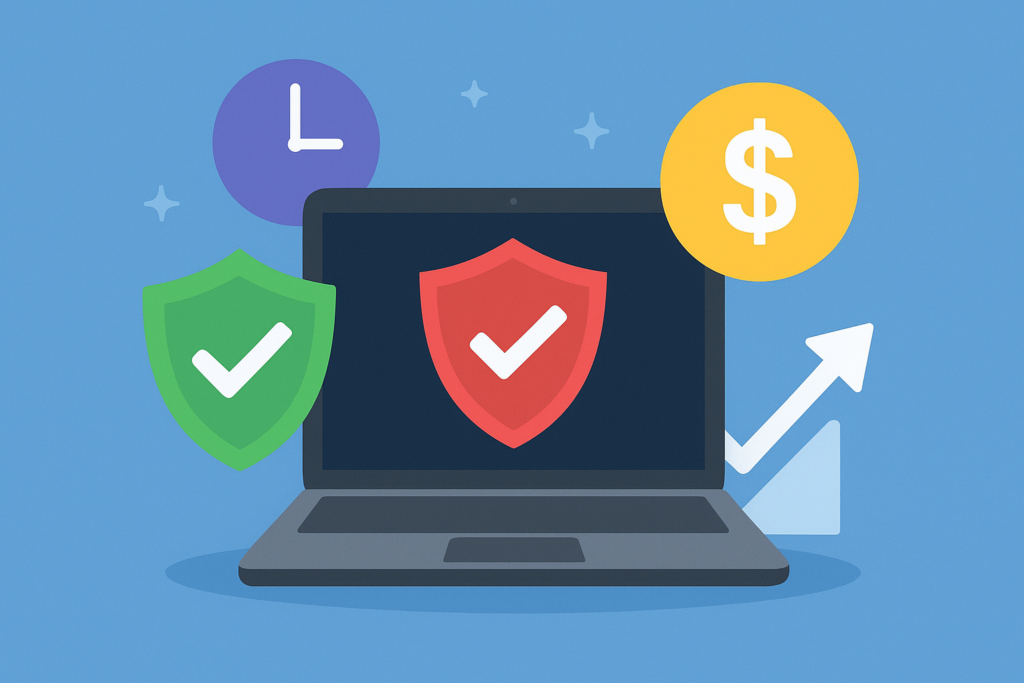
A Malware Removal Subscription Service offers long-term benefits that go far beyond basic malware removal. One of the biggest advantages is consistent protection. Instead of reacting to infections, your website gains a proactive security shield. This reduces downtime, prevents data loss, and keeps your website clean throughout the year. Long-term protection also makes it easier to maintain your SEO rankings, customer trust, and online visibility.
Another benefit is cost efficiency. One-time cleanups may seem cheaper initially, but reinfections often lead to repeated payments. Emergency cleanups can be expensive, especially when the damage is extensive. A subscription service spreads the cost over the year, providing more value with continuous monitoring, automatic updates, and expert support. Over time, this becomes far more affordable than dealing with repeated malware incidents.
A long-term plan also helps businesses grow confidently. With security managed by experts, you can focus on marketing, sales, and content creation. You don’t have to worry about hacking attempts or malware reinfections. This frees up time, reduces stress, and ensures your digital presence remains strong. Ultimately, subscription-based protection offers stability, reliability, and peace of mind—benefits that every modern business needs.
Why DIY Malware Removal Is Dangerous
Do-it-yourself malware removal may seem cost-effective, but it’s extremely risky and often ineffective. Many website owners attempt to remove malware by deleting suspicious files or installing free security plugins. While this may temporarily fix the issue, it rarely removes the infection completely. Most malware hides in multiple locations, including databases, file directories, and server settings. Without professional tools and expertise, it’s nearly impossible to identify every infected element.
Another danger of DIY removal is that it can damage your website. Removing the wrong file can break your theme, plugins, or entire website layout. You may end up losing data or causing further downtime. Hackers often leave hidden backdoors that look like normal system files. If you fail to identify them, your website remains vulnerable, and reinfections become inevitable. Free tools also have limitations—they cannot scan deep inside server folders or detect custom-coded malware.
DIY solutions also overlook security hardening. Removing malware is only half the job; the system must also be strengthened to prevent future attacks. Professionals know how to patch vulnerabilities, update configurations, and install advanced protections. Without these improvements, your website remains an easy target. This is why DIY malware removal is dangerous and why subscription-based protection is always the safer and more effective choice.
How Malware Affects SEO and Website Ranking
Malware has a severe impact on SEO and website visibility. When search engines detect that your website is infected, they immediately issue warnings to protect users. Google may label your site as “Potentially harmful,” redirect visitors to a warning page, or completely remove your website from search results. This results in a major loss of traffic, customers, and revenue. Even after removing the malware, recovering SEO rankings can take months.
Another way malware affects SEO is through spam redirects and malicious backlinks. Hackers often inject spam URLs that redirect your visitors to fraudulent websites. These malicious redirects signal search engines that your website is unsafe and untrustworthy. Malware also modifies your meta tags, sitemaps, and internal links, further damaging your SEO structure. These changes lower your ranking, affect your domain authority, and weaken your online reputation.
Malware also slows down your website. Slow-loading websites are penalized by search engines, leading to poor rankings. If malware consumes server resources or triggers excessive processes, your hosting performance suffers. A Malware Removal Subscription Service helps prevent these SEO issues by ensuring your website remains clean, fast, and secure at all times. Continuous monitoring keeps search engines from labeling your site as unsafe, protecting your long-term SEO performance.
Understanding Backdoors and Persistent Malware
Backdoors are hidden access points created by hackers to re-enter your website anytime they want. Even after you remove visible malware, backdoors remain and allow hackers to return immediately. These backdoors are intentionally designed to look like legitimate system files, making them difficult to identify. They often hide in directories such as /wp-includes, /wp-content/uploads, or the database. Without professional tools, detecting backdoors is nearly impossible.
Persistent malware is another major issue. This type of malware automatically reinstalls itself after removal. It may hide in cron jobs, server processes, or encoded PHP files. Even if you delete the infected file, the malware recreates itself. Persistent malware is extremely dangerous because it silently damages your website and spreads infection across multiple files. Only a subscription-based security system with continuous scanning and monitoring can catch such sophisticated threats.
Backdoors also lead to severe long-term damage. Hackers may steal customer information, install spam bots, redirect visitors, or spread phishing pages. Each time they access your website through a backdoor, they cause more harm. A professional subscription service ensures that these access points are identified, removed, and permanently blocked. This prevents reinfection and restores your website’s safety.
What Happens If You Ignore Malware Infections
Ignoring malware infections can lead to catastrophic consequences. The longer malware stays on your website, the more damage it causes. Hackers may steal sensitive data, redirect users to malicious websites, or send spam emails from your server. This damages your business reputation and reduces customer trust. Visitors quickly abandon websites that appear unsafe, leading to a drop in traffic and lost revenue.
Another major consequence is blacklisting. Search engines automatically blacklist websites that contain malware to protect users. Once blacklisted, your website becomes inaccessible from search results. Recovering from blacklisting is a long and difficult process that requires complete cleanup, security audits, and re-indexing. During this time, your business can lose potential customers and suffer long-term SEO consequences.
Ignoring malware also puts your hosting account at risk. Hosting providers may suspend or terminate your account if they detect harmful scripts. This leads to unexpected downtime and potential data loss. For businesses that rely on continuous online presence, these interruptions can be devastating. A subscription-based security plan prevents these issues by detecting infections instantly and removing them before they cause major damage.
Choosing the Right Malware Removal Subscription Service
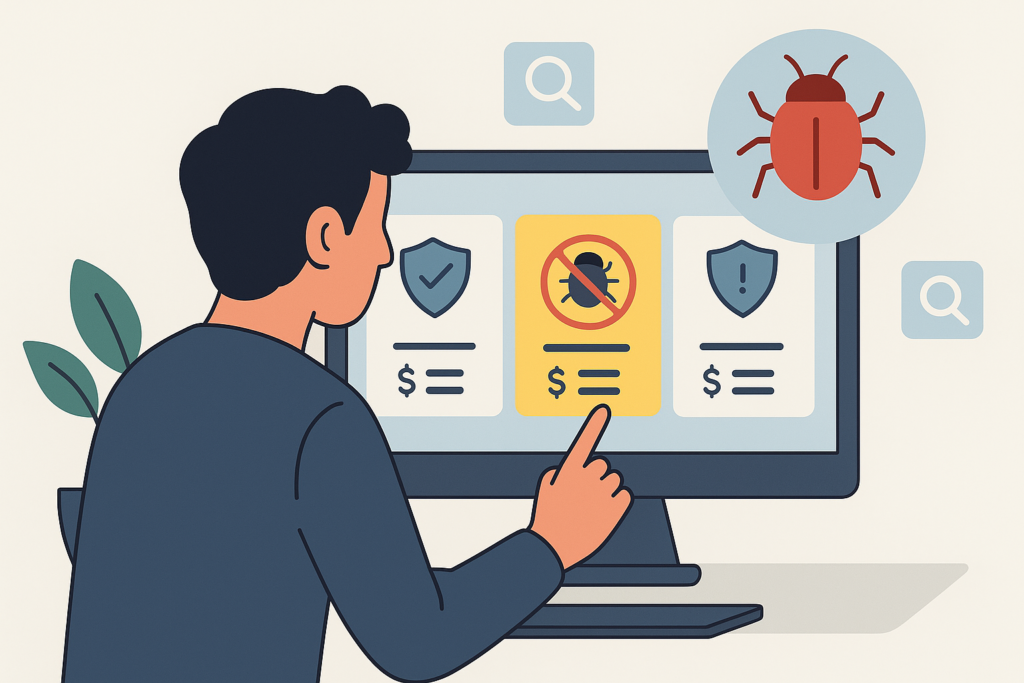
Choosing the right Malware Removal Subscription Service requires evaluating multiple factors. First, look for real-time monitoring and automated scanning. These features ensure your website is protected 24/7. Also check if the service includes firewall protection, daily scans, blacklist monitoring, vulnerability patching, and emergency cleanup. A complete package is always more reliable than partial protection.
Another important factor is expert support. Make sure the service provider offers professional assistance, security audits, and priority cleanups. Responsive customer support ensures your issues are resolved quickly. You should also check whether the service includes monthly security reports. These reports provide insights into threats blocked, vulnerabilities patched, and actions taken. Transparency is a sign of a trustworthy security provider.
Finally, consider long-term value. Subscription services that offer multi-layered protection, proactive monitoring, and expert guidance provide better long-term results than cheap alternatives. Whether you run a personal blog or a large e-commerce store, reliable security is essential. A professional subscription ensures your website remains safe from evolving threats and allows your business to grow confidently.
Common Mistakes Website Owners Make That Lead to Malware
Many website owners make avoidable mistakes that expose their websites to malware infections. One of the most common mistakes is ignoring updates. Outdated plugins, themes, and CMS versions create vulnerabilities that hackers exploit easily. Another mistake is using weak or predictable passwords. Hackers use automated tools to crack simple passwords within minutes. Strong, complex passwords and two-factor authentication can significantly reduce this risk.
Another major mistake is using nulled or pirated themes and plugins. These free downloads often contain hidden malware that immediately infects your website. Many website owners install these files unknowingly to save money, but the long-term consequences are far more expensive. A single infected plugin can compromise your entire system. Always download software from trusted and verified sources.
Finally, a lack of regular backups is another costly mistake. Without backups, recovering from a severe malware attack becomes extremely difficult. A reliable subscription service not only removes malware but also creates automated backups, providing a safety net for your website. Avoiding these common mistakes helps strengthen your website’s foundation and greatly reduces the risk of infection.
FAQs
Q1. How does a Malware Removal Subscription Service work?
It provides continuous protection through real-time monitoring, automated scanning, firewalls, vulnerability patching, and expert intervention when threats are detected.
Q2. How often will my website be scanned?
Most subscription services scan your website daily, but some offer hourly scans depending on the plan.
Q3. Will this service prevent hacking attempts?
Yes, the firewall and security hardening features significantly reduce the success rate of hacking attempts.
Q4. What if my website gets reinfected?
A subscription ensures reinfections are removed instantly without additional charges.
Q5. Can this service protect e-commerce websites?
Absolutely—subscription-based security is ideal for online stores because they require strong protection.
Conclusion
A Malware Removal Subscription Service is no longer a luxury—it’s a necessity for every website owner. With cyber threats growing rapidly, one-time cleanups are simply not enough. Continuous monitoring, real-time scanning, daily malware checks, firewalls, vulnerability patching, and expert support ensure your website stays protected 24/7. Whether you operate a personal blog, business website, or large e-commerce store, investing in a subscription-based security plan is the smartest decision you can make. At FixHackedSite, our mission is to help website owners stay secure, avoid reinfections, and build a strong digital presence. By choosing long-term protection, you guarantee the safety, stability, and reliability of your online business for years to come.