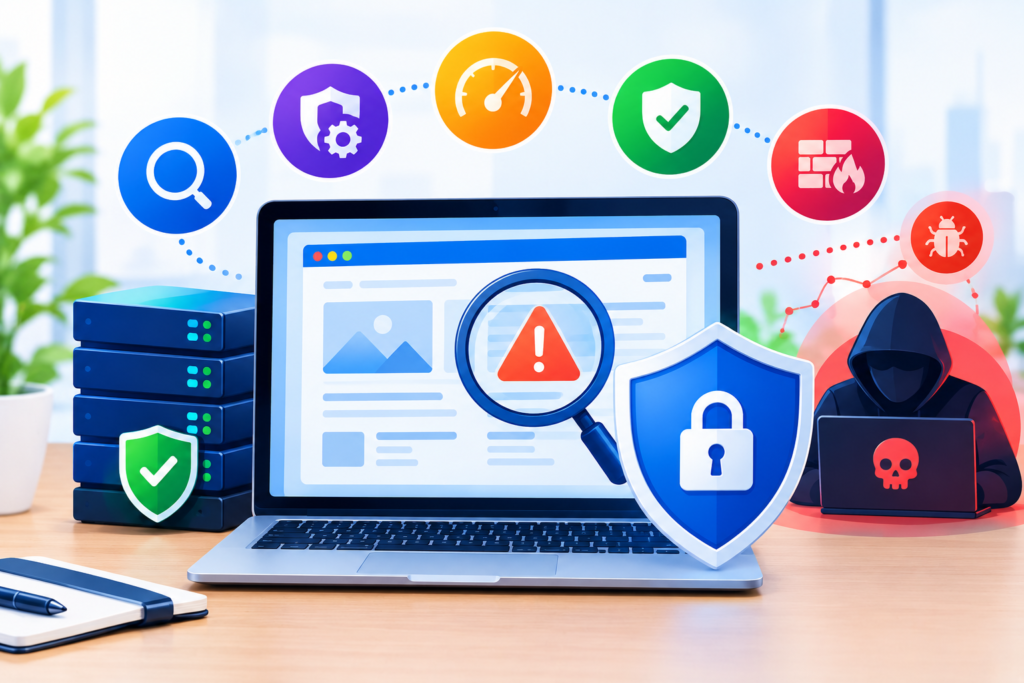
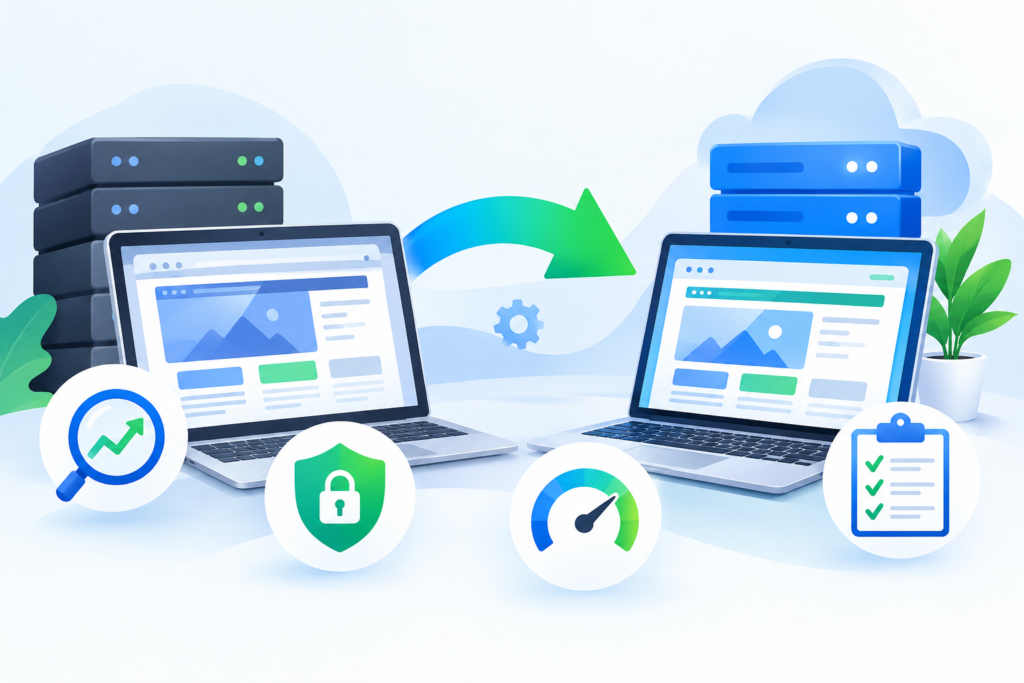
Website Hardening is essential for protecting your site from cyber threats. Learn advanced security techniques, best practices, and expert strategies to safeguard your website from hackers and vulnerabilities.
Introduction
In today’s rapidly evolving digital landscape, cyber threats are no longer rare—they are constant, sophisticated, and increasingly destructive. From small business websites to enterprise platforms, no online presence is immune to attacks. This is where website hardening becomes a critical necessity. It’s not just about fixing vulnerabilities after a breach; it’s about proactively strengthening your website’s defenses to prevent attacks before they happen.
At FixHackedSite, we understand the devastating impact a compromised website can have—loss of data, damaged reputation, SEO penalties, and financial loss. Website hardening is a proactive, strategic approach that ensures your website is resilient, secure, and capable of withstanding modern cyber threats. It involves implementing multiple layers of protection, reducing attack surfaces, and continuously monitoring for suspicious activity.
This comprehensive guide will walk you through everything you need to know about website hardening—from foundational security practices to advanced protection techniques. Whether you’re a business owner, developer, or digital marketer, this guide will equip you with actionable insights to build a secure, trustworthy, and high-performing website.
Understanding Website Hardening and Its Importance
Website hardening is the process of enhancing the security of a website by reducing vulnerabilities and strengthening its defense mechanisms. Unlike reactive security measures, which focus on fixing issues after an attack, hardening is proactive. It involves configuring systems, applications, and servers in a way that minimizes potential entry points for attackers. This approach ensures that your website is not just functional but also resilient against evolving cyber threats.
The importance of website hardening cannot be overstated. Cyberattacks such as malware injections, brute force attacks, SQL injections, and cross-site scripting (XSS) are becoming increasingly common. According to security best practices outlined by OWASP Top Ten, the majority of web vulnerabilities stem from misconfigurations and outdated software. Hardening addresses these issues at their root, making it significantly harder for attackers to exploit weaknesses.
Beyond security, website hardening also impacts SEO and user trust. Search engines like Google prioritize secure websites, and compromised sites can be flagged or removed from search results. Additionally, users are more likely to trust and engage with a website that demonstrates strong security measures. By investing in website hardening, you are not only protecting your data but also enhancing your brand credibility and long-term digital success.
Conducting a Comprehensive Security Audit
Before implementing any hardening measures, it’s essential to understand your website’s current security posture. A comprehensive security audit helps identify vulnerabilities, misconfigurations, and potential risks that could be exploited by attackers. This process involves scanning your website, reviewing server configurations, and analyzing application-level security.
Security audits typically include vulnerability scanning tools, manual code reviews, and penetration testing. Tools recommended by Web Security can help identify common vulnerabilities such as outdated plugins, weak passwords, and insecure file permissions. These audits provide a detailed roadmap of what needs to be fixed and prioritized.
Regular audits are crucial because new vulnerabilities emerge constantly. What was secure yesterday may not be secure today. By conducting periodic security assessments, you ensure that your website remains protected against the latest threats. This proactive approach allows you to stay ahead of attackers and maintain a strong security posture over time.
Securing Web Hosting and Server Environment
Your hosting environment plays a critical role in website security. Even the most secure website can be compromised if the server it’s hosted on is vulnerable. Choosing a reliable hosting provider with robust security features is the first step toward effective website hardening.
A secure hosting environment includes features such as firewalls, intrusion detection systems, regular backups, and malware scanning. According to Security Best Practices, proper server configuration is essential to prevent unauthorized access. This includes disabling unnecessary services, securing SSH access, and implementing strong authentication mechanisms.
Additionally, server-level hardening involves configuring permissions, isolating applications, and regularly updating the operating system. Shared hosting environments can be particularly risky if not properly managed, as vulnerabilities in one site can affect others. By ensuring your server environment is secure, you create a strong foundation for all other website hardening efforts.
Implementing Strong Authentication and Access Controls
One of the most common entry points for attackers is weak authentication. Poor password practices, lack of multi-factor authentication (MFA), and excessive user privileges can make your website an easy target. Strengthening authentication mechanisms is a critical component of website hardening.
Implementing strong passwords is the first step. Passwords should be complex, unique, and regularly updated. Additionally, enabling MFA adds an extra layer of security by requiring users to verify their identity through multiple methods. Guidelines from NIST Authentication Guidelines emphasize the importance of multi-factor authentication in preventing unauthorized access.
Access control is equally important. Not all users need administrative privileges. By following the principle of least privilege, you ensure that users only have access to what they need. This minimizes the risk of accidental or malicious actions that could compromise your website. Proper authentication and access control significantly reduce the likelihood of unauthorized access.
Keeping Software, Plugins, and Themes Updated
Outdated software is one of the leading causes of website vulnerabilities. Content management systems (CMS), plugins, and themes often release updates to fix security issues and improve performance. Failing to apply these updates can leave your website exposed to known exploits.
Regular updates ensure that your website is protected against the latest threats. According to Web Security, keeping software up to date is one of the simplest yet most effective security measures. Automated updates can help streamline this process and reduce the risk of human error.
However, updates should be managed carefully. Before applying updates, it’s important to test them in a staging environment to ensure compatibility and avoid breaking your website. By maintaining up-to-date software, you significantly reduce your attack surface and enhance overall security.
Hardening Website File Permissions and Configurations

File permissions control who can read, write, and execute files on your website. Incorrect permissions can allow attackers to modify or delete critical files, leading to security breaches. Properly configuring file permissions is a key aspect of website hardening.
Each file and directory should have the minimum permissions necessary to function. For example, configuration files should be restricted to prevent unauthorized access. Guidelines from Linux Security highlight the importance of limiting file access to reduce security risks.
In addition to permissions, configuration files such as .htaccess and wp-config.php should be secured. These files often contain sensitive information, including database credentials. By restricting access and implementing proper configurations, you can prevent attackers from exploiting these critical components.
Enabling HTTPS and Secure Communication Protocols
Secure communication is essential for protecting data transmitted between your website and its users. HTTPS ensures that data is encrypted, preventing attackers from intercepting sensitive information such as login credentials and payment details.
Implementing HTTPS involves installing an SSL/TLS certificate and configuring your server to enforce secure connections. According to HTTPS, HTTPS is a ranking factor and a critical component of website security. Websites without HTTPS may be flagged as “Not Secure,” which can deter users and impact SEO.
In addition to HTTPS, it’s important to disable outdated protocols and ciphers that are vulnerable to attacks. Regularly updating your SSL/TLS configuration ensures that your website remains secure against emerging threats. Secure communication is a fundamental aspect of website hardening that protects both your users and your data.
Protecting Against Common Web Vulnerabilities
Web applications are often targeted by attackers exploiting common vulnerabilities such as SQL injection, cross-site scripting (XSS), and cross-site request forgery (CSRF). Understanding and mitigating these vulnerabilities is essential for effective website hardening.
The OWASP Top Ten provides a comprehensive list of the most critical web security risks. Implementing input validation, output encoding, and secure coding practices can significantly reduce the risk of these attacks. Developers should also use prepared statements and parameterized queries to prevent SQL injection.
Regular security testing and code reviews are essential for identifying and fixing vulnerabilities. By addressing these common threats, you create a more secure and resilient website. Protecting against web vulnerabilities is a continuous process that requires vigilance and ongoing improvement.
Implementing Web Application Firewalls (WAF)
A Web Application Firewall (WAF) is one of the most effective tools in website hardening. It acts as a protective barrier between your website and incoming traffic, filtering out malicious requests before they reach your server. By analyzing HTTP traffic, a WAF can detect and block threats such as SQL injections, cross-site scripting (XSS), and brute force attacks in real time.
Modern WAF solutions operate using a combination of signature-based detection, behavioral analysis, and machine learning. According to Web Application Firewall (WAF), WAFs are essential for mitigating application-layer attacks that traditional firewalls may miss. They can be deployed as cloud-based services, hardware appliances, or software modules integrated into your hosting environment.
Implementing a WAF not only enhances security but also improves website performance by filtering out unwanted traffic. It reduces server load and ensures that legitimate users can access your website without interruption. For businesses handling sensitive data or high traffic volumes, a WAF is a critical component of a comprehensive website hardening strategy.
Malware Scanning and Removal Strategies
Malware infections can compromise your website’s functionality, steal sensitive data, and damage your reputation. Effective malware scanning and removal strategies are essential for maintaining a secure website environment. These strategies involve both automated tools and manual inspection to identify and eliminate malicious code.
Automated malware scanners can detect known threats by comparing files against a database of malware signatures. Tools recommended by Understanding Malware help identify suspicious files, unauthorized changes, and hidden backdoors. Regular scans ensure that any infection is detected early, minimizing potential damage.
However, automated tools alone are not sufficient. Manual inspection is often required to identify advanced or obfuscated malware. This includes reviewing server logs, checking file integrity, and analyzing unusual behavior. Once malware is detected, it must be removed completely, and vulnerabilities must be patched to prevent reinfection. A robust malware management strategy is vital for long-term website security.
Backup and Disaster Recovery Planning
No matter how strong your website security is, there is always a risk of unexpected incidents such as cyberattacks, server failures, or human errors. This is why having a reliable backup and disaster recovery plan is a crucial aspect of website hardening.
Backups should be automated, frequent, and stored securely in multiple locations. According to Cybersecurity Framework, data backup and recovery are essential components of a resilient cybersecurity strategy. Backups should include all critical data, including databases, files, and configurations, to ensure complete restoration if needed.
A disaster recovery plan outlines the steps to restore your website quickly and efficiently after an incident. This includes identifying recovery priorities, assigning responsibilities, and testing the recovery process regularly. By having a well-defined backup and recovery strategy, you can minimize downtime and ensure business continuity even in the face of unexpected challenges.
Monitoring and Logging for Continuous Security
Continuous monitoring and logging are essential for detecting and responding to security threats in real time. Without proper monitoring, attacks can go unnoticed, allowing attackers to exploit vulnerabilities and cause significant damage.
Monitoring tools track website activity, including user behavior, login attempts, and server performance. Logs provide a detailed record of these activities, enabling you to identify suspicious patterns and investigate incidents. Guidelines from Monitoring emphasize the importance of log analysis in detecting and preventing cyber threats.
Effective monitoring involves setting up alerts for unusual activity, such as multiple failed login attempts or unexpected file changes. By analyzing logs and responding to alerts promptly, you can mitigate threats before they escalate. Continuous monitoring ensures that your website remains secure and responsive to emerging risks.
Securing APIs and Third-Party Integrations
Modern websites often rely on APIs and third-party integrations to enhance functionality. While these integrations provide valuable features, they can also introduce security risks if not properly managed. Securing APIs is a critical component of website hardening.
APIs should be protected authentication mechanisms such as API keys, OAuth, and token-based authentication. According to API Security, API security vulnerabilities are among the most common attack vectors. Proper validation, rate limiting, and encryption are essential for protecting API endpoints.
Third-party integrations should be carefully evaluated before implementation. Only use trusted providers and regularly review their security practices. Additionally, limit the data shared with third-party services to reduce potential exposure. By securing APIs and integrations, you can prevent attackers from exploiting external dependencies.
Implementing Security Headers and Advanced Configurations
Security headers are an often-overlooked but highly effective method of enhancing website security. These headers instruct browsers on how to handle your website’s content, helping to prevent attacks such as XSS, clickjacking, and MIME-type sniffing.
Common security headers include Content Security Policy (CSP), X-Frame-Options, and Strict-Transport-Security (HSTS). According to HTTP Headers, properly configured headers can significantly reduce the risk of client-side attacks. These headers act as an additional layer of defense, complementing other security measures.
Advanced configurations may also include disabling directory listing, restricting file uploads, and implementing rate limiting. These measures help minimize attack surfaces and prevent unauthorized access. By combining security headers with advanced configurations, you can create a robust and secure website environment.
Building a Security-First Culture and Ongoing Maintenance

Website hardening is not a one-time task—it’s an ongoing process that requires continuous effort and a security-first mindset. Building a culture of security within your organization ensures that everyone understands the importance of protecting your website and follows best practices.
Training team members on security awareness is essential. This includes recognizing phishing attempts, using strong passwords, and following secure development practices. According to Cybersecurity Awareness Program, human error is one of the leading causes of security breaches, making education a critical component of website security.
Ongoing maintenance involves updates, monitoring, and periodic security assessments. By staying proactive and adapting to new threats, you can ensure that your website remains secure over time. A security-first culture combined with continuous maintenance is the foundation of effective website hardening.
Common Website Hardening Mistakes
Many website owners believe that installing a security plugin or enabling HTTPS is enough—but that’s far from reality. One of the most common mistakes is relying solely on automated tools without understanding underlying vulnerabilities. Security requires a layered approach, not a single solution.
Another frequent issue is neglecting updates. Outdated plugins, themes, and CMS versions are among the easiest targets for hackers. Additionally, weak passwords and lack of multi-factor authentication continue to be major vulnerabilities. Ignoring access control and giving unnecessary admin privileges can also lead to internal security risks.
Finally, many businesses fail to implement proper backups or test their recovery processes. A backup that cannot be restored is useless. Ignoring monitoring and logs is another critical mistake, as it prevents early detection of threats. Avoiding these mistakes is essential for building a truly secure website.
FAQs
1. What is website hardening?
Website hardening is the process of strengthening a website’s security by reducing vulnerabilities and implementing protective measures to prevent cyberattacks.
2. How often should I perform a security audit?
You should perform a security audit at least quarterly, or more frequently if your website handles sensitive data or experiences high traffic.
3. Is HTTPS enough for website security?
No, HTTPS is just one part of website security. You also need firewalls, strong authentication, monitoring, and regular updates.
4. What is the role of a WAF?
A Web Application Firewall filters and blocks malicious traffic before it reaches your website, protecting against common web attacks.
5. Can small websites be targeted by hackers?
Yes, attackers often target small websites because they are more likely to have weak security measures.
6. How do backups help in security?
Backups allow you to restore your website quickly after an attack or failure, minimizing downtime and data loss.
7. What are security headers?
Security headers are HTTP response headers that help protect your website from client-side attacks like XSS and clickjacking.
8. Do I need professional help for website hardening?
While basic measures can be implemented самостоятельно, professional expertise ensures comprehensive protection and ongoing security.
Best Practices Summary
To effectively harden your website, follow these proven best practices:
- Use strong passwords and enable multi-factor authentication
- Keep all software, plugins, and themes updated
- Implement a Web Application Firewall (WAF)
- Perform regular security audits and vulnerability scans
- Configure proper file permissions and secure configurations
- Enable HTTPS and secure communication protocols
- Monitor website activity and analyze logs
- Maintain regular backups and test recovery processes
- Secure APIs and third-party integrations
- Apply security headers and advanced configurations
By consistently applying these practices, you can build a secure, resilient, and high-performing website.
Conclusion
Website hardening is no longer optional—it is a necessity in today’s threat-filled digital environment. By implementing the strategies outlined in this guide, you can significantly reduce your risk of cyberattacks and protect your online presence.
At FixHackedSite, we specialize in helping businesses secure, recover, and protect their websites with advanced security solutions. Whether you’re starting from scratch or recovering from a hack, a proactive hardening strategy will ensure long-term success, trust, and performance.
Want to Implement This Easily?
Prompt:
You are an expert consultant. Based on the blog post titled “Website Hardening”, provide a step-by-step, practical implementation guide. Include tools, best practices, common mistakes to avoid, and advanced tips. Assume the reader wants to implement everything discussed in this article effectively.
Call to Action:
Want our help implementing this? Just reach out to us via our website contact form:
https://fixhackedsite.com/contact-us/