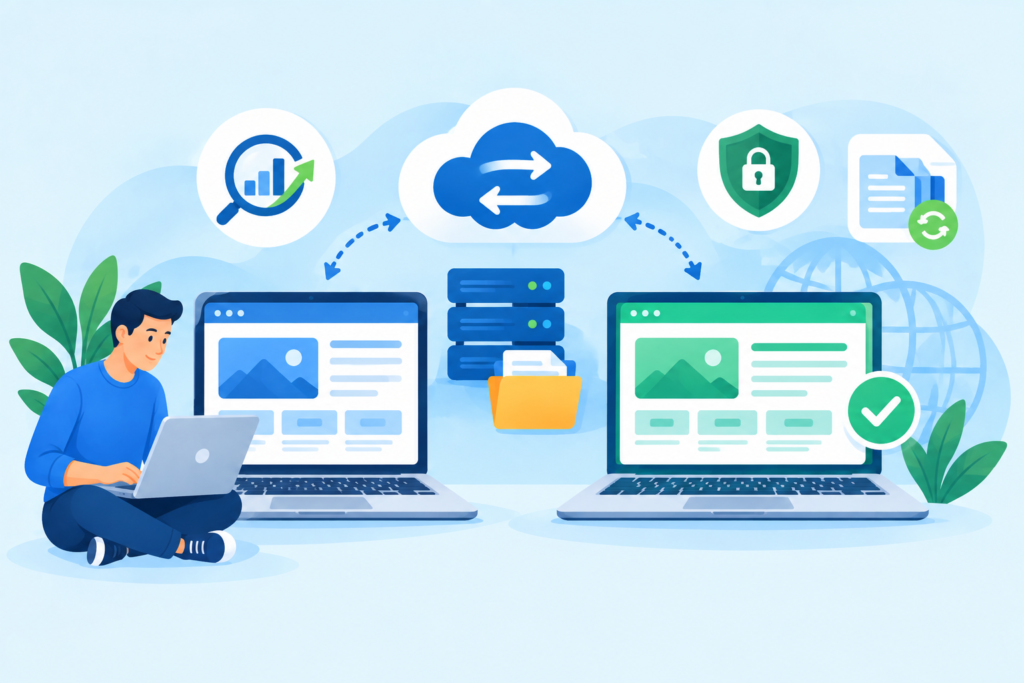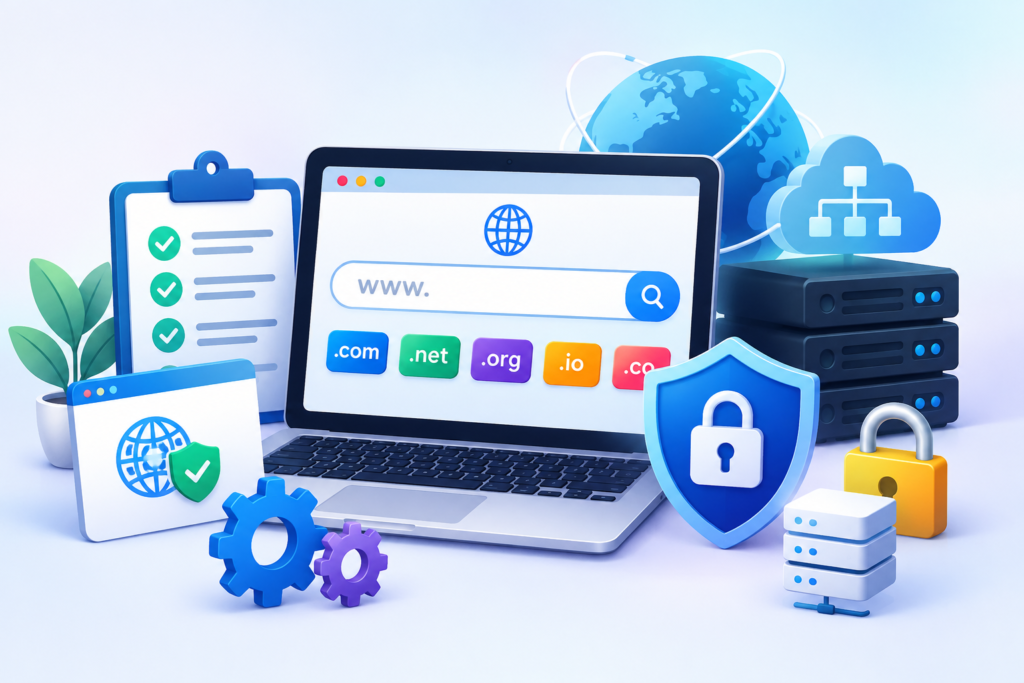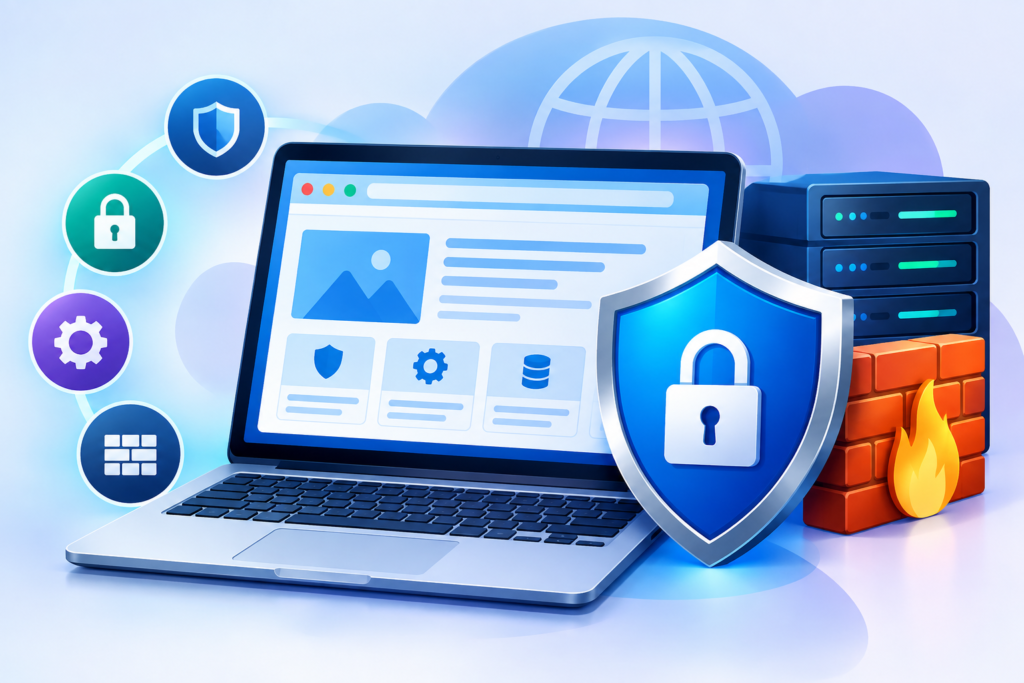
Website and Domain Migration is one of the most crucial digital processes that can redefine the online presence of a brand, business, or personal project. It involves the careful transfer of a website from one platform, server, or domain to another without losing search engine rankings, user experience, or data integrity. A poorly executed migration can lead to loss of traffic, broken links, downtime, or even permanent SEO penalties. On the other hand, a properly managed migration ensures that the website continues to perform smoothly while adapting to a better infrastructure, stronger security protocols, and improved user engagement.
This detailed blog post explores every angle of Website and Domain Migration, from planning and execution to post-migration optimization, ensuring that readers gain a full understanding of this complex process. Whether it’s a small business upgrading its hosting environment, an e-commerce platform shifting to a new domain, or a large corporation rebranding online, the steps outlined here will help guarantee a seamless transition.
By following best practices in Website and Domain Migration, businesses can protect their digital identity, safeguard customer trust, and maintain their search engine visibility. The upcoming sections break down the migration process into comprehensive stages, addressing both technical and strategic elements so that every website owner can feel confident while making the move.
Introduction to Website and Domain Migration
Website and Domain Migration is far more than just moving files from one place to another. It’s a structured process that touches multiple layers of a business’s digital identity, including hosting, databases, security, SEO, and user experience. For companies that rely heavily on their websites for sales, brand authority, or communication, ensuring a flawless migration is critical. A poorly executed migration can result in significant downtime, loss of search engine rankings, broken user journeys, and in some cases, financial setbacks.
The introduction of new technologies and the demand for faster, more secure, and scalable websites have made migration an unavoidable part of digital growth. Businesses often migrate when rebranding, upgrading hosting providers, changing CMS platforms, or moving from an old domain to a new one. Whatever the reason, the importance of strategic planning and technical accuracy cannot be overstated.
At FixHackedSite, we understand that website and domain migration is not just a technical necessity but also a strategic move that impacts brand visibility and long-term growth. In this blog, we provide an in-depth look into how businesses can perform seamless migrations while ensuring data security, SEO continuity, and enhanced user experience.
Understanding the Importance of Website and Domain Migration
Website and Domain Migration is not just a technical activity; it is a critical step that can reshape how a business is perceived online. A smooth migration ensures that all existing website data, content, and functionalities are preserved while enhancing the overall infrastructure. When businesses grow, their digital needs evolve, and migration becomes essential for scaling operations, improving security, and delivering a better user experience. Without migration, websites risk falling behind in performance, security, and adaptability to modern technologies.
 The importance of this process lies in its ability to preserve brand credibility and online visibility. Imagine a company that has spent years building a solid online presence, only to lose traffic, ranking, or customer trust due to a poorly executed migration. Such setbacks can take months, or even years, to recover from. Migration, therefore, is not just about technical transfer—it is about safeguarding the foundation of digital growth and ensuring that every element remains intact while adapting to new environments.
Moreover, Website and Domain Migration opens doors to greater opportunities. Businesses moving to a better hosting provider may experience faster loading speeds, which directly influences customer satisfaction and conversion rates. Similarly, rebranding through a domain migration can help companies expand their market reach and align their digital identity with new business goals. By treating migration as an investment rather than a challenge, companies can turn this technical step into a strategic advantage.
Common Reasons for Website and Domain Migration
There are multiple reasons why businesses and individuals choose to undergo website and domain migration, and each reason reflects a unique aspect of digital transformation. One of the most common motivations is rebranding, where companies decide to change their domain name to align with a new identity, product line, or market strategy. This kind of migration requires careful planning to ensure that the old domain’s authority is transferred to the new one, preserving SEO value and customer recognition.
Another strong reason is the need for better performance and security. As traffic increases and cyber threats become more sophisticated, many businesses realize that their existing hosting environment or platform is no longer sufficient. Migrating to a more robust hosting solution, upgrading to a new content management system, or shifting to a domain with stronger security measures becomes essential to protect data and provide uninterrupted services. Security is especially vital for e-commerce websites, where user trust depends heavily on seamless and safe transactions.
Additionally, some businesses pursue migration to support scalability and global reach. As a company grows, its website must handle larger volumes of traffic, integrate advanced technologies, and adapt to different geographic markets. Migration helps businesses transition from outdated infrastructures to modern, scalable solutions that support long-term growth. Whether the reason is rebranding, performance improvement, or expansion, the decision to migrate is always rooted in the pursuit of better digital presence and sustainability.
Challenges Involved in Website and Domain Migration
While migration offers significant benefits, it also comes with challenges that cannot be overlooked. One of the most pressing issues is the risk of SEO disruption. When a website changes its domain or structure, search engines may take time to reindex pages, leading to temporary or permanent drops in rankings if proper redirection strategies are not applied. This can significantly affect traffic and sales, making SEO preservation a top priority during migration.
Another major challenge is data integrity. During the transfer of files, databases, and configurations, there is always the risk of data corruption, loss, or mismatches. A single error in database transfer can lead to broken functionalities, missing user data, or corrupted content. To avoid such problems, meticulous backups, testing, and verification must be carried out before and after the migration process. This ensures that every piece of content, media, and code is successfully transferred without errors.
Finally, user experience can suffer if migration is not handled smoothly. Downtime, broken links, or inconsistent performance can frustrate visitors and reduce trust in the brand. This is particularly damaging for e-commerce businesses that rely on round-the-clock accessibility. The challenge lies not just in transferring a website but doing so with minimal disruption, maintaining continuity, and ensuring users experience a seamless transition. Businesses that acknowledge these challenges and prepare proactively are more likely to succeed in their migration efforts.
Planning for a Successful Website and Domain Migration
The success of a website and domain migration begins long before the first file is transferred. Careful planning ensures that the process runs smoothly and that all potential risks are accounted for in advance. The planning phase should start with a clear understanding of the purpose of the migration, whether it is for rebranding, improving performance, enhancing security, or supporting scalability. By identifying the primary goal, businesses can shape the migration strategy to align with long-term objectives while addressing technical and operational requirements.
Equally important in planning is auditing the existing website. Before migration, businesses should evaluate current SEO performance, traffic sources, backlinks, and user experience. This information becomes the foundation for creating a migration roadmap that protects valuable assets during the transition. For example, understanding which pages generate the most traffic allows teams to prioritize redirection and avoid losing search engine equity. Likewise, auditing helps identify outdated or irrelevant content that can be left behind, streamlining the new website environment.
Another key aspect of planning involves setting realistic timelines and allocating resources. Website migration should never be rushed, as this increases the likelihood of errors, downtime, and SEO issues. Instead, businesses should develop a timeline that allows sufficient time for testing, reviewing, and optimizing. Assigning responsibilities to specific team members or experts ensures accountability, while building contingency plans prepares businesses to handle unexpected challenges. With a detailed plan in place, the chances of a smooth, disruption-free migration increase dramatically.
Pre-Migration Checklist: What to Do Before Moving
Before a single file or database is transferred, it is crucial to follow a pre-migration checklist that ensures readiness for the transition. The first step in this checklist is to create complete backups of the current website, including all files, databases, and configurations. Backups act as a safety net, allowing businesses to restore the site quickly in case of unexpected errors or failures during migration. Without reliable backups, a small technical issue could lead to catastrophic data loss.
Another critical pre-migration task is to document the existing website structure. Mapping URLs, reviewing internal links, and identifying priority pages are essential to preserving SEO value. This documentation helps businesses implement proper 301 redirects once the migration is complete, ensuring that both users and search engines find the right pages on the new site. Without this step, visitors may encounter broken links, and search engines may treat migrated pages as entirely new, causing ranking losses.
Finally, businesses should prepare the new environment before initiating migration. This includes setting up the hosting account, installing the necessary software or content management system, and verifying server compatibility. Testing the new environment with a staging version of the website ensures that everything works correctly before going live. Completing this pre-migration checklist provides confidence that the migration process will proceed without major disruptions and that all critical assets will remain secure.
Technical Considerations in Website Migration
Website and domain migration is highly technical, involving multiple layers of infrastructure, coding, and SEO management. One of the most important technical considerations is ensuring proper redirection of URLs. Without 301 redirects, search engines and users will not be able to locate the new versions of pages, leading to traffic drops and broken user journeys. Setting up redirects correctly is crucial for transferring SEO equity from the old site to the new one.
Another technical factor is maintaining website speed and performance. Migration is often an opportunity to upgrade to faster hosting, optimize databases, and improve server configurations. However, if not managed correctly, migration can result in slower loading times, which negatively affect both search rankings and user satisfaction. Conducting speed tests before and after migration helps ensure that the website delivers a consistent and improved performance.
Security also plays a critical role during migration. Moving a website involves handling sensitive data such as customer information, payment gateways, and login credentials. Businesses must use secure transfer protocols, update SSL certificates, and verify that all firewalls and security plugins are properly configured. Ignoring these technical considerations can create vulnerabilities that hackers may exploit. By addressing these elements proactively, businesses can ensure a smooth, secure, and efficient migration process.
Choosing the Right Hosting and Server Environment
Selecting the appropriate hosting and server environment is one of the most critical decisions during website and domain migration. The hosting provider determines the website’s performance, security, and scalability, so it must align with the business’s long-term objectives. Many websites fail after migration not because of technical errors but due to inadequate hosting that cannot handle increased traffic or support essential functionalities. Factors such as server type, storage, bandwidth, uptime guarantees, and technical support play a decisive role in ensuring a smooth transition.
 Businesses should also consider whether shared, VPS, or dedicated hosting is most suitable for their needs. Smaller websites may function well on shared hosting initially, but growing websites with high traffic or resource-intensive applications often require VPS or dedicated servers. Cloud hosting solutions offer additional flexibility and scalability, allowing businesses to expand resources as needed without downtime. Selecting the right environment minimizes technical bottlenecks and ensures the website can operate efficiently post-migration.
Another essential aspect is server location and compliance standards. Hosting the website closer to the target audience can significantly reduce latency and enhance user experience. Additionally, businesses must ensure that the hosting provider follows security standards, GDPR compliance, and backup protocols, particularly for websites handling sensitive data. By carefully evaluating hosting options before migration, businesses can set the foundation for a secure, fast, and reliable online presence.
Handling Content and Database Migration
Content and databases form the heart of any website, and handling them correctly is essential during migration. The first step is to audit all existing content, identifying high-value pages, multimedia assets, and databases that need to be transferred. Migrating outdated, redundant, or irrelevant content can be avoided to streamline the new website. Proper documentation ensures that nothing is lost during the transition and that every page retains its SEO value.
Database migration requires careful attention to compatibility and structure. Different platforms may have variations in database schemas, and direct transfers can sometimes cause errors, leading to corrupted data or broken functionalities. It is crucial to perform database backups, test the transfer on staging environments, and verify integrity before going live. For dynamic websites such as e-commerce stores, this step is particularly important, as it ensures that products, user accounts, and transaction histories remain intact.
Finally, managing content migration includes preserving SEO signals and internal linking. Every migrated page should maintain its metadata, URLs, and internal links to avoid negative impacts on search rankings. Implementing proper 301 redirects, updating XML sitemaps, and ensuring canonical tags are correctly applied prevents duplicate content issues. Businesses that meticulously manage content and databases during migration minimize disruptions while maximizing long-term digital performance.
SEO Considerations During Migration
One of the biggest risks in website and domain migration is the potential loss of search engine rankings. SEO considerations must be an integral part of the migration strategy to ensure that traffic and visibility are preserved. A detailed SEO audit before migration identifies critical pages, keyword performance, backlink profiles, and site structure, which becomes the blueprint for maintaining search engine equity post-migration.
Proper URL mapping and redirection are crucial to preserving SEO value. Without 301 redirects, search engines may treat old pages as missing, resulting in a drop in rankings and lost traffic. It’s also important to update internal links, canonical tags, and XML sitemaps to reflect the new domain structure. Businesses should closely monitor indexed pages after migration and submit updated sitemaps to search engines to speed up reindexing and maintain organic visibility.
Additionally, technical SEO elements like site speed, mobile optimization, and schema markup must be reassessed during migration. Migration offers an opportunity to improve these elements, ensuring that the new website not only retains existing SEO performance but also benefits from modern optimization practices. By integrating SEO planning into every stage of migration, businesses can protect their search engine rankings while enhancing long-term digital growth.
Managing URLs and Redirections
One of the most critical aspects of Website and Domain Migration is managing URLs and redirections. Every page on a website has a unique URL that search engines and users rely on. When migrating to a new domain or structure, failure to properly redirect old URLs can result in broken links, lost traffic, and negative impacts on SEO. Implementing 301 redirects ensures that visitors and search engines are seamlessly directed to the new pages, preserving the website’s ranking and authority.
URL management also involves analyzing the existing site structure to identify high-priority pages and potential URL conflicts. Some old URLs may no longer be relevant or may need to be restructured for better readability, SEO, or usability. Maintaining consistency in URL naming conventions during migration helps both users and search engines understand the website hierarchy. Additionally, updating internal links to reflect the new URLs prevents errors and ensures a smooth user experience throughout the site.
Another important consideration is tracking and monitoring redirected URLs post-migration. Tools like Google Search Console, analytics platforms, and server logs can help identify broken links, crawl errors, or improperly redirected pages. Regular monitoring allows businesses to address issues proactively, preventing long-term SEO damage. By carefully managing URLs and redirections, companies can maintain both user trust and search engine visibility, ensuring that the migration enhances rather than harms the website’s performance.
Testing and Quality Assurance Before Going Live
Testing and quality assurance are essential steps that determine the success of any website migration. Before going live, every aspect of the migrated site—including pages, links, forms, databases, and multimedia content—must be thoroughly checked to ensure full functionality. Testing ensures that nothing was lost or corrupted during the migration process and that the website operates exactly as intended. This step is especially crucial for dynamic websites such as e-commerce stores or platforms with user-generated content.
Quality assurance also involves testing the website’s performance, speed, and responsiveness across multiple devices and browsers. Websites must load quickly, function smoothly, and provide a consistent user experience to retain visitors and maintain search engine rankings. Additionally, testing SEO elements like meta tags, headings, canonical tags, and structured data ensures that the website continues to perform well in search results. Ignoring testing can lead to serious issues post-launch, such as broken functionality, poor performance, or negative impacts on organic traffic.
Finally, staging environments play a key role in testing and QA. A staging site allows businesses to simulate the live environment without affecting the existing website. It provides the opportunity to fix errors, optimize performance, and verify security measures before migration is finalized. By dedicating time and resources to thorough testing and quality assurance, businesses can confidently launch the migrated site, knowing that it is fully optimized, secure, and ready to serve users.
Post-Migration Monitoring and Maintenance
Once a website has been successfully migrated, ongoing monitoring and maintenance are critical to ensure long-term success. Post-migration monitoring involves tracking website performance, traffic, server stability, and user interactions. This step helps identify issues that may have gone unnoticed during testing, such as broken links, slow-loading pages, or minor database errors. Continuous monitoring ensures that the migrated website remains fully functional and performs optimally for visitors.
Maintenance also includes reviewing SEO performance and search engine indexing. Even with proper planning, some pages may require additional attention to regain full ranking potential. Monitoring tools like Google Analytics and Search Console can provide insights into traffic patterns, user behavior, and potential crawl errors. Regularly updating sitemaps, checking backlinks, and optimizing on-page SEO ensures that the website maintains and improves its search engine visibility over time.
Security is another essential aspect of post-migration maintenance. Websites should be continuously monitored for malware, unauthorized access, and vulnerabilities. Regular backups, updated plugins, and firewall configurations protect against potential threats that could compromise the new environment. By combining continuous monitoring, SEO tracking, and security maintenance, businesses can guarantee that their website migration delivers lasting results and strengthens their digital presence.
Security Considerations During Migration
Website and Domain Migration involves transferring sensitive data, which makes security one of the most crucial aspects of the process. During migration, websites are exposed to potential risks, including unauthorized access, data breaches, and malware attacks. Ensuring that all data is encrypted during transfer is vital. Using secure protocols like SFTP or HTTPS, along with strong authentication, helps prevent unauthorized interception of information. Security considerations should be incorporated into every stage of the migration, from planning to post-migration monitoring.
Another critical security factor is ensuring that all server and platform configurations are up-to-date. Outdated software or plugins can be exploited by hackers, particularly during the vulnerable migration phase. It is essential to apply all security patches, update CMS platforms, and verify firewall configurations before initiating migration. For e-commerce websites, additional attention must be given to safeguarding payment gateways and customer data. By prioritizing security, businesses can protect sensitive information while maintaining customer trust and compliance with regulations.
Finally, post-migration security monitoring is necessary to detect and address potential vulnerabilities. Regular malware scans, vulnerability assessments, and access audits help ensure that the new environment remains secure over time. Integrating security measures into routine maintenance and monitoring allows businesses to mitigate risks before they escalate. A secure migration not only preserves data integrity but also enhances user confidence, which is essential for sustaining long-term growth and credibility online.
Handling Email and Third-Party Integrations
Website and domain migration often impacts email services and third-party integrations, which are vital for business communication and operations. Email accounts tied to the existing domain must be carefully migrated to ensure uninterrupted communication. Mishandling email migration can result in lost messages, failed notifications, and operational disruption. Businesses should back up all email data, set up new accounts on the destination server, and test email functionality before fully switching domains.
Third-party integrations such as CRMs, payment gateways, analytics tools, and marketing platforms must also be accounted for during migration. These services often rely on specific configurations and API connections that may break if the domain or hosting environment changes. Testing all integrations in a staging environment helps identify compatibility issues before going live. Additionally, updating credentials, webhooks, and plugin settings ensures that third-party tools continue to function seamlessly post-migration.
Careful planning and validation of email and third-party services prevent operational downtime and ensure a smooth transition. Businesses can maintain their communication, marketing, and operational workflows without disruption. Proper handling of these elements demonstrates attention to detail, safeguarding both internal processes and customer interactions during the migration journey.
Reducing Downtime During Migration
Minimizing downtime is one of the primary goals during Website and Domain Migration, as even a few hours of unavailability can negatively impact user experience and revenue. Downtime often occurs when switching servers, updating DNS records, or transferring databases. Planning a migration during off-peak hours, typically late at night or during weekends, can reduce the impact on traffic and user activity. Additionally, using a temporary maintenance page can inform visitors while work is in progress without causing frustration.
Another method to reduce downtime is implementing staging environments and pre-migration testing. By preparing a fully functional copy of the website on the destination server, businesses can perform tests, validate content, and ensure that all functionalities work correctly. Once verified, DNS changes can be made quickly, minimizing the time users encounter a non-functional website. This proactive approach ensures a smooth switch while maintaining business continuity.
Finally, monitoring post-migration performance is crucial for quickly identifying and addressing any downtime issues. DNS propagation may take several hours, and minor glitches can occur in the early stages after launch. Using monitoring tools to track uptime, server response times, and website accessibility allows businesses to respond immediately, reducing negative impact. By strategically planning migration and monitoring carefully, downtime can be minimized, resulting in a seamless experience for both users and business operations.
Backup Strategies During Migration
Backups are the lifeline of any Website and Domain Migration. Before initiating migration, businesses must create complete backups of all website files, databases, email accounts, and configurations. Without reliable backups, even minor errors during migration can result in permanent data loss, broken functionality, or website downtime. Regular backups ensure that businesses have a safety net and can restore the website to its previous state if any issues arise during the process.
It is also important to implement multiple backup strategies. Cloud backups, local backups, and incremental backups provide redundancy and increase security. Cloud backups offer offsite protection against server failures, while local backups provide immediate access for quick restoration. Incremental backups capture only the changes made since the last backup, making the restoration process faster and more efficient. Combining these strategies creates a robust backup system that protects businesses from unexpected setbacks.
Additionally, businesses should test backup integrity before migration. A backup that cannot be restored properly is of little use during an emergency. Testing ensures that files, databases, and configurations are complete, uncorrupted, and compatible with the new server environment. By prioritizing comprehensive backup strategies, businesses can migrate with confidence, knowing that their digital assets are secure and recoverable at any point during the transition.
Common Mistakes to Avoid During Migration
Even experienced webmasters can make mistakes during Website and Domain Migration, which can lead to costly errors. One of the most common mistakes is neglecting SEO considerations, such as failing to set up 301 redirects, update internal links, or maintain metadata. Ignoring these elements can result in lost traffic, lower search engine rankings, and diminished visibility. Planning and monitoring SEO throughout the migration is crucial to preserving digital authority.
Another frequent mistake is rushing the migration process. Migrating without adequate preparation, testing, or backups can lead to downtime, data corruption, and broken functionality. Businesses must allocate sufficient time for planning, testing in staging environments, and validating the website before going live. Rushing increases the likelihood of errors, which can be far more disruptive than the temporary inconvenience of a delayed migration.
Finally, businesses sometimes overlook post-migration monitoring and maintenance. Even after a seemingly successful migration, minor issues such as DNS propagation delays, slow-loading pages, or unresponsive forms can affect user experience. Regular monitoring, performance checks, and security assessments ensure that any issues are addressed promptly. Avoiding these common mistakes allows businesses to execute a smooth migration, maintaining both user trust and long-term online growth.
Future-Proofing Your Website Post-Migration
Website migration is not just about immediate technical improvements; it’s an opportunity to future-proof your online presence. Upgrading to a scalable hosting environment, optimizing site speed, and implementing modern technologies ensure that the website can grow alongside the business. A future-proofed website accommodates higher traffic volumes, supports advanced functionalities, and adapts to evolving digital trends without requiring frequent migrations.
 Another aspect of future-proofing involves planning for ongoing SEO and security improvements. A website that continues to be monitored for vulnerabilities, performance issues, and search engine ranking fluctuations remains competitive in the digital landscape. Regular updates to plugins, software, and server configurations prevent technical debt and reduce the risk of future migration or major overhauls.
Lastly, businesses should consider integrating analytics, automation tools, and user experience enhancements during migration. Leveraging data-driven insights, personalized content, and modern design trends helps maintain engagement and encourages repeat visitors. By adopting a proactive approach, companies ensure that their website remains relevant, efficient, and secure, transforming migration from a one-time project into a long-term strategic advantage.
Conclusion
Successfully executing a Website and Domain Migration requires a careful blend of planning, technical expertise, and strategic foresight. From understanding the reasons for migration and managing URLs, to handling content, databases, SEO, and security, each step plays a critical role in maintaining business continuity and digital authority. Proper pre-migration planning, thorough testing, and post-migration monitoring ensure that the transition is seamless, minimizing downtime and preserving search engine rankings.
At FixHackedSite, we understand that every website is unique, and migrations must be handled with precision to protect both data and user experience. By following best practices, businesses can leverage migration as an opportunity to upgrade infrastructure, enhance performance, and secure their online presence. From choosing the right hosting environment to implementing backup strategies and avoiding common mistakes, each decision contributes to a successful, future-proof website.
In the end, migration is more than a technical task—it is a strategic step toward digital growth. Businesses that approach it methodically can maintain trust, maximize efficiency, and ensure that their website continues to serve as a reliable foundation for growth and engagement. FixHackedSite remains dedicated to helping businesses achieve smooth, secure, and efficient migrations that support long-term success in the digital landscape.