A Malware Removal Subscription Service is no longer optional for modern websites. As cyber threats evolve continuously, website owners need proactive, ongoing protection rather than one-time cleanup solutions. This guide explains how subscription-based malware removal works, why it aligns with Google best practices, and how it protects website trust, rankings, and user safety.
Introduction
Website malware is no longer a rare incident—it is a continuous threat affecting businesses, service providers, and content platforms worldwide. Malware infections can lead to data theft, browser warnings, traffic loss, and severe ranking drops. That is why modern website owners rely on a Malware Removal Subscription Service rather than one-time cleanups.
At FixHackedSite, we focus on long-term website protection that aligns with search engine expectations, user safety standards, and professional security practices. This guide explains how subscription-based malware removal works, why Google prioritizes secure websites, and how ongoing protection supports SEO stability and trust.
What Is a Malware Removal Subscription Service?
A Malware Removal Subscription Service is a proactive website security solution that continuously scans, detects, removes, and prevents malicious code. Unlike one-time malware cleanup services, subscription models provide ongoing monitoring, ensuring that threats are identified before they escalate.
Google explicitly warns against websites that expose users to harm. Pages affected by malicious behavior are considered unsafe and may be restricted in search results. Subscription-based malware removal helps websites avoid these classifications by maintaining a clean security posture.
From an operational perspective, malware rarely enters a site just once. Vulnerabilities in plugins, themes, or server configurations can lead to repeated infections. Continuous protection ensures that backdoors, SEO spam, and hidden scripts are detected and removed automatically.
Most importantly, subscription services align with Google’s emphasis on user safety, which is central to how websites are evaluated and trusted.
Why One-Time Malware Removal Is Risky for SEO
One-time malware removal only addresses visible symptoms, not the underlying cause. Websites cleaned once often become reinfected within weeks due to unresolved vulnerabilities.
Google categorizes hacked sites as serious quality issues. Even short-term infections can trigger crawling restrictions, warning labels, or partial deindexing. These effects persist long after malware is removed manually.
A subscription service provides:
- Continuous file integrity monitoring
- Server-level threat detection
- Immediate cleanup on reinfection
From an SEO standpoint, repeated security incidents damage trust signals and user engagement. Subscription-based protection prevents ranking volatility caused by recurring infections and helps maintain long-term search visibility.
How Malware Affects Google Rankings and Visibility
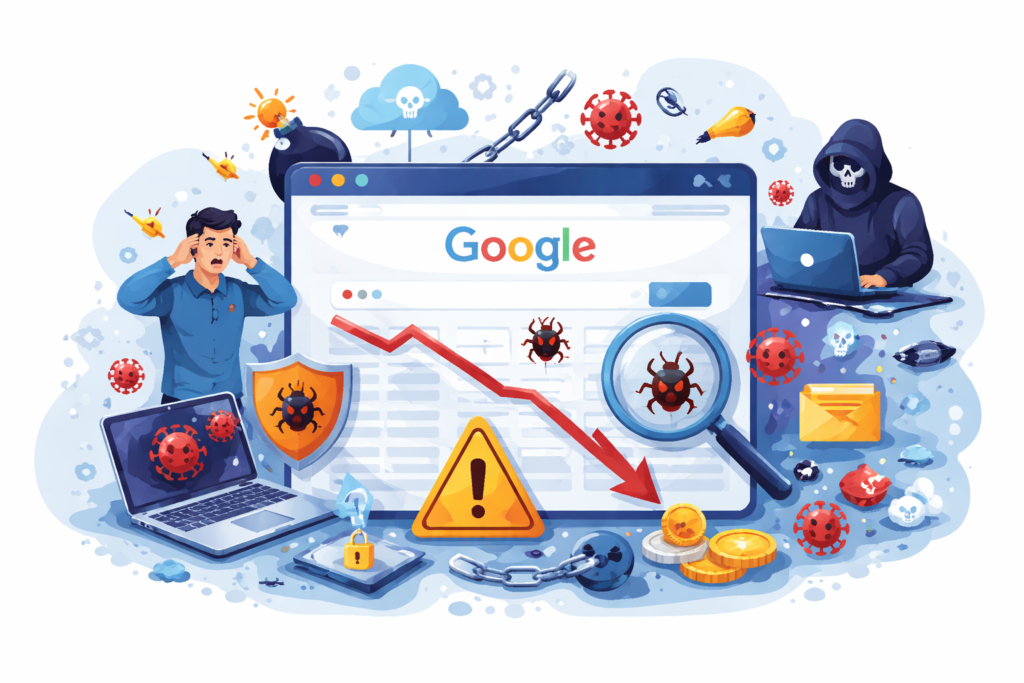
Malware directly impacts how Google evaluates a website’s quality and safety. When malware is detected, Google may display security warnings through Safe Browsing, discouraging users from visiting the site.
According to the Search Quality Evaluator Guidelines, pages that put users at risk fall under Lowest Quality Pages, regardless of content quality. This means even well-written pages can lose rankings if malware is present.
Malware can also:
- Block search engine crawlers
- Inject spammy outbound links
- Redirect users to malicious domains
Subscription malware removal ensures threats are eliminated before Google flags them, preserving both rankings and reputation.
Continuous Monitoring vs Reactive Malware Cleanup
Reactive malware cleanup occurs after damage is done. Continuous monitoring prevents damage from happening at all.
Google’s systems prioritize websites that deliver a safe search experience. Ongoing malware monitoring supports a healthy page experience by ensuring pages load securely without malicious scripts or redirects.
Subscription services detect:
- Unauthorized file changes
- Suspicious database injections
- Server-level exploits
This proactive approach significantly reduces downtime, ranking loss, and user abandonment.
Malware Removal Subscription and E-E-A-T Signals
Security is directly connected to trust, which is a core component of E-E-A-T.
Websites that demonstrate:
- Ongoing maintenance
- Proactive threat prevention
- User safety responsibility
are more likely to meet Google’s expectations for trustworthiness, especially in security-related topics.
A malware-free website shows experience and professionalism, reinforcing credibility with both users and search engines.
How Subscription Services Prevent Google Blacklisting
Once a website is blacklisted, recovery can be slow and damaging. Subscription-based malware removal helps prevent blacklisting by identifying threats early.
Google’s Safe Browsing systems automatically flag infected sites. Continuous scanning and instant remediation ensure malware is removed before these systems trigger warnings.
Avoiding blacklists protects:
- Organic traffic
- Brand credibility
- Conversion rates
Subscription services act as an early warning system, keeping websites compliant with Google’s safety standards.
SEO Stability Through Ongoing Malware Protection
SEO stability depends on consistency. Malware introduces instability by disrupting indexing, crawling, and user trust.
Google’s ranking systems favor websites that maintain reliability and safety over time. Subscription malware removal supports this by ensuring:
- Clean HTML output
- Secure server responses
- No injected spam content
This stability helps preserve rankings even during algorithm updates.
Role of Malware Removal in Protecting User Data
User data protection is one of the most critical responsibilities of any website. Malware often targets login credentials, payment data, and personal information, which directly violates user trust. Google emphasizes that websites exposing users to risk fail to meet quality expectations outlined in Search Quality Evaluator Guidelines.
A Malware Removal Subscription Service actively scans for keyloggers, credential-stealing scripts, and unauthorized database access. Continuous protection ensures that sensitive information is not silently compromised over time.
From a trust perspective, protecting user data reinforces trustworthiness, a core pillar of E-E-A-T. Secure websites experience higher engagement, lower bounce rates, and better long-term SEO performance.
How Subscription Malware Removal Supports Crawlability
Malware frequently interferes with how search engines crawl a website. Infected pages may return altered responses, malicious redirects, or blocked resources that prevent proper indexing.
Google’s crawling systems are designed to avoid unsafe content. Websites flagged for malicious behavior may experience reduced crawl frequency or partial indexing.
Subscription-based malware removal ensures:
- Clean server responses
- Stable crawl paths
- Consistent indexing
Maintaining crawlability protects SEO investments and ensures content remains discoverable.
Subscription Services and Website Performance Stability

Website performance is closely tied to security. Malware often injects hidden scripts, redirects, and unauthorized processes that consume server resources and slow down page loading. This directly affects page experience, which Google uses to evaluate how users interact with a website.
A Malware Removal Subscription Service continuously monitors file integrity and server behavior to identify performance-degrading threats early. Unlike reactive cleanup, subscription services remove malicious code before it impacts load speed, uptime, or responsiveness. Google clearly states that websites delivering unsafe or disruptive experiences may lose visibility due to reduced user trust.
Performance stability also influences crawl efficiency. When malware causes timeouts or erratic responses, Googlebot may reduce crawl frequency. Ongoing malware protection ensures consistent server responses, helping search engines crawl and index content efficiently.
Additionally, secure websites experience lower bounce rates and higher engagement, reinforcing positive behavioral signals. By preventing malicious injections and unauthorized scripts, subscription-based malware removal helps maintain a fast, stable, and secure environment that aligns with Google best practices and long-term SEO success.
Malware Subscription Services and Recovery from SEO Spam
SEO spam is one of the most damaging forms of malware. It injects spammy pages, links, and keywords that destroy site reputation and rankings.
Google clearly identifies hacked sites that distribute spam as serious quality violations. Subscription services detect and remove SEO spam before it spreads across indexed pages.
Continuous scanning ensures:
- Spam pages are removed immediately
- Hidden links are eliminated
- Search visibility is preserved
This proactive approach protects both brand integrity and organic traffic.
Long-Term Website Trust Through Continuous Security
Trust is one of the most important signals Google evaluates when ranking websites, especially in security-related and YMYL topics. Malware incidents damage credibility instantly and can take months to recover from. According to the Search Quality Evaluator Guidelines, websites that expose users to risk are considered low quality regardless of content depth.
A Malware Removal Subscription Service builds trust by preventing repeated infections and maintaining a clean security history. Continuous protection ensures users never encounter warning pages, malicious redirects, or compromised forms.
From an SEO perspective, trust is closely connected to E-E-A-T. Secure websites demonstrate responsibility, experience, and reliability—qualities Google expects from authoritative sources. Long-term security also protects brand reputation, ensuring visitors feel confident interacting with the site.
By maintaining uninterrupted safety, subscription malware removal helps websites earn and preserve trust over time, which is critical for sustained rankings and user loyalty.
How Malware Protection Aligns with Google Search Experience Goals
Google’s primary mission is to deliver safe and reliable results. Websites that compromise user safety undermine this mission. Pages affected by malicious behavior are actively restricted to protect users from harm.
Subscription-based malware removal aligns directly with Google’s search experience goals by preventing threats before they impact visitors. Continuous scanning ensures that infected files, malicious redirects, and injected spam are eliminated early.
Websites that remain secure avoid Safe Browsing warnings, browser alerts, and ranking suppression. This allows Google to confidently present the site in search results without risking user safety.
From a quality standpoint, secure websites contribute to a positive search ecosystem. Google rewards consistency, safety, and reliability—all of which are supported by ongoing malware protection. Aligning with these goals strengthens long-term visibility and ranking stability.
Why Subscription-Based Malware Removal Is a Business Investment
Malware incidents are costly. Downtime, traffic loss, reputation damage, and emergency cleanup expenses quickly exceed the cost of prevention. A Malware Removal Subscription Service is not an expense—it is a strategic investment.
Google discourages unsafe websites because they harm users and advertisers. Sites flagged as hacked sites often experience revenue loss due to traffic decline and trust erosion.
Subscription services reduce financial risk by offering predictable protection, immediate response, and continuous monitoring. This minimizes recovery costs and prevents recurring damage. Businesses benefit from stable operations, consistent rankings, and uninterrupted customer access.
From an ROI perspective, preventing a single major infection often offsets the cost of a full year of subscription protection.
Choosing the Right Malware Removal Subscription Service

Selecting the right Malware Removal Subscription Service requires evaluating quality, transparency, and alignment with search engine standards. Not all services follow Google best practices, and improper cleanup can cause further SEO damage.
A reliable service should include:
- Continuous malware scanning
- Immediate threat removal
- Backdoor detection
- Blacklist monitoring
Google emphasizes that incomplete cleanup may leave websites vulnerable to reinfection and continued penalties. Professional services follow documented security guidelines and ensure compliance with search quality expectations.
Choosing the right provider protects not only your website but also its long-term search visibility, trust signals, and user safety. Security decisions should always prioritize quality over shortcuts.
Common Mistakes Website Owners Make
One of the most common mistakes website owners make is relying on one-time malware cleanup instead of ongoing protection. While a single cleanup may remove visible infections, it often leaves hidden backdoors and unresolved vulnerabilities. Google clearly states that websites showing repeated malicious behavior fail to meet quality and safety expectations, which can lead to long-term ranking damage.
Another major mistake is ignoring Google Safe Browsing warnings. Many site owners remove malware but do not properly request a review through Safe Browsing systems. As a result, browser warnings remain active even after cleanup, causing traffic loss and reduced user trust.
Failing to address SEO spam injections is also a critical issue. Malware often creates hidden spam pages or injected links that harm site reputation. Google categorizes such websites as hacked sites, which may experience partial deindexing if the issue is not fully resolved.
Some website owners attempt cleanup using outdated or unverified tools. Incomplete remediation increases reinfection risk and violates Google best practices for site security. Google emphasizes that insecure websites negatively affect page experience and user safety.
Finally, ignoring trust signals is a costly mistake. According to the Search Quality Evaluator Guidelines, websites that expose users to harm are rated as low quality regardless of content value. Without continuous protection, websites struggle to demonstrate E-E-A-T and long-term reliability.
Avoiding these mistakes by using a Malware Removal Subscription Service ensures ongoing security, SEO stability, and compliance with Google’s quality standards.
FAQs
1. What is a Malware Removal Subscription Service?
It provides continuous malware detection, removal, and prevention.
2. Is malware removal important for SEO?
Yes, malware directly affects rankings and trust.
3. Can malware cause Google deindexing?
Yes, infected sites may be removed temporarily.
4. How often should malware scans run?
Continuously or daily at minimum.
5. Does malware affect page experience?
Yes, malicious scripts degrade performance.
6. Can malware return after cleanup?
Yes, without ongoing protection.
7. Is Safe Browsing permanent?
No, warnings are removed after successful cleanup.
8. Does malware impact E-E-A-T?
Yes, security is tied to trustworthiness.
9. Are free security tools enough?
Often no, they lack continuous monitoring.
10. Who should use subscription malware removal?
Any website handling traffic, data, or revenue.
Conclusion
A Malware Removal Subscription Service is no longer optional—it is essential for website security, SEO stability, and user trust. Continuous protection prevents infections, preserves rankings, and aligns websites with Google’s quality and safety expectations.
At FixHackedSite, we believe proactive security is the foundation of long-term digital success. Investing in ongoing malware removal protects your website, your users, and your brand reputation—today and in the future.