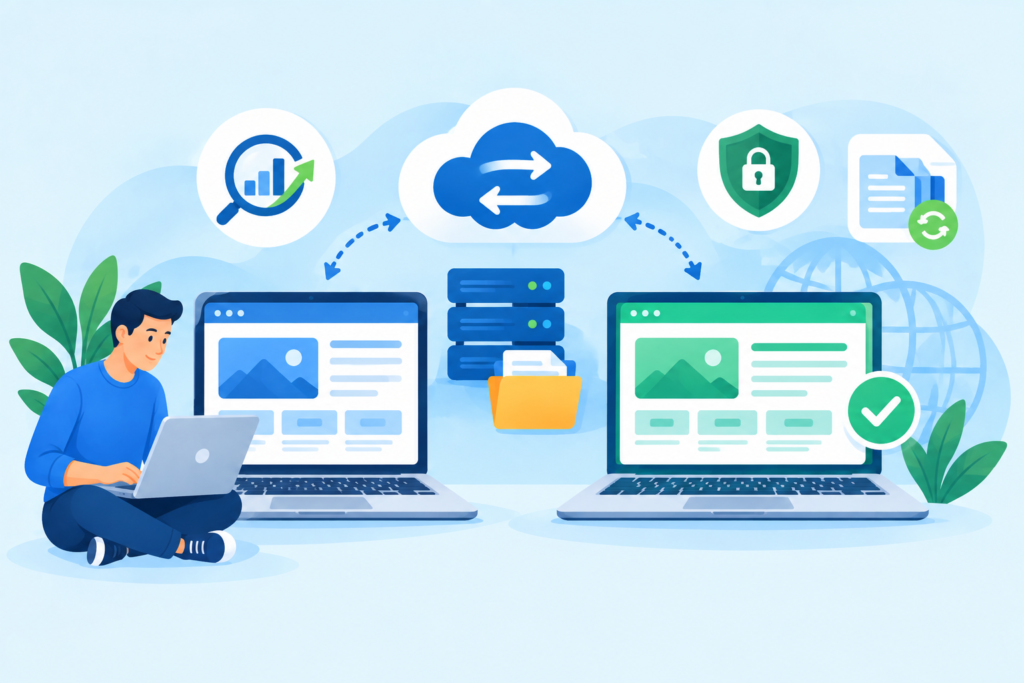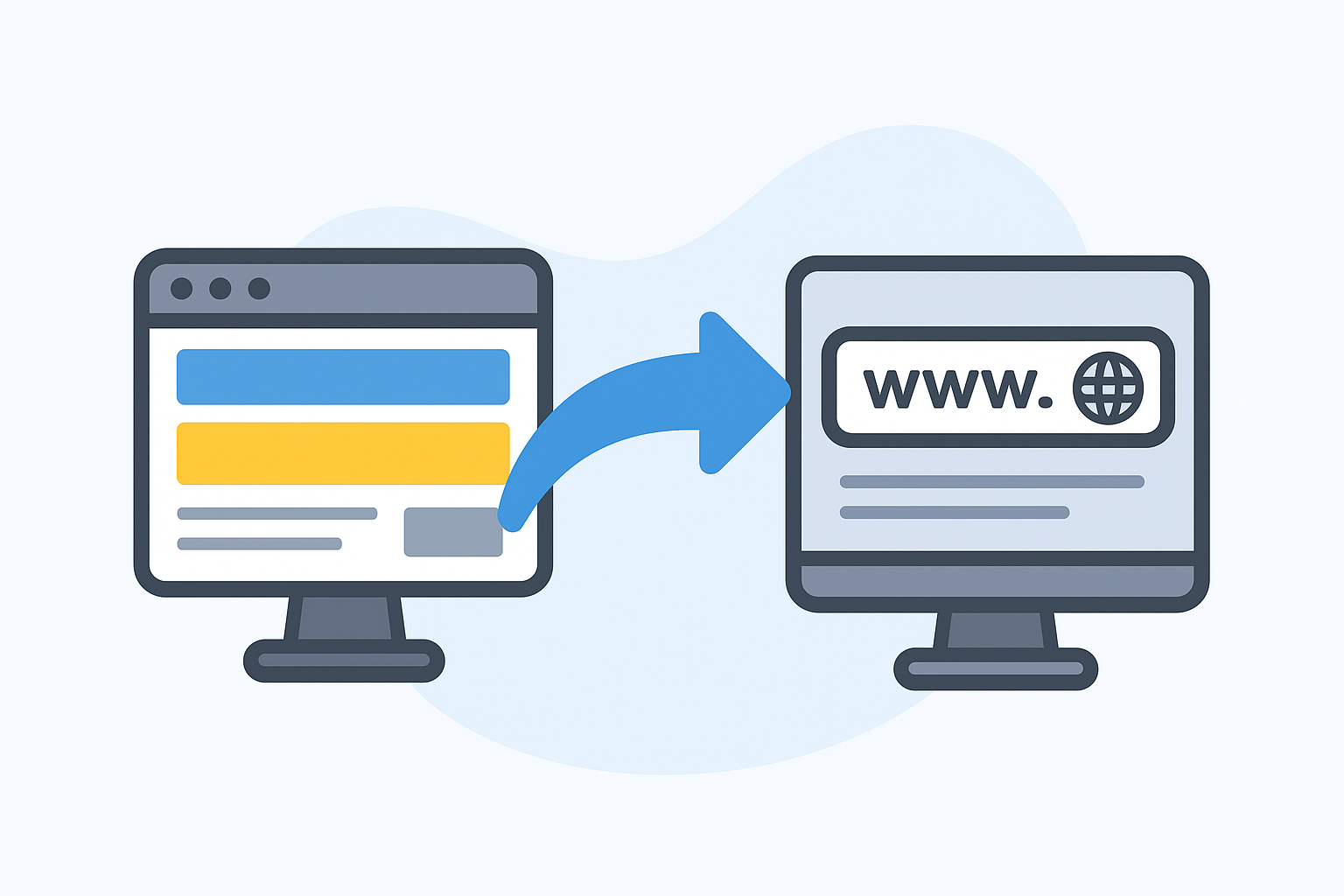
Website and Domain Migration is one of the most crucial steps for businesses and website owners when they decide to rebrand, move to a better hosting provider, change their CMS, or restructure their digital presence. This process can significantly impact SEO rankings, user experience, and overall site performance if not handled properly. Whether you are a small business website, an e-commerce store, or a large-scale enterprise platform, understanding how to migrate a website or domain securely is essential. In this blog post, we will take a detailed look into the challenges, strategies, and benefits of performing a successful migration, ensuring that your online presence remains strong during and after the transition.
Introduction to Website and Domain Migration
When it comes to maintaining a strong digital identity, website and domain migration plays a key role. Businesses often decide to migrate their websites to improve performance, adopt new technologies, or reflect a new brand identity. This transition, however, is not just a simple shift; it involves a highly technical and strategic approach to ensure that the site remains visible to search engines, accessible to users, and secure from vulnerabilities. At FixHackedSite, we understand the complexities involved in this process and the potential risks if migration is not executed correctly.
Migrating a website means transferring content, databases, and functionality from one server or platform to another. Domain migration, on the other hand, usually involves changing the web address of a site while retaining its authority and SEO rankings. These changes, if not carefully planned, can result in traffic loss, broken links, and decreased visibility in search engines. This is why businesses must carefully prepare their migration strategies and work with experts to minimize risks.
Understanding the fundamentals of migration helps business owners make informed decisions. Whether the goal is improved speed, better server reliability, or simply a rebranding effort, the process must be smooth, secure, and strategically aligned with SEO best practices. This sets the stage for a future-proof digital presence that can scale alongside your business goals.
What is Website and Domain Migration?
Website and domain migration refers to the process of moving a website from one environment to another, which may include a change of hosting provider, CMS, or domain name. The goal is to ensure that the site continues to function properly while adapting to the new setup. This process requires more than just transferring files; it demands careful consideration of SEO impact, security measures, and data integrity.
The process can vary depending on the scope of migration. A website migration might simply involve switching hosting providers to improve server performance, while a domain migration could mean moving from an old brand name to a new one. Each type of migration has unique technical and strategic requirements, which must be followed to ensure a seamless transition.
In addition, migration plays a vital role in maintaining brand reputation and online presence. Businesses cannot afford to lose visibility during the migration process. With proper planning and execution, website and domain migration can lead to better search rankings, improved speed, and a stronger digital foundation for long-term growth.
Why Businesses Need Website and Domain Migration
Businesses choose website and domain migration for multiple reasons, ranging from technical upgrades to rebranding strategies. One of the primary reasons is performance enhancement. Websites hosted on outdated servers or platforms may struggle with speed, security, and scalability. Migration allows businesses to shift to better hosting environments and adopt modern technologies.
 Another common reason is rebranding or changing a business identity. When companies evolve, they often change their names, products, or services, requiring a new domain name. Domain migration helps businesses reflect their updated branding while maintaining their digital footprint. This is particularly important for SEO continuity, as search engines must be guided to recognize the new domain without losing authority.
Migration is also essential when consolidating websites. Many businesses operate multiple domains and decide to merge them for better efficiency and brand consistency. Through migration, they can streamline their operations and provide users with a more unified digital experience.
Key Challenges in Website and Domain Migration
Website and domain migration is a complex process that comes with several challenges. One of the biggest concerns is the potential loss of search engine rankings. Search engines rely on domain authority, and without proper redirects, valuable traffic can be lost during migration. Ensuring that redirects are set up correctly is crucial to preserve organic rankings.
Another significant challenge is downtime. Users expect websites to be accessible at all times, and even a short period of downtime can lead to frustrated visitors and lost revenue. Therefore, businesses must carefully plan their migration to minimize disruptions and ensure that the transition is as seamless as possible.
Data integrity is also a major concern. Migrating databases, user accounts, and content requires careful handling to avoid corruption or data loss. Any error during this stage can compromise the functionality of the new website. Security threats, such as vulnerabilities introduced during migration, further add to the complexity of the process.
Preparing for a Website and Domain Migration
Before beginning the migration process, thorough preparation is essential to ensure a successful outcome. This preparation begins with a complete audit of the current website. Businesses must evaluate their existing content, backlinks, SEO performance, and technical setup to understand what needs to be preserved during the transition. An audit allows teams to identify potential issues that might arise during migration and plan ahead to mitigate risks.
Another critical preparation step is developing a detailed migration roadmap. This roadmap should outline every stage of the migration, including backups, redirect mapping, DNS changes, and post-migration testing. By having a structured plan, businesses can avoid confusion and ensure that every step is executed in the right sequence. This level of preparation minimizes downtime, prevents data loss, and helps maintain SEO rankings.
Finally, preparing for migration involves communicating with stakeholders. If the migration involves a business website or e-commerce platform, it is crucial to inform internal teams, customers, and partners about the transition. Transparency builds trust and ensures that users are not caught off guard if they experience temporary disruptions. A well-prepared migration process sets the stage for a smooth transition and long-term success.
The Role of Backups in Migration
One of the most important aspects of any website and domain migration is creating reliable backups. A backup acts as a safety net, ensuring that all website data, files, and databases can be restored if something goes wrong during the migration. Without backups, businesses risk losing valuable content, customer data, and critical functionality.
Backups should include not just website files, but also databases, media assets, and user information. Many businesses use automated backup tools that create multiple copies of data and store them in different locations. This redundancy ensures that, even if one backup fails, another copy is available for recovery. For large-scale websites, incremental backups are particularly useful because they save only the changes made since the last backup, reducing downtime and storage costs.
Additionally, backups provide peace of mind during the migration process. Knowing that a secure copy of the website exists allows developers and IT teams to focus on executing the migration without fear of permanent data loss. Once the migration is complete, businesses can archive their backups as part of long-term data protection strategies.
Choosing the Right Hosting Environment
Selecting the right hosting provider is a critical step in website migration. A high-quality hosting environment ensures that the website runs smoothly, loads quickly, and remains secure after migration. Businesses often migrate websites to hosting providers that offer better performance, scalability, and advanced security features. This decision impacts not only user experience but also search engine rankings.
When choosing a hosting environment, businesses must consider factors such as server speed, uptime guarantees, and support services. A reliable host with 24/7 support can make a significant difference during the migration process, especially if unexpected issues arise. Additionally, the hosting provider should offer features like SSL certificates, automatic backups, and advanced firewalls for added protection.
The scalability of the hosting provider is equally important. As businesses grow, their websites attract more traffic, requiring additional resources. A hosting provider that supports scalability ensures that the website can handle increasing demands without performance issues. Choosing the right host lays the foundation for a seamless migration and a stronger online presence.
Importance of SEO in Migration
SEO plays a pivotal role in website and domain migration. Search engines determine a site’s visibility based on content, backlinks, and domain authority. During migration, any missteps can result in the loss of rankings and organic traffic. This is why businesses must integrate SEO strategies into their migration plans from the very beginning.
One of the most critical SEO considerations is redirect mapping. Setting up proper 301 redirects ensures that users and search engines are automatically directed from old URLs to new ones. This preserves the value of backlinks and prevents users from encountering broken links. Without redirects, businesses risk losing years of SEO progress.
Additionally, businesses must update their XML sitemaps, robots.txt files, and analytics tracking codes after migration. These updates ensure that search engines can crawl and index the new website correctly. Monitoring SEO performance after migration helps businesses quickly identify and resolve any ranking fluctuations. By prioritizing SEO, companies can safeguard their digital visibility during the migration process.
Security Considerations During Migration
Security is a top priority during website and domain migration. The process of transferring data, files, and configurations can expose websites to vulnerabilities if not handled properly. Hackers often target websites during migration because security protocols may be temporarily weakened, making it crucial to implement strict security measures.
One essential security step is using secure file transfer protocols, such as SFTP or HTTPS, to protect data during migration. Encrypting sensitive information ensures that it cannot be intercepted by unauthorized parties. Additionally, businesses should temporarily disable unnecessary services or plugins during migration to reduce potential entry points for attackers.
After migration, it is important to perform a thorough security audit of the new environment. This includes checking for outdated software, weak passwords, and unpatched vulnerabilities. Installing firewalls, SSL certificates, and malware monitoring tools helps strengthen defenses. By prioritizing security at every stage of migration, businesses can protect their websites from cyber threats and safeguard customer trust.
Handling Redirects and URL Structures
Redirects and URL structures are central to a smooth website and domain migration. When a domain or URL changes, it is crucial to inform search engines and users where the new content resides. Redirects prevent broken links, maintain SEO value, and ensure a seamless user experience. Without proper redirects, businesses risk traffic loss and frustrated visitors.
 The most effective way to handle URL changes is through 301 permanent redirects. These redirects tell search engines that the content has permanently moved to a new location, allowing link authority to transfer to the new page. Temporary redirects, on the other hand, are not suitable for migrations because they can confuse search engines and dilute rankings.
Maintaining a consistent URL structure also simplifies migration. Businesses should avoid unnecessary URL changes that could disrupt SEO. By carefully planning redirects and preserving logical URL structures, companies can minimize disruptions and maintain continuity during migration.
The Role of Content in Migration
Content plays a central role in website and domain migration. A website’s content is its most valuable asset, shaping user experience and search engine rankings. During migration, businesses must ensure that all content is transferred accurately and retains its original formatting, media, and links.
Migrating content requires careful planning, especially for large websites with hundreds of pages or e-commerce platforms with extensive product catalogs. Automated migration tools can help, but manual checks are essential to confirm accuracy. Broken images, missing metadata, or corrupted formatting can negatively impact both usability and SEO.
Content optimization is also an opportunity during migration. Businesses can use the process to update outdated articles, improve keyword targeting, and enhance overall readability. By combining content migration with optimization efforts, companies can strengthen their digital presence and deliver more value to users.
Testing the New Environment After Migration
Once the website and domain migration is complete, thorough testing of the new environment becomes absolutely essential. Without testing, businesses risk launching a website that is riddled with broken links, missing data, or security vulnerabilities. The first stage of testing involves checking all core functionalities, including navigation menus, forms, and checkout processes if it is an e-commerce site. These elements must work seamlessly to ensure users do not face interruptions while interacting with the new website.
Performance testing is also crucial during this phase. Website speed, responsiveness, and mobile compatibility should be evaluated carefully. A newly migrated website that loads slowly or fails to render properly on mobile devices will frustrate users and harm search engine rankings. Testing tools such as Google PageSpeed Insights or GTmetrix can provide insights into performance issues and highlight areas for improvement.
Another important aspect of testing is ensuring that analytics, tracking codes, and SEO elements are functioning correctly. Broken tracking codes can prevent businesses from gathering vital data on user behavior, while missing metadata may reduce the website’s visibility in search engines. By performing a comprehensive review of the new environment, businesses can confirm that the migration was successful and the site is ready for public use.
Common Mistakes in Website and Domain Migration
Even with careful planning, many businesses make mistakes during website and domain migration that can negatively impact their online presence. One of the most common mistakes is failing to set up proper redirects. Without redirects, users encounter broken links, while search engines struggle to understand the new structure, resulting in lost traffic and reduced rankings.
Another frequent error is neglecting to update internal links. When a domain changes, internal links pointing to old URLs may no longer function, leading to poor user experience. Similarly, businesses often forget to update sitemaps and robots.txt files, leaving search engines unable to crawl and index the new website properly. These technical oversights can severely damage a site’s visibility.
Lastly, rushing the migration process is a mistake that many companies make. In an attempt to minimize downtime, they skip essential steps like backups, testing, and security audits. While speed is important, cutting corners increases the risk of long-term damage. Avoiding these mistakes requires patience, detailed planning, and strict adherence to best practices.
The Impact of Migration on User Experience
User experience is one of the most critical factors influenced by website and domain migration. A well-executed migration enhances user experience by providing faster load times, smoother navigation, and improved accessibility. On the other hand, a poorly executed migration can frustrate users, leading to higher bounce rates and lower engagement levels.
When migrating, it is vital to ensure that the new environment is optimized for performance. Visitors expect websites to load within seconds, and any delay can cause them to leave and seek alternatives. Mobile responsiveness also plays a key role, as a growing percentage of users access websites through smartphones and tablets. Ensuring that the migrated website is mobile-friendly improves accessibility and engagement.
Moreover, maintaining consistency in branding, layout, and content presentation is essential. If users encounter drastic changes in design or navigation without prior notice, they may feel disconnected from the brand. A successful migration prioritizes user experience by combining technical precision with user-centric design principles.
Monitoring Performance Post-Migration
The migration process does not end once the website is live on its new domain or hosting environment. Continuous monitoring of performance is necessary to ensure that the site functions as expected. This includes monitoring uptime, server response times, and overall site speed. Even minor issues, if left unaddressed, can escalate into major problems that affect both user experience and SEO.
Post-migration monitoring also involves tracking SEO metrics. Businesses should pay close attention to rankings, organic traffic, and crawl errors. Tools like Google Search Console and SEMrush can provide valuable insights into how the migrated website is performing in search engines. Identifying and resolving indexing issues early helps maintain visibility and prevents long-term ranking drops.
In addition, monitoring user behavior through analytics platforms is essential. By tracking bounce rates, session durations, and conversion rates, businesses can measure whether the new environment is meeting user expectations. Continuous performance monitoring ensures that any problems are detected early and resolved quickly, safeguarding the long-term success of the migration.
Long-Term SEO Strategy After Migration
While the immediate goal of migration is to ensure a seamless transition, the long-term objective is to strengthen SEO performance. Businesses must develop a sustainable SEO strategy post-migration to recover any lost visibility and build stronger rankings. This begins with continuously optimizing content, ensuring that it aligns with updated keywords and user intent.
Building backlinks to the new domain is another essential step. Even with proper redirects, search engines need reassurance that the new website is credible and authoritative. Outreach campaigns, guest posts, and partnerships can help rebuild and strengthen the backlink profile over time.
Additionally, businesses must regularly update sitemaps, monitor technical SEO elements, and adapt to evolving search engine algorithms. A proactive approach ensures that the migrated website not only retains its previous performance but also continues to grow in visibility and traffic. Migration should be seen as a stepping stone toward a stronger long-term SEO strategy.
Role of Analytics in Tracking Migration Success
Analytics tools play a crucial role in determining the success of a website and domain migration. Without accurate data, businesses cannot evaluate whether the migration has achieved its objectives. Analytics platforms such as Google Analytics provide insights into traffic sources, user behavior, and conversion rates, helping businesses identify areas of strength and weakness.
 One of the first indicators to track is traffic stability. A sudden drop in traffic post-migration may indicate issues with redirects, indexing, or broken links. Monitoring user engagement metrics, such as time on site and pages per session, can also reveal whether users are finding the new website easy to navigate.
Analytics also helps measure the effectiveness of SEO strategies implemented during migration. By comparing rankings, organic traffic, and keyword performance before and after migration, businesses can assess whether their SEO efforts are paying off. Reliable analytics data enables decision-makers to refine strategies and ensure long-term success.
Case Studies of Successful Migrations
Looking at case studies of successful website and domain migrations provides valuable lessons for businesses planning their own transitions. For example, many e-commerce platforms have successfully migrated to faster, more secure hosting environments without losing traffic or rankings. Their success was largely due to careful planning, robust SEO strategies, and detailed testing before launch.
Another case study involves businesses rebranding with new domain names. By setting up proper redirects, updating backlinks, and optimizing content, these companies maintained their digital authority while aligning their websites with their new brand identities. Their results highlight the importance of executing migration steps with precision.
These case studies show that migration does not have to be a disruptive process. With the right strategies, businesses can not only preserve their online presence but also enhance it. Learning from real-world examples gives companies the confidence to approach migration as an opportunity for growth rather than a risk.
Conclusion: Building a Stronger Future with Migration
Website and domain migration is more than just a technical process; it is a strategic move that can shape the future of a business’s digital presence. From preserving SEO rankings to enhancing user experience and strengthening security, a successful migration lays the foundation for long-term growth. The key is meticulous planning, thorough testing, and continuous monitoring.
At FixHackedSite, we understand how vital this process is for businesses that want to thrive in an increasingly digital world. A poorly executed migration can result in lost traffic, broken links, and weakened security, but with expert guidance, these challenges can be overcome. The goal is not only to move a website but to improve its performance, security, and accessibility.
Ultimately, migration should be seen as a chance to refresh and strengthen your online identity. Whether you are rebranding, upgrading technology, or consolidating multiple sites, the process offers opportunities for innovation and growth. With the right strategies, website and domain migration can become a stepping stone toward a stronger, more secure, and more successful digital future.